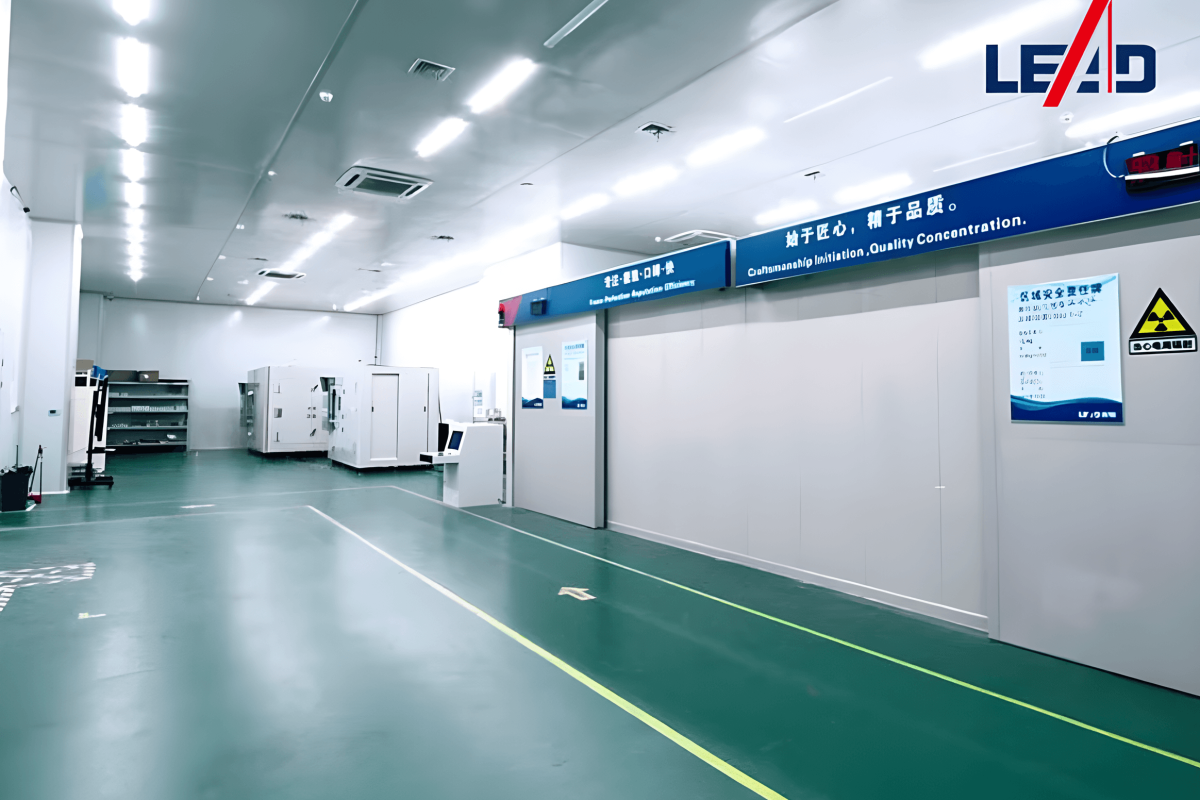
LEAD, a manufacturer of photovoltaic (PV) and battery production equipment, has commissioned a non-destructive testing (NDT) laboratory and launched inspection and validation services for the new energy, high-end 3C electronics and advanced manufacturing sectors.
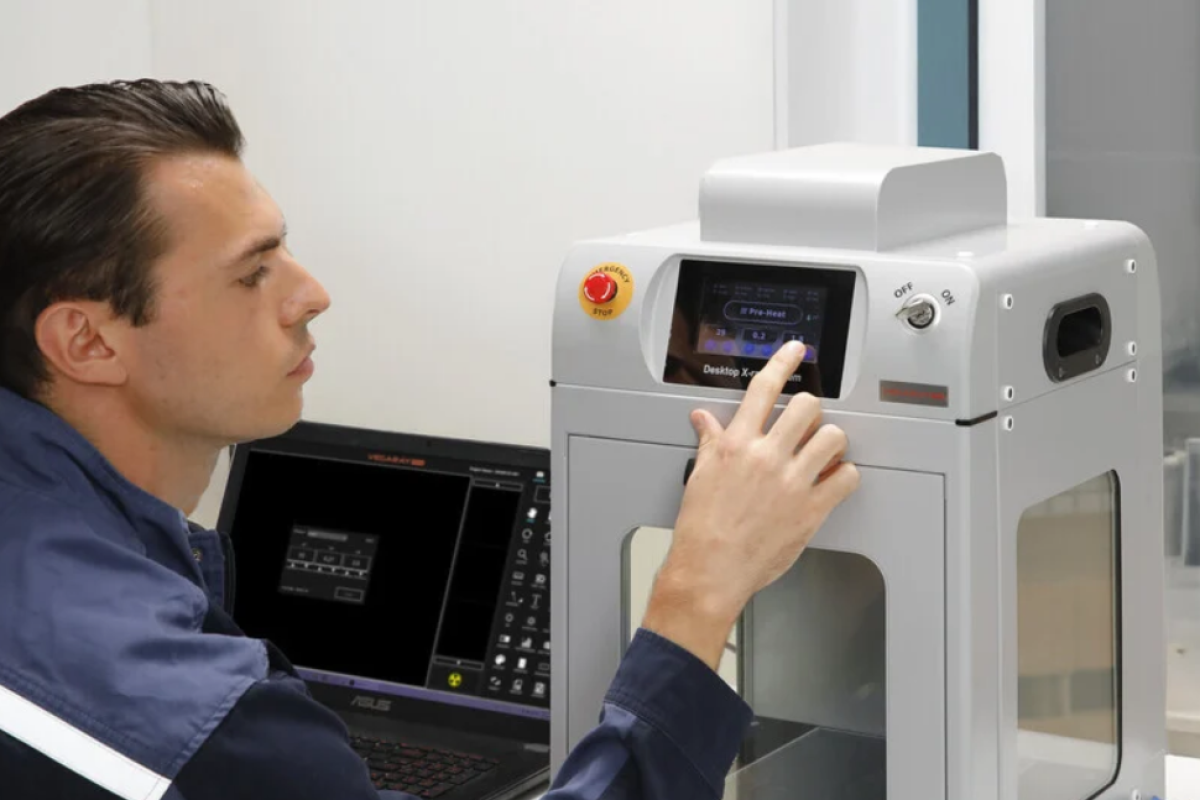
The laboratory spans more than 2,000 square metres, with a 240-square-metre testing area established in the first phase. Equipped with multiple computed tomography (CT) systems offering image resolutions of up to 1 µm, the facility is designed to support detailed internal inspection of components used in energy and advanced manufacturing applications.
CT Inspection for Batteries and Photovoltaic Components
The laboratory's capabilities include defect inspection of power batteries, photovoltaic modules and key components used in green-hydrogen electrolyzers. CT imaging enables internal structures to be examined without cutting or otherwise damaging the components, supporting quality assessment and defect identification.
The facility's high-resolution imaging systems are intended to help manufacturers investigate internal defects and evaluate component quality. These capabilities are relevant to battery production and PV manufacturing, where internal structural issues can affect product performance and reliability.
Battery Defect Database Supports Inspection Services
LEAD said its lithium battery defect database contains more than three million samples. The database supports the company's inspection capabilities by providing a resource for examining and classifying battery defects.
According to the company, routine X-ray inspection reports can be delivered within three to four days, while high-resolution CT scans typically require seven days. These timelines provide manufacturers with defined turnaround expectations for inspection and validation work.
Developing NDT Technologies for Emerging Applications
LEAD has also begun developing next-generation non-destructive testing technologies for emerging applications, including solid-state batteries and perovskite photovoltaic cells.
As battery and solar technologies evolve, inspection methods capable of identifying internal defects without damaging components are increasingly relevant to manufacturing quality control and product validation. The new laboratory expands LEAD's inspection service offering across established and developing energy technologies, alongside high-end electronics and advanced manufacturing.
Reference: https://taiyangnews.info/markets/china-solar-pv-news-snippets-october-27-2026