
Eskom has confirmed that no radiation leak occurred at Koeberg Nuclear Power Station's Unit 2 during scheduled maintenance, reassuring the public that there was no impact on employees, surrounding communities, or the environment.
The utility stated that the incident, which occurred during routine Eddy Current Testing (ECT) inspections of the steam generators, has been classified as Level 0 (No Safety Significance) on the International Nuclear and Radiological Event Scale (INES), the lowest possible rating. Eskom also notified the National Nuclear Regulator (NNR) in accordance with regulatory requirements.
According to the utility, Unit 2 has been on a planned outage since April 2026, while Koeberg Unit 1 continues normal operations. Eskom emphasized that at no point was radioactive material released beyond the plant's containment structures, and no iodine tablets were required for employees because there was no radiation exposure affecting personnel.
The incident occurred on 2 July and 7 July 2026, when highly sensitive radiation monitoring systems detected two brief and localized airborne radioactivity events inside a controlled work area within the containment building. Eskom said the detections remained confined to the designated inspection zone and were managed in accordance with established radiation protection procedures.
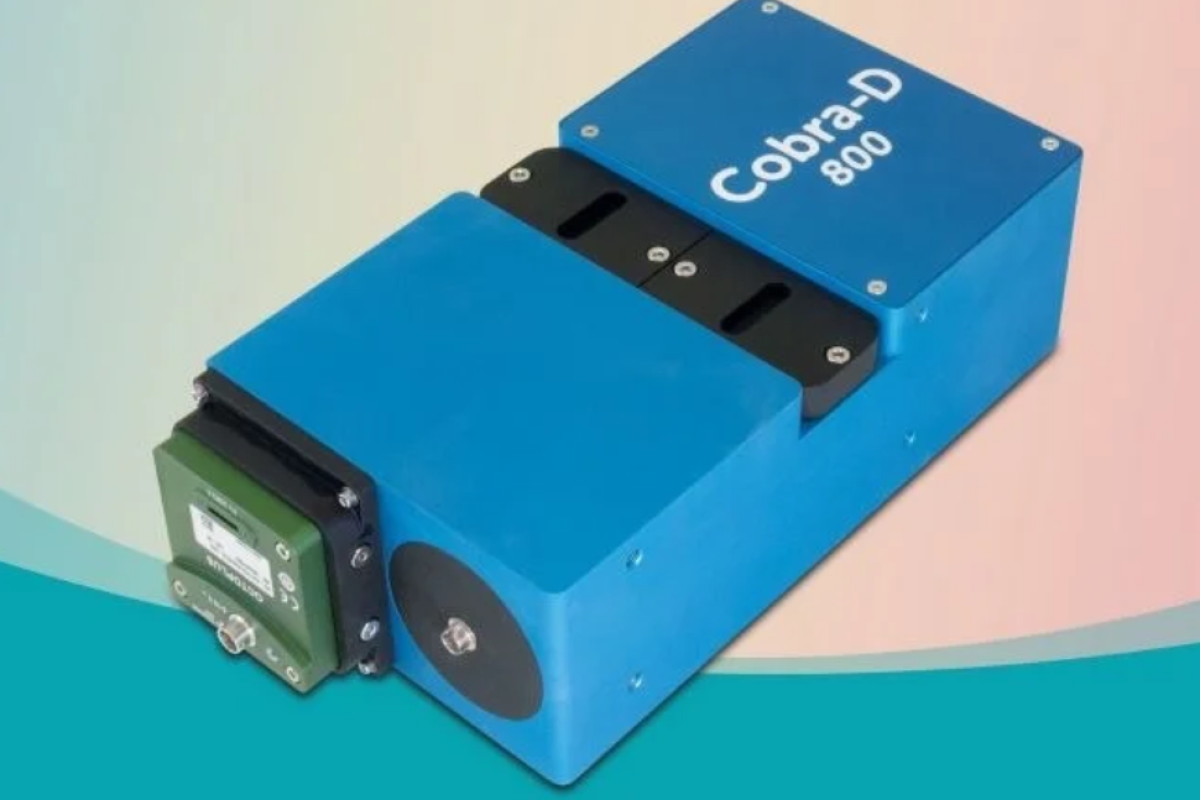
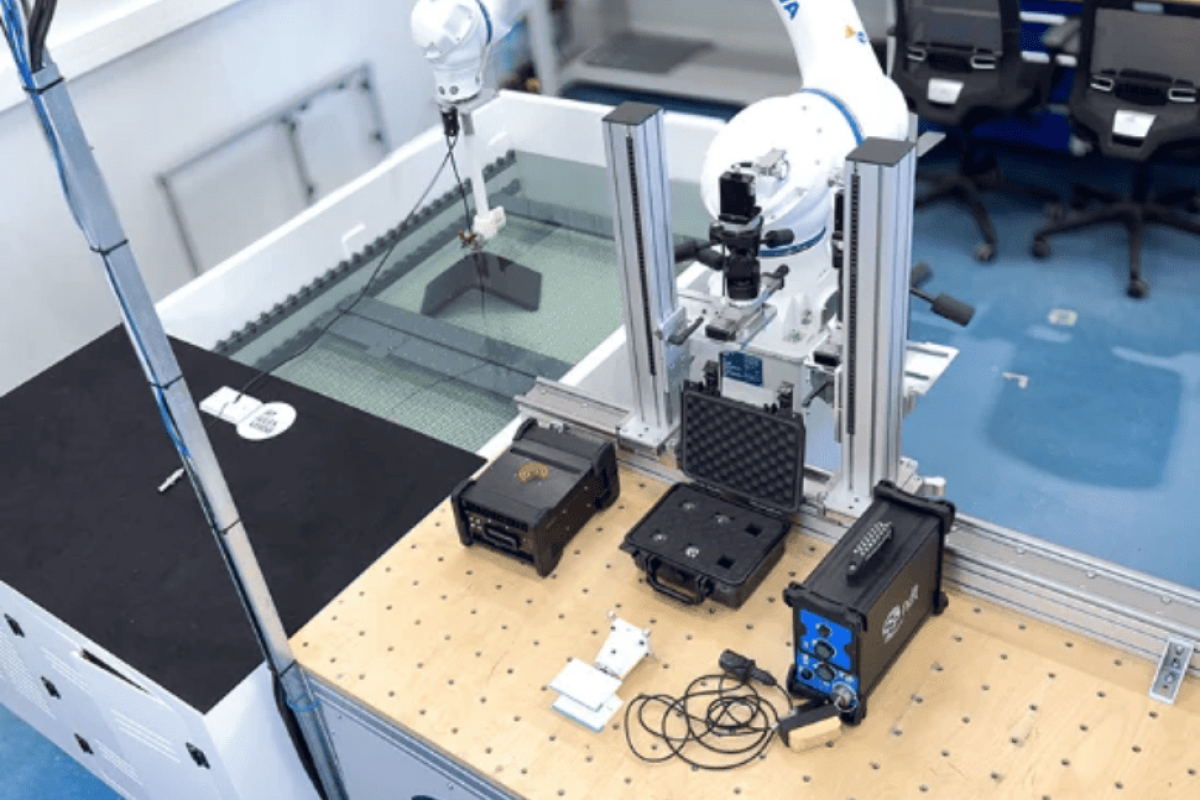
The events took place during Eddy Current Testing (ECT), a globally recognized non-destructive testing (NDT) method used to assess the condition and wall thickness of steam generator tubes. The inspection technique plays a critical role in verifying the integrity of the barrier separating the reactor coolant system from the secondary steam system by identifying early signs of tube degradation.
Eskom explained that the robotic inspection probes moving through the steam generator tubes disturbed a very small quantity of microscopic oxide particles, commonly referred to in the nuclear industry as "crud," causing them to become airborne within the enclosed inspection area. The utility noted that such localized particulate events are a recognized occurrence during steam generator inspections at pressurized water reactors worldwide.
The affected work area was protected by multiple engineered safety measures, including physical containment barriers, high-efficiency particulate air (HEPA) filtered ventilation operating under negative pressure, continuous airborne radiation monitoring, and personnel protection programmes.
When the radiation monitoring equipment detected elevated airborne activity, the system automatically triggered an alarm. Inspection activities were immediately suspended, the work area was secured, ventilation and filtration systems removed the airborne particles, and radiological assessments were completed before maintenance resumed.
Eskom said these procedures successfully contained the airborne material within the designated work area and restored normal operating conditions without affecting nuclear safety, maintenance activities, or the planned completion of Unit 2's scheduled outage, which remains on track for November 2026.
The utility added that monitoring results confirmed there was no release of radioactive material into the environment, demonstrating the effectiveness of Koeberg's defence-in-depth safety systems, including monitoring, containment, and radiation protection measures.
Employees involved in the maintenance activities were provided with a full safety debriefing following the incident. Eskom reaffirmed its commitment to maintaining the highest standards of nuclear safety, regulatory compliance, and operational transparency at Koeberg Nuclear Power Station.
Reference: https://www.eskom.co.za/safety-systems-operated-as-designed-during-koeberg-unit-2-outage-event-classified-as-level-0-no-safety-significance-on-the-international-nuclear-and-radiological-event-scale-ines/