The Caribbean Maritime University (CMU) has established a Non-Destructive Testing (NDT) Laboratory aimed at supporting structural safety and long-term resilience against future environmental impacts in Jamaica.
The specialized facility has been developed in response to the need to assess hidden damage to infrastructure following natural disasters, including the catastrophic Hurricane Melissa. The laboratory will provide non-destructive examination capabilities that allow materials, components and structures to be evaluated for defects or flaws without damaging the items being tested.
NDT Laboratory to Support Infrastructure Assessment
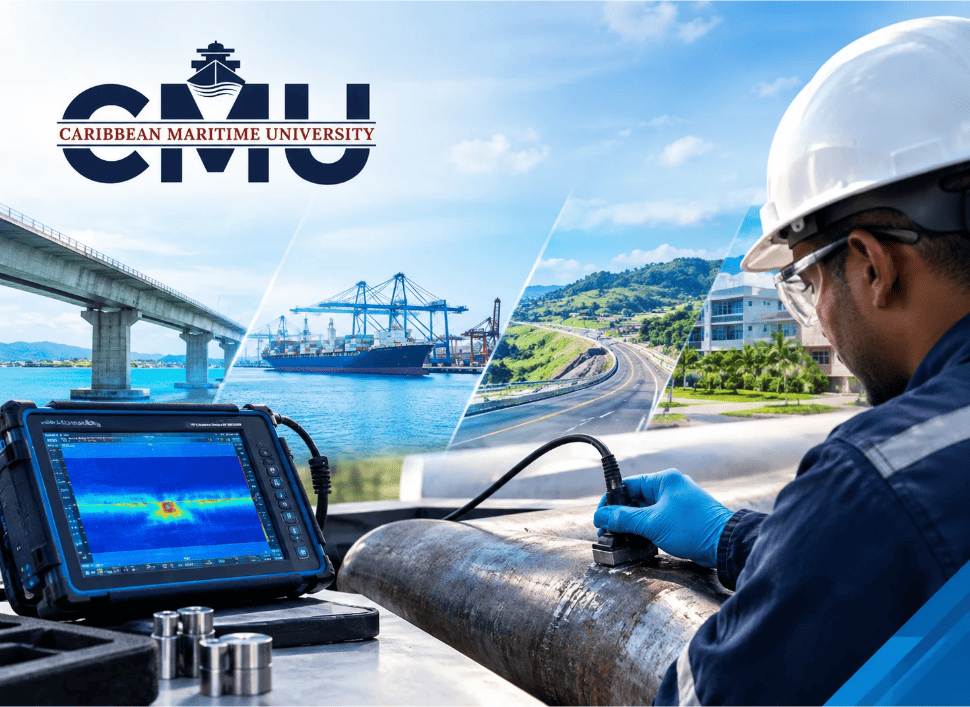
The new facility is designed to extend NDT capabilities beyond the maritime sector. According to CMU President Dr. Andrew Spencer, the laboratory will support material testing for buildings, bridges, roads and ports, in addition to its applications in the shipping sector.
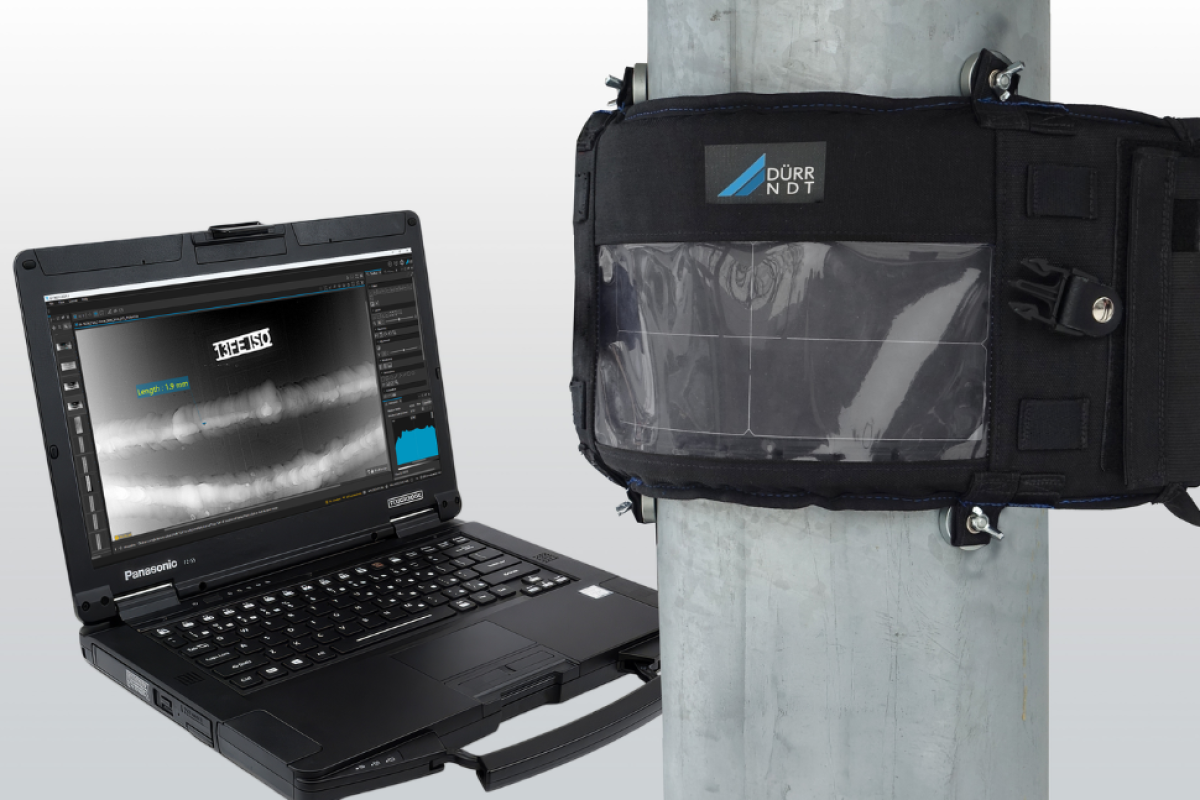
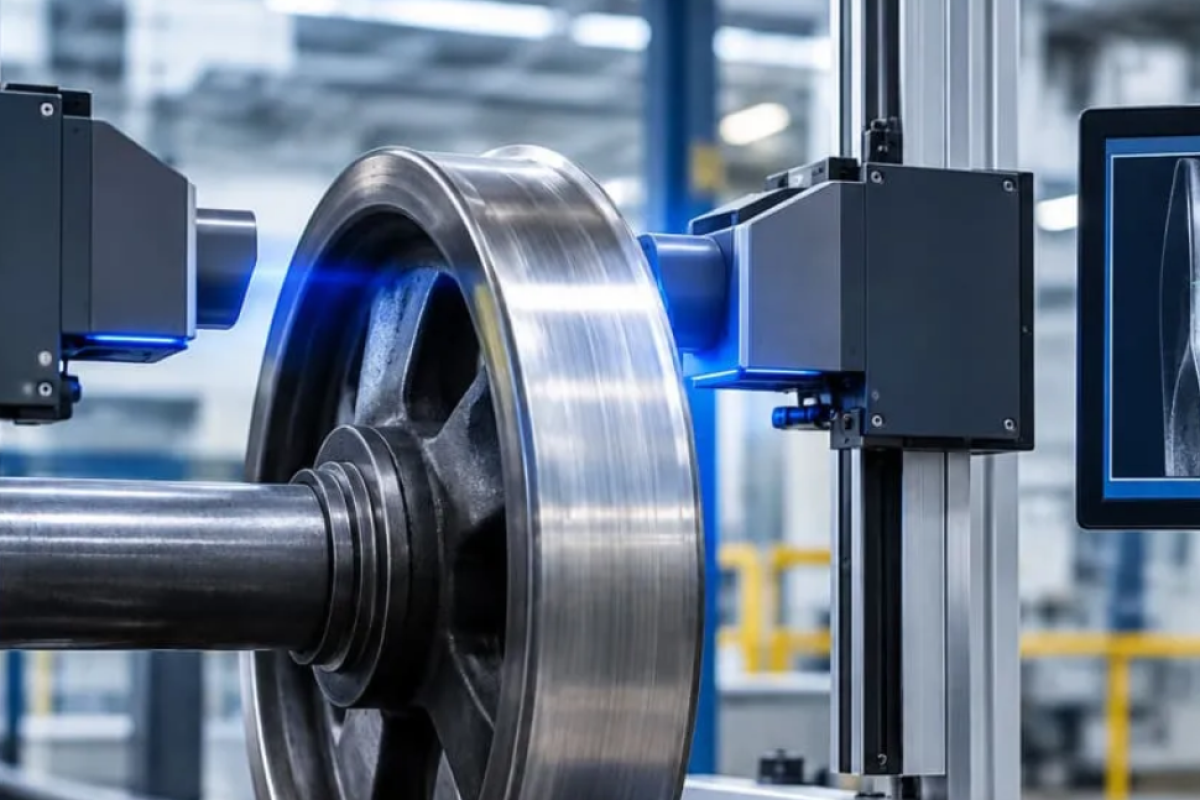
NDT techniques allow the integrity of materials and structures to be assessed while preserving their functionality. This makes the laboratory relevant to infrastructure inspection where identifying hidden defects or damage is required without altering the condition of the asset.
IAEA Supports Development of NDT Facility
The laboratory has been funded by the International Atomic Energy Agency (IAEA), a United Nations body that supports countries in the use of X-rays and other radiation technologies.
The funding was provided through the agency's office at the Planning Institute of Jamaica.
With the establishment of the NDT Laboratory, CMU is expanding its testing capabilities to address structural assessment requirements across multiple infrastructure sectors in Jamaica.