Hamburg-based technology company MuRay has raised €7 million (approximately US$7.8 million) to commercialise its muon-beam imaging technology, which is designed to inspect the interiors of dense industrial components using non-destructive testing (NDT).
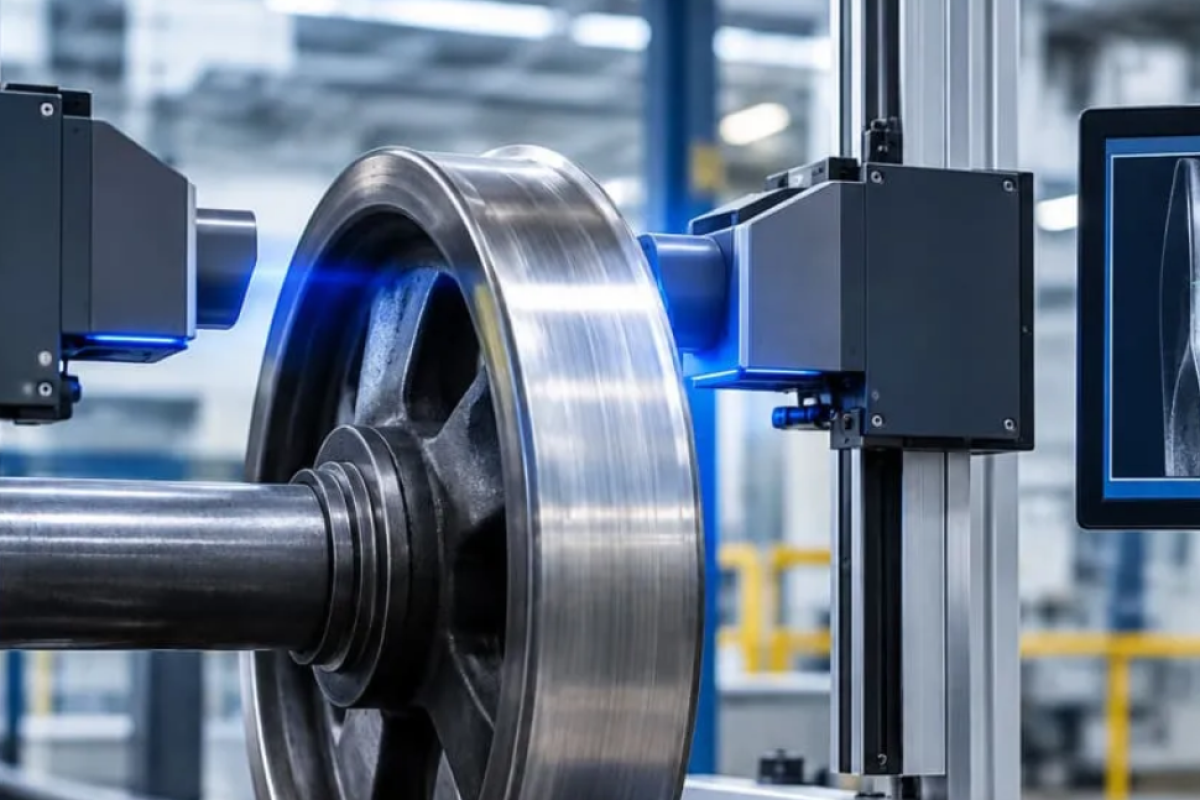
The company’s technology uses a controlled, laser-driven muon beam to generate 3D images of an object's internal structure. Unlike conventional X-ray imaging, which can face limitations when inspecting thick or dense materials, muons can penetrate substantial thicknesses of metals, ceramics and composites while maintaining high imaging resolution.
Muons are subatomic particles similar to electrons but more than 200 times heavier. They occur naturally in the upper atmosphere through cosmic-ray interactions and can also be produced artificially using particle accelerators.
DESY Spinout Secures Funding for Accelerator Development
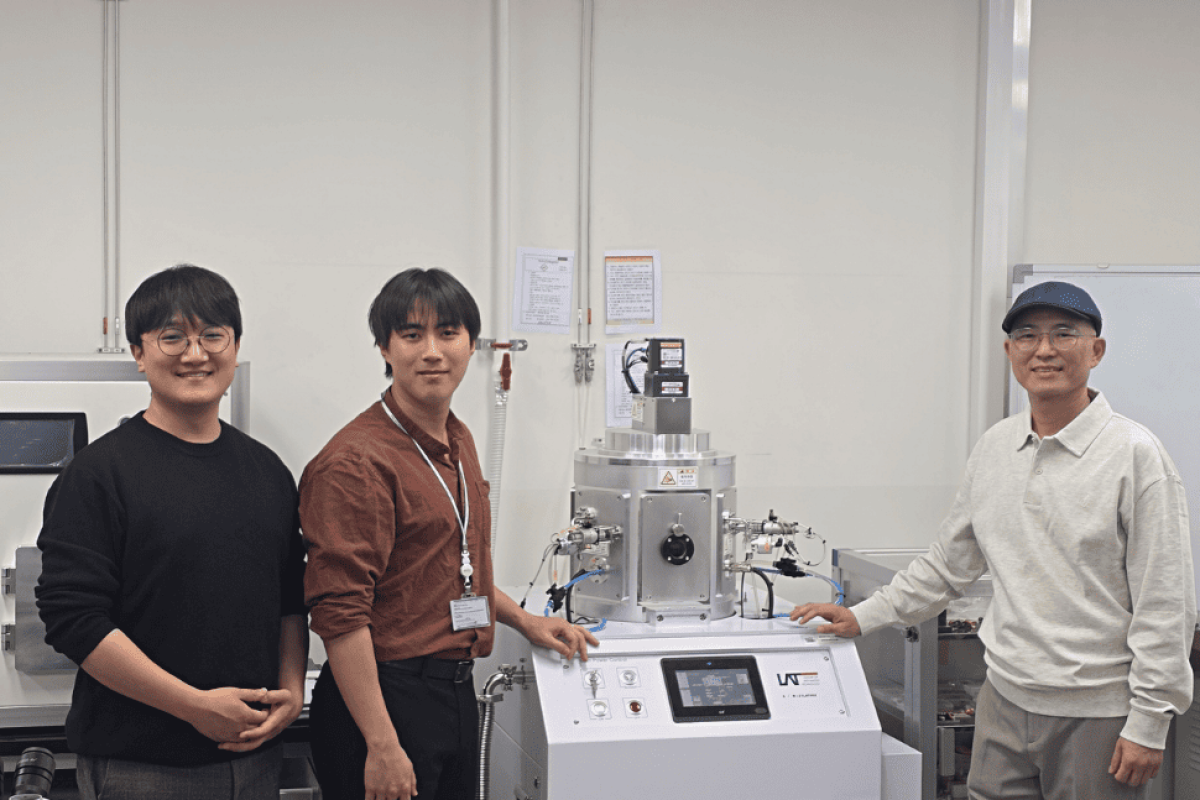
MuRay was spun out of the German accelerator research centre Deutsches Elektronen-Synchrotron (DESY). The newly raised funding will support the development of a portable, laser-based particle accelerator approximately the size of a shipping container.
The company plans to offer non-destructive imaging and inspection services to engineers working in metal additive manufacturing, space, aerospace, defence and energy. Initial services are expected to begin in early 2027.
According to MuRay, its technology can reduce inspection times from hours to minutes, potentially allowing manufacturers to identify internal defects while components are still on the production line. The system is also designed to map material composition alongside density, helping distinguish between materials that may appear similar under conventional X-ray imaging. The company further claims that its approach can achieve these results at a lower radiation dose.
The €7 million funding comprises equal contributions from private and public sources, including a grant from the European Union’s Horizon Europe programme.
MuRay is working with DESY and the German Space Agency at DLR, while also partnering with laser technology company Caelora to develop the system. The company has already modelled the inspection of a rocket engine in collaboration with DLR and plans to conduct its first real-world engine assessment in 2027.
For its first industrial customers, MuRay intends to use DESY’s existing electron beam in Hamburg alongside its own imaging system. It expects to transition to its own full-scale laser-driven accelerator in 2029.
Recruitment and Technology Development
MuRay is recruiting physicists and engineers in Hamburg as it works towards developing the technology. The company aims to increase its workforce to 25 employees by the end of the year.
The development programme includes building a laser-plasma accelerator capable of producing muons on demand, detectors that can measure the particle flux at high speeds, and AI algorithms to reconstruct the resulting images.
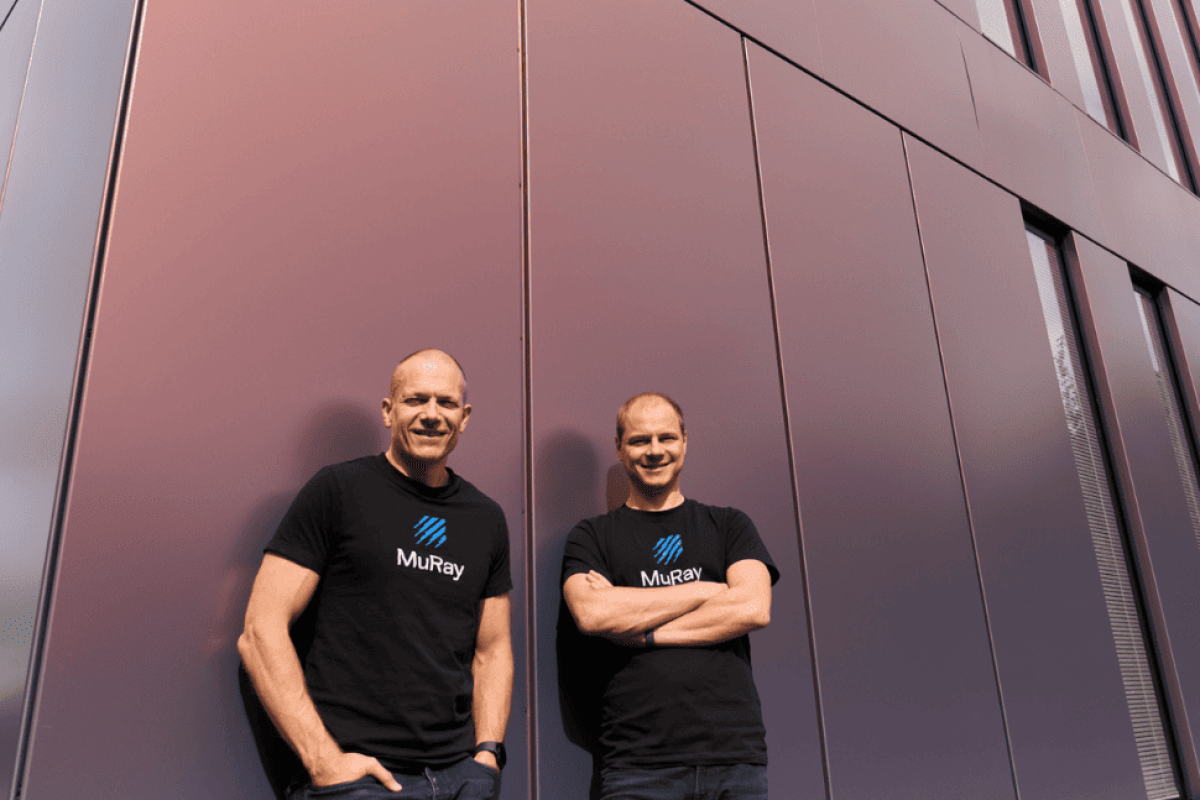
Dr Andi Hektor, co-founder and co-CEO of MuRay, said, “X-rays reach their limit at a few centimetres of steel, yet much of modern industry, from reusable rockets to gas turbines, is built from metal far thicker than that. Active muon imaging lets manufacturers see inside those large, dense components.”
Dr Kristjan Põder, co-founder and co-CEO of MuRay, added, “Defects that manufacturers can’t see keep parts out of service for longer than they should be. Our technology helps them find those defects and get components back into service faster. This funding will help us continue proving the physics whilst delivering our first service to industrial customers.”