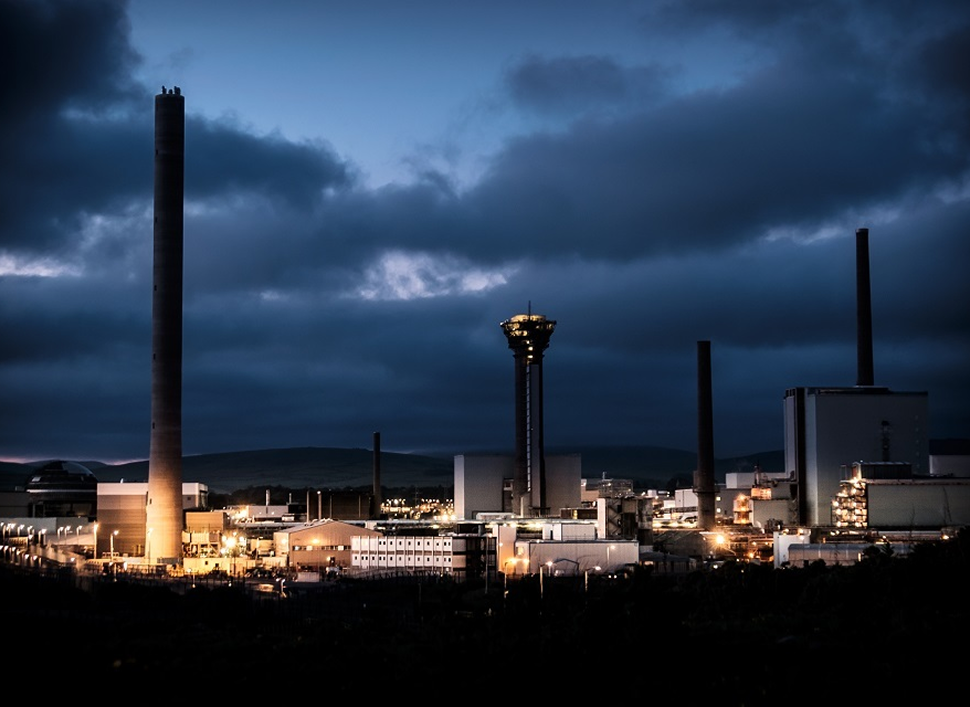
Balfour Beatty Kilpatrick (BBK) is continuing to manufacture high-integrity pipework and ductwork for the UK's Sellafield nuclear site from its Off-Site Solutions facility in Birkenhead, where non-destructive testing (NDT) and stringent quality control play a central role in supporting nuclear infrastructure projects.
The specialist manufacturing facility has produced more than 40 km of pipework and over 7,000 high-specification ductwork components, primarily for Sellafield. Since entering the offsite manufacturing sector 14 years ago and opening the dedicated Birkenhead facility five years ago, BBK has manufactured more than 155,000 welds and is approaching 100 km of offsite-manufactured pipework and ductwork across multiple sectors.
"We are really proud," said Rob Jones, Head of Manufacturing at Balfour Beatty Kilpatrick.
"To date we have delivered over 155,000 welds and are rapidly approaching 100km of pipework and ductwork manufactured offsite across multiple sectors.
"By maximising our offsite manufacturing capability, we can deliver work more efficiently and pass those benefits on to our clients."
According to BBK, more than 99% of welds produced at the facility pass quality control inspections, reflecting the quality standards required for projects in the nuclear sector.
In 2022, the company secured 18-year framework agreements under Sellafield's Programme and Project Partners (PPP) framework to deliver mechanical, HVAC, EC&I, and building services. One of the first projects under the framework is the Product and Residue Store Retreatment Plant (SRP), which is being developed to provide safe storage for special nuclear material for at least 100 years.
BBK expects to complete its three-year manufacturing programme for the SRP project by the end of 2026. The project includes the production of more than 6,000 bespoke ductwork components using up to 200 tonnes of stainless steel.
The manufacturing process begins with automated cutting systems that produce precision holes and flanges before fabrication and welding operations are carried out.
"No two pieces are the same. They are all bespoke," Jones said.
"There are over 6,000 pieces of ductwork and they vary from small to large, including round sections, for this project alone. The largest single piece is three-quarters of a tonne."
The facility currently manufactures approximately 150 metres of pipework each week, although production capacity varies depending on component size and complexity.
"Until recently we were manufacturing up to 1,000 metres of pipework a week," Jones said.
"But production capacity varies depending on the pipe size and complexity."
In addition to pipework and ductwork, BBK has expanded its manufacturing scope by producing approximately 18,000 brackets after responding to customer procurement challenges.
"While brackets are not typically part of our core offering, we pride ourselves on being agile and adapting to client needs," Jones said.
"When the client experienced procurement challenges, we were able to utilise our existing fabrication capability to manufacture approximately 18,000 brackets."
The company has invested more than $1 million in manufacturing equipment at the Birkenhead facility, including a sheet metal laser cutter and seam welding systems to improve production efficiency and quality.
"It takes a lot of time out of the manual process," Jones said.
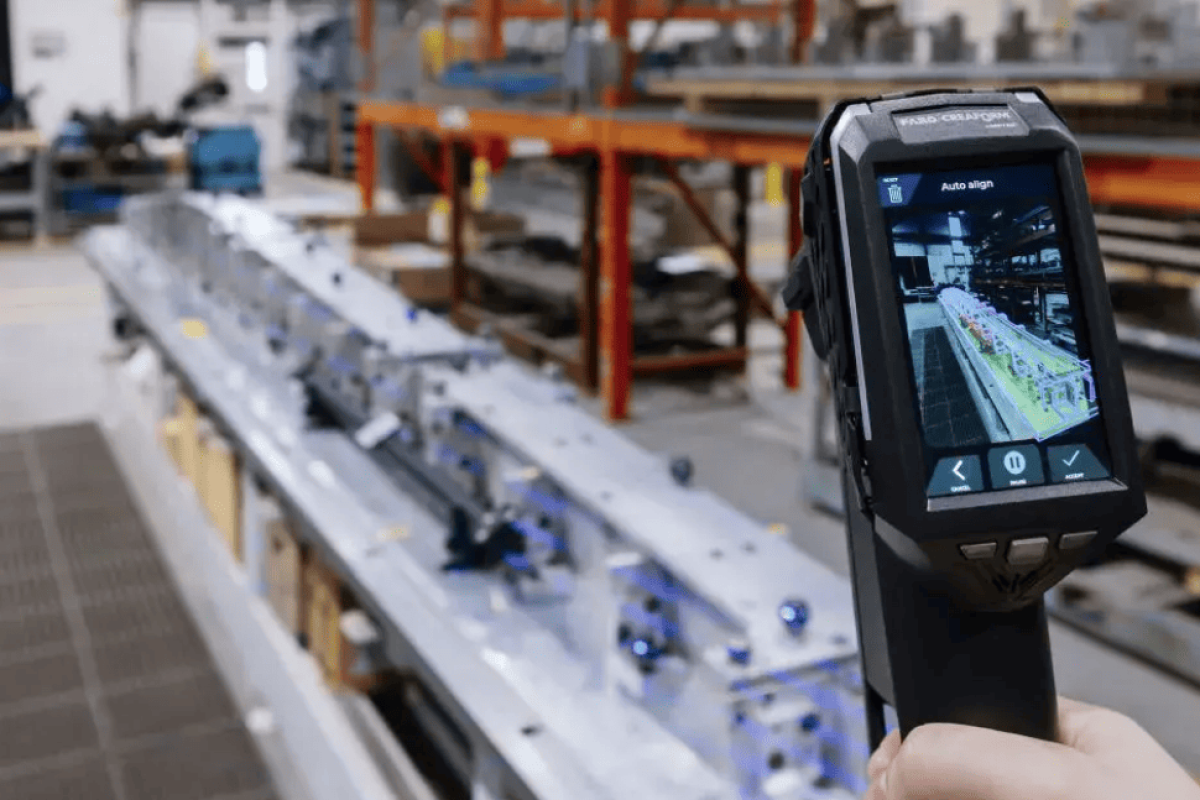
"Each item is dimensionally checked through manufacture in its various components, and the components move in the inspection bay three to four times to confirm they are within tolerance to ensure the product is correct.
"When welding, the heat can warp the metal, and we do not want to finish a product and find out it is not right.
"Every weld must be tested. We also liaise closely with the engineering team to minimise concentrated welding in specific areas and reduce the risk of distortion."
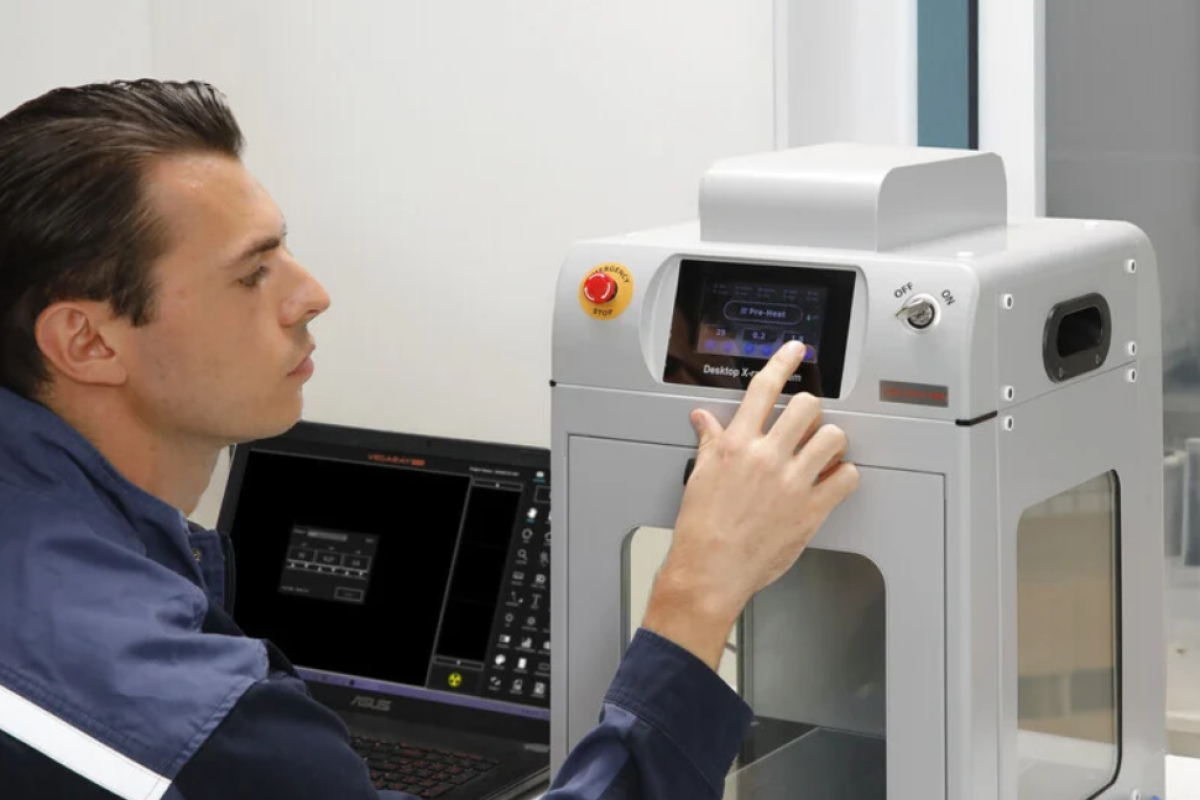
From a non-destructive testing perspective, inspection forms an integral part of the manufacturing process. According to BBK, all welds undergo some form of NDT, while a percentage of pipe welds are also examined using radiographic testing to verify weld integrity before deployment.
"From a testing perspective, all welds will typically undergo some form of non-destructive testing, while a percentage of all pipe welds will also be radiographed to ensure their integrity," Jones said.
To meet the quality and traceability requirements of the nuclear industry, BBK also uses its in-house Ffenics digital tracking system to monitor the manufacture of every pipework and ductwork component throughout the production process.