
A new study set to be published in Communications Engineering presents a breakthrough in sustainable construction materials, combining artificial intelligence with non-destructive testing to enable the manufacture of a carbon-negative biopolymer-bound soil composite. The research, led by Miao, B.H., Dong, Y., Theissler, A., and colleagues, introduces a smart manufacturing approach that could significantly reduce the construction sector’s carbon footprint while improving material reliability and efficiency.
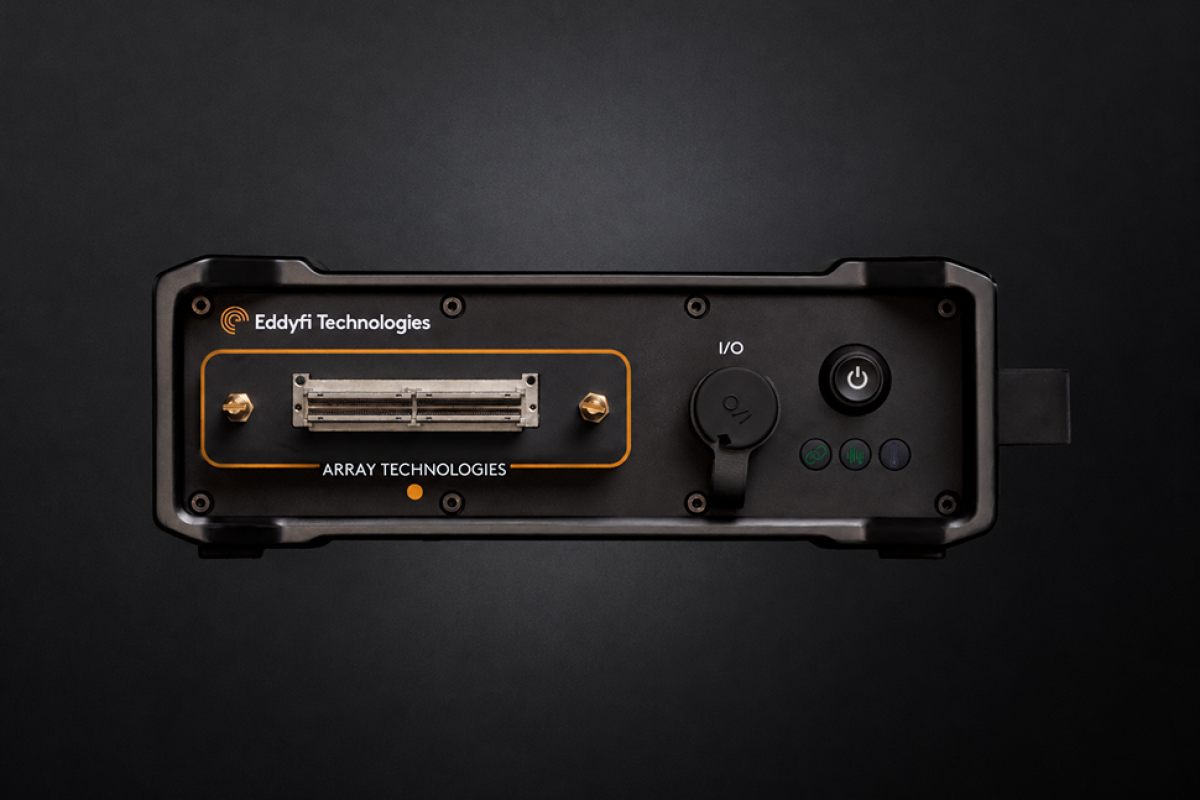
At the core of the research is the integration of AI-powered non-destructive testing (NDT) techniques into the production of biopolymer-bound soil composites. Unlike conventional testing methods that require destructive sampling, the proposed approach uses machine learning algorithms to evaluate microstructural integrity and mechanical performance in real time without damaging the material. This allows continuous quality monitoring throughout the manufacturing process, reducing waste and enabling precise control over material properties.
The biopolymer-bound soil composite represents a major step toward carbon-negative construction materials. Instead of cement, which relies on energy-intensive kilns and fossil fuels, the composite binds soil using naturally derived polymers that can be sustainably sourced and biodegrade at the end of their life cycle. The production process therefore generates significantly lower emissions while maintaining the mechanical strength required for infrastructure applications.
AI-driven NDT methods form the backbone of the system, with machine learning models trained on large datasets of ultrasonic, thermal, and electromagnetic responses. These models accurately predict properties such as strength, elasticity, and porosity, even as soil composition and environmental conditions vary. The system continuously improves through iterative learning, refining its predictive accuracy as more manufacturing and field data are collected.
The research also demonstrates that the composite performs reliably under demanding environmental conditions, including moisture exposure, freeze-thaw cycles, and microbial activity. Field tests showed that the AI-enabled NDT system consistently predicted long-term structural performance, reinforcing its potential for real-world deployment.
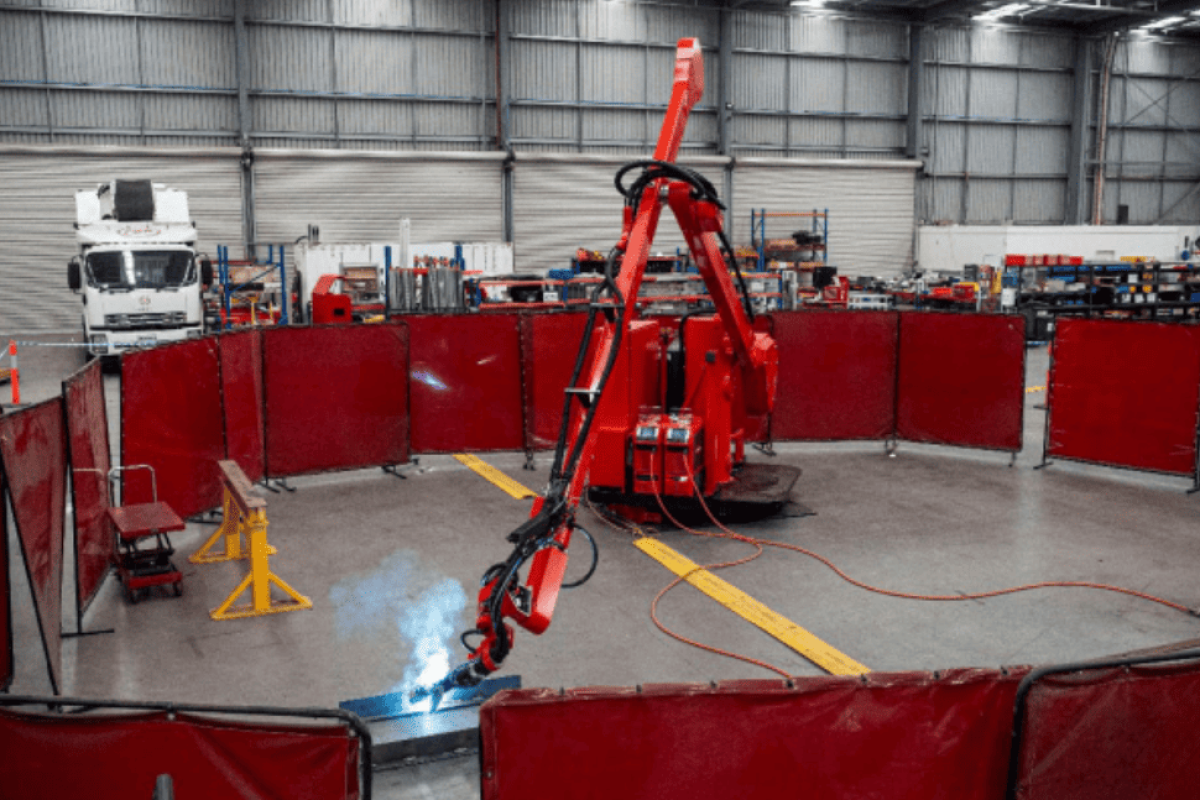
Beyond emissions reduction, the manufacturing process itself is optimized using AI. Production parameters such as polymer concentration, curing time, and compaction pressure are dynamically adjusted in response to real-time testing feedback, improving material consistency while minimizing energy and resource use. This adaptive approach supports scalability and positions the technology for industrial adoption.
The implications extend to infrastructure development, particularly in regions seeking low-cost, locally sourced, and sustainable building materials. Because the composite can be produced using locally available soils and biopolymers derived from agricultural byproducts, the technology supports decentralized manufacturing and circular economy models.
Experts in sustainable engineering have highlighted the broader significance of the work. Dr. Helena Aubrey, a materials scientist not affiliated with the project, said, “This research ushers in a paradigm where sustainability is interwoven with digital precision. The capacity to monitor materials non-destructively while producing them in an environmentally friendly way is transformative.”
While challenges remain, including large-scale biopolymer sourcing and long-term validation in extreme environments, the multidisciplinary research team believes these hurdles are manageable. Future developments may integrate IoT sensors and augmented reality with AI-NDT systems, enabling autonomous manufacturing and predictive maintenance of carbon-negative infrastructure.
The study marks a significant milestone in aligning artificial intelligence, non-destructive testing, and sustainable materials science, offering a practical pathway for the construction industry to move toward net-zero and carbon-negative outcomes.
Reference: https://bioengineer.org/ai-driven-testing-for-carbon-negative-biopolymer-soil/