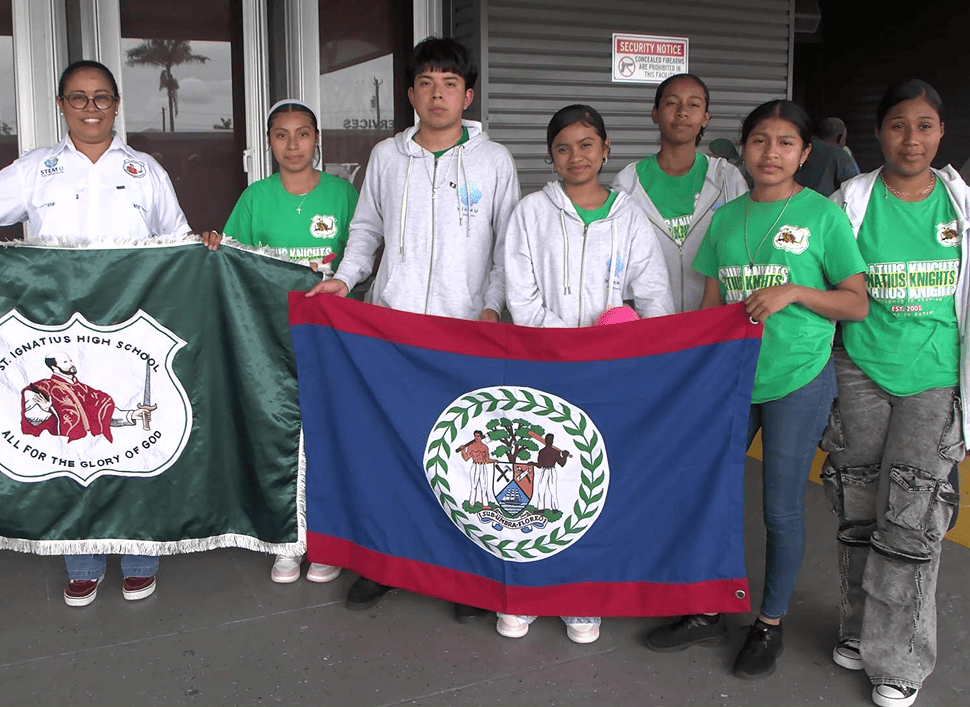
Seven students from St Ignatius High School have returned from a ten-day field experience in North Carolina with renewed interest in careers in welding and non-destructive testing (NDT), highlighting the role of early technical exposure in building the next generation of industry talent.
The visit was supported heavily by the STEM U Foundation and formed part of an annual global exchange initiative designed to strengthen technical education and increase industry exposure for young people. According to the school, this is the second year the foundation has partnered with St Ignatius High School on STEM-focused opportunities.
Principal Jeaneane Neal said the programme is aimed at students involved in welding and non-destructive testing, two skill areas that remain important to technical workforce development.
“STEM U Foundation has been one of the biggest sponsors for this program or initiative,” Neal said. “It is St Ignatius High School students engaged in STEM, particularly welding and non-destructive testing. STEM U Foundation does a global exchange every year, and so this is the second year with St Ignatius High School in the area of STEM.”
The group left Belize on March ninth and returned after completing the ten-day programme. The cohort included six female students and one male student, underscoring the growing visibility of women entering welding and NDT-related pathways.
For the NDT community, the visit reflects a broader workforce theme: creating industry awareness early, widening participation and encouraging more young people to see inspection and technical trades as long-term career options.
Among the participants was fourth-form student Bettina Myers, who said the experience strengthened her confidence and career ambitions.
“This experience has been very enlightening and empowering, because when we went there we saw a lot of women that are specialists in their fields, and it encouraged me more to continue this study and own my own business,” Myers said.
The programme also points to the value of international STEM exposure in helping students connect classroom learning with real-world technical careers, particularly in sectors such as welding and non-destructive testing where future workforce development remains a key industry priority.