The International Atomic Energy Agency (IAEA) has launched a new research initiative to explore how artificial intelligence (AI) can enhance non-destructive testing (NDT) techniques used in disaster response and recovery. The project aims to enable faster, safer and more reliable engineering assessments of critical infrastructure following natural and industrial disasters.
The five-year Coordinated Research Project (CRP) will investigate the integration of AI technologies with advanced NDT methods to deliver real-time, data-driven insights for post-disaster decision-making. As disasters such as earthquakes, floods, tsunamis, extreme weather events and industrial accidents increase in frequency and severity, the need for rapid and accurate infrastructure assessments has become increasingly urgent.
Critical assets such as bridges, buildings, dams and industrial facilities must be evaluated quickly after disasters to protect lives, guide emergency operations and support effective recovery. The IAEA initiative seeks to address this challenge by combining traditional inspection expertise with emerging digital technologies.
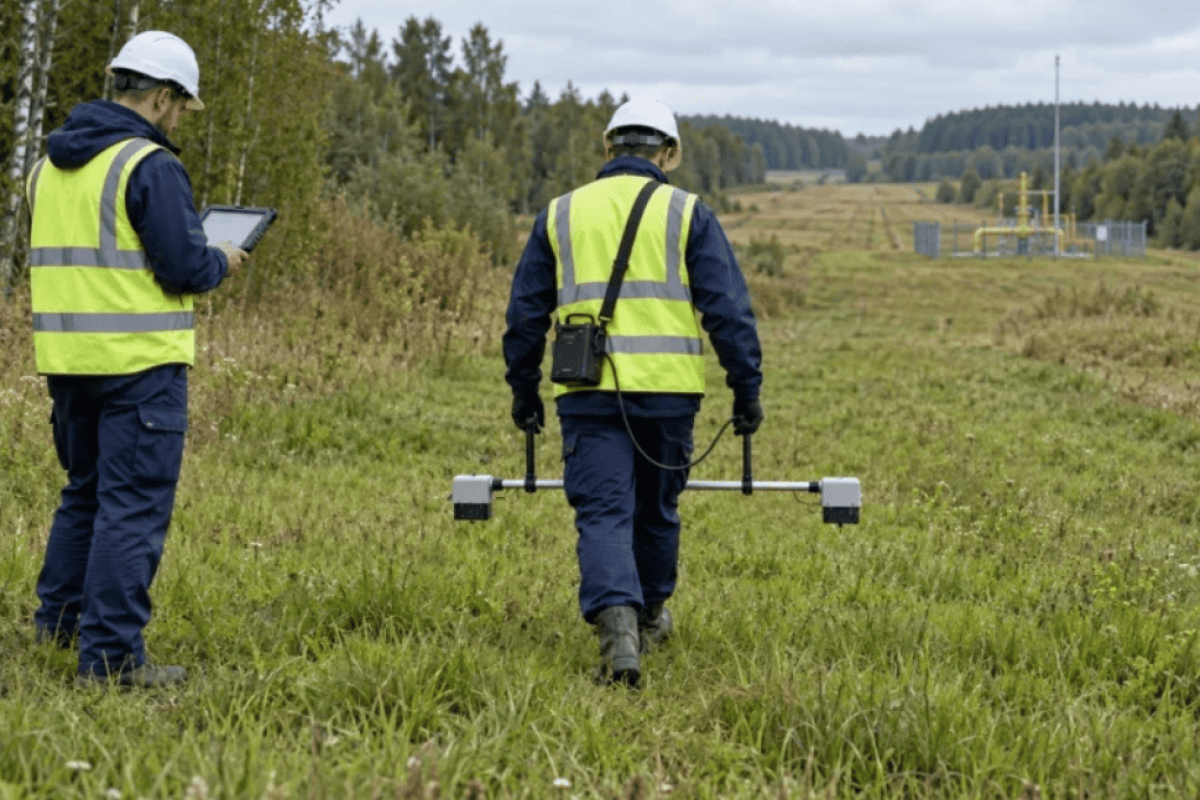
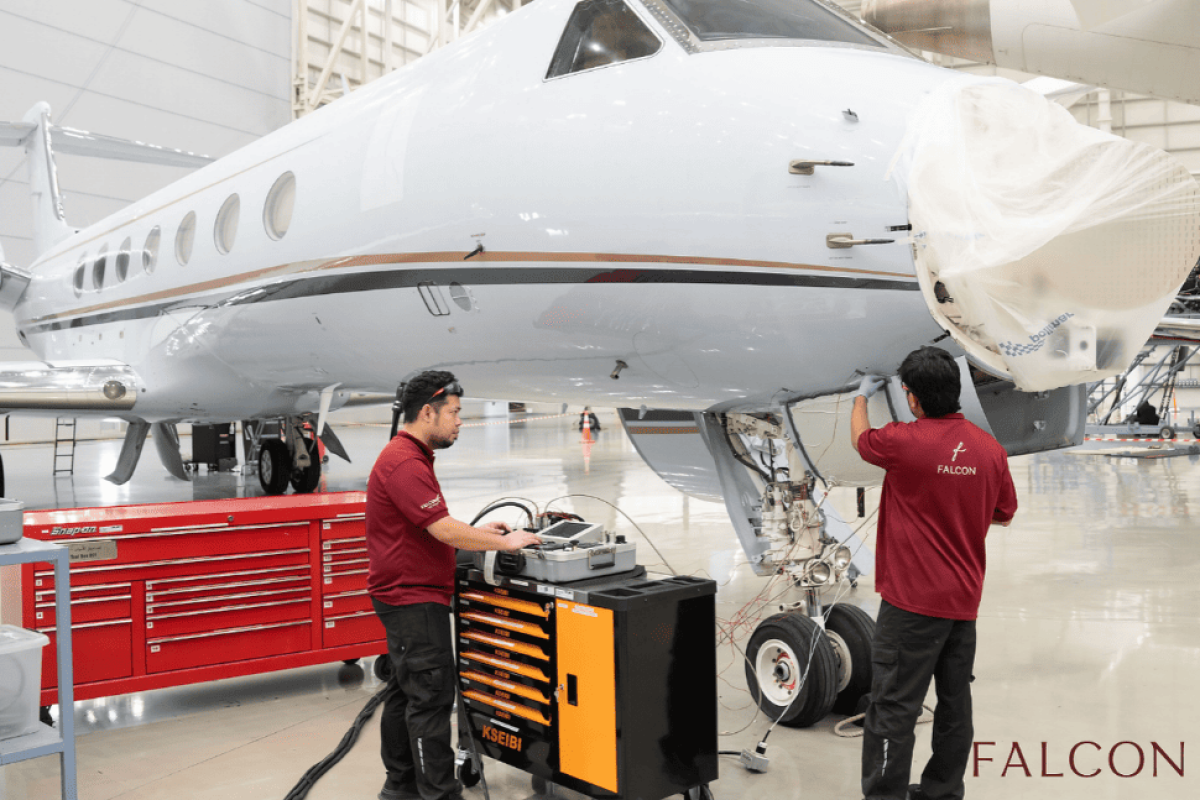
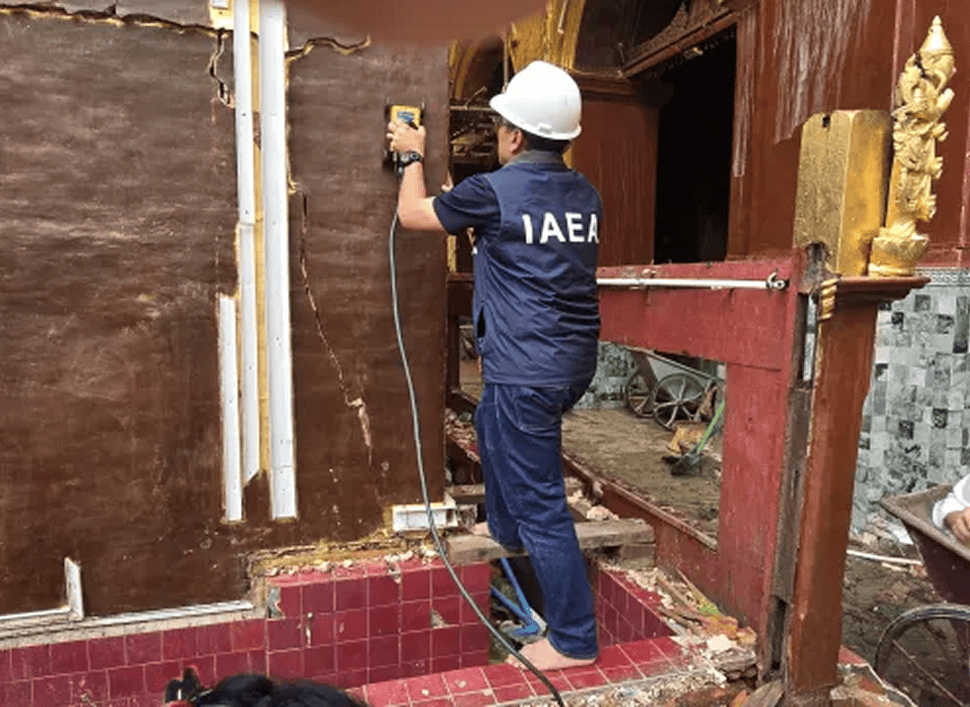
Non-destructive testing has long been a cornerstone of post-disaster safety evaluations, allowing engineers to detect hidden damage without compromising structural integrity. Through regional and national technical cooperation programmes, the IAEA has supported countries in building NDT capabilities for civil engineering, helping establish national readiness for rapid infrastructure assessment after emergencies.
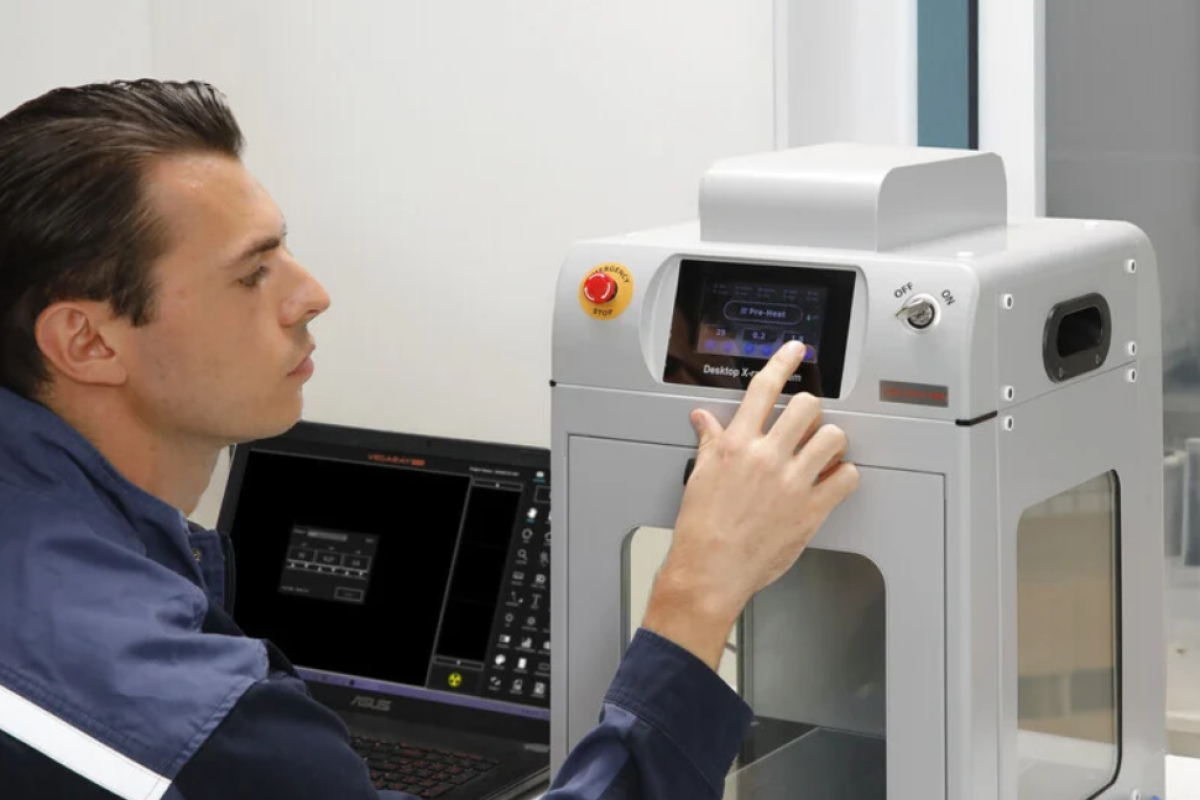
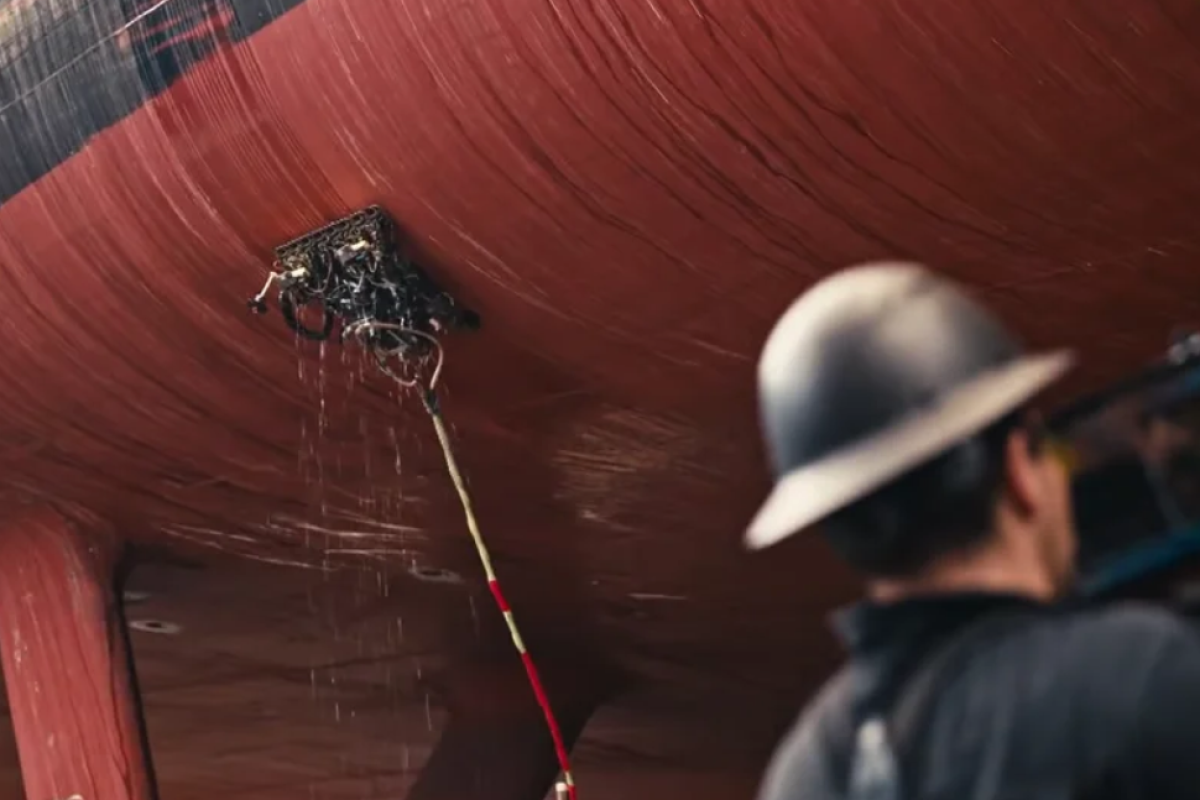
The new project will examine how AI tools such as deep learning algorithms and convolutional neural networks can automate damage detection, accelerate data interpretation and improve consistency in evaluating complex structures. When applied alongside established NDT techniques — including ultrasonics, radiography, imaging, rebar detection and hardness testing — AI has the potential to significantly enhance inspection efficiency and accuracy.
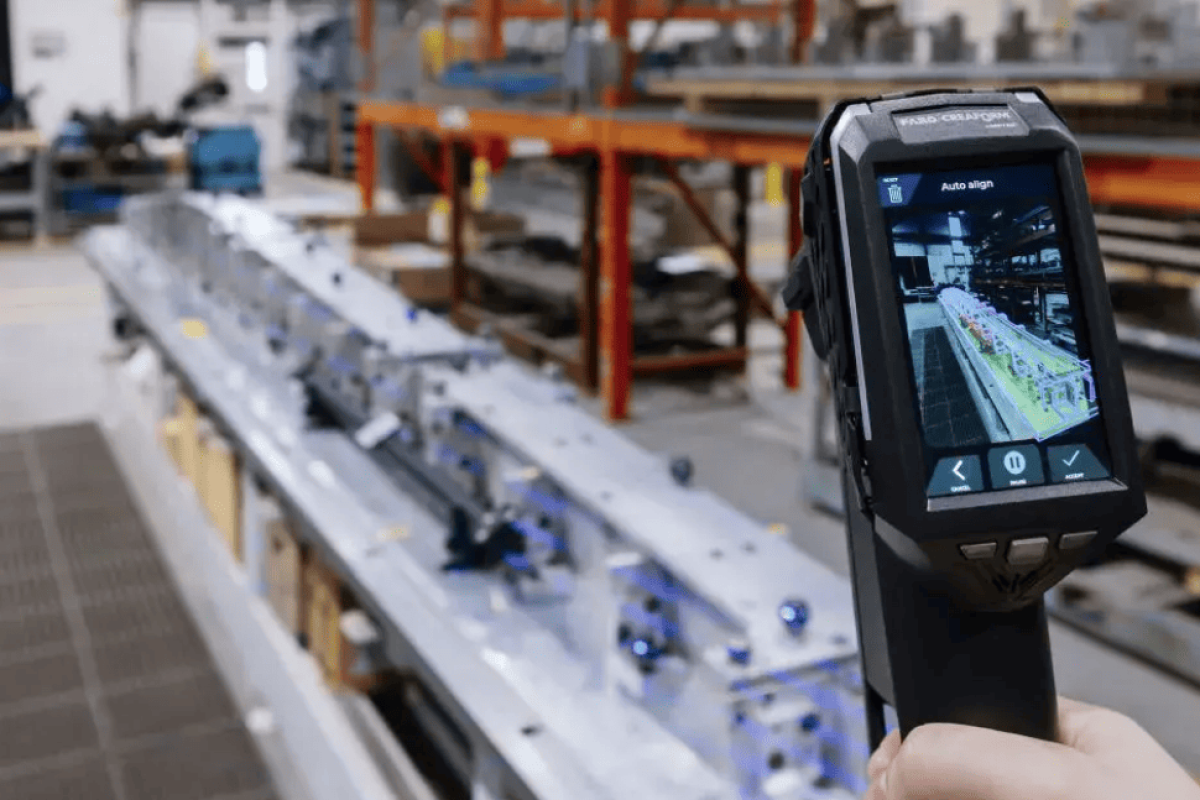
The project will also explore the use of AI in analysing data collected from drone-based inspections, thermal imaging, radiographic and tomographic systems, expanding the range of tools available to emergency responders and structural engineers.
By integrating AI with NDT, the IAEA aims to help countries strengthen disaster preparedness, reduce risks to responders, accelerate recovery efforts and better safeguard communities and critical infrastructure. The research is expected to contribute to more resilient disaster management systems globally by enabling faster, more informed engineering decisions when they matter most.