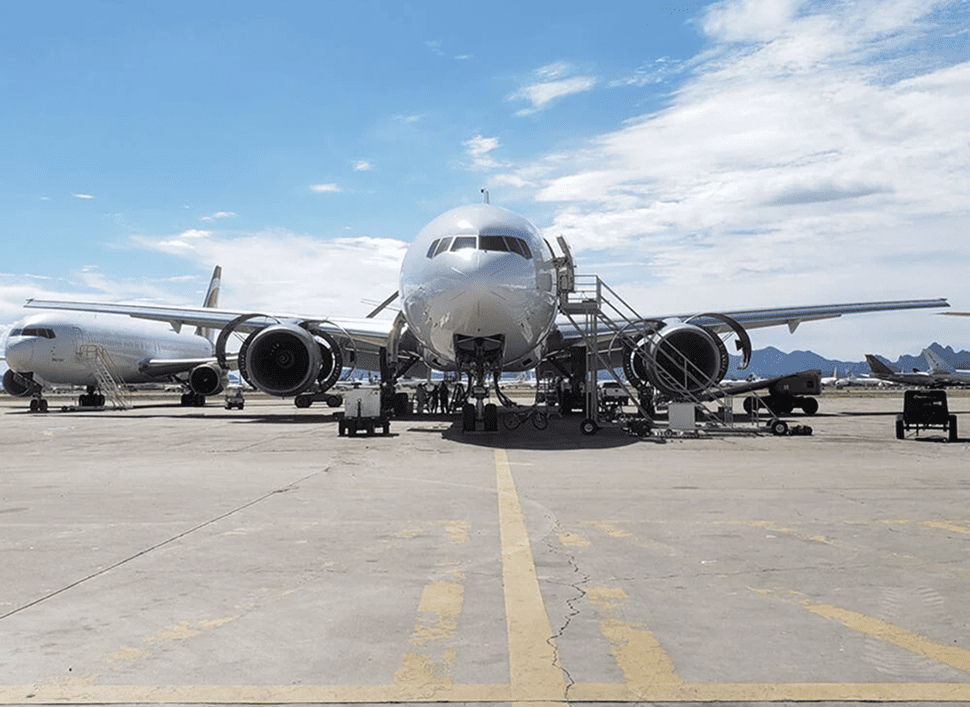
Ascent Aviation Services has highlighted the increasing importance of structural life-limit management as Boeing 777 fleets continue to mature and undergo more demanding heavy maintenance cycles.
As airlines extend the operational life of widebody aircraft, maintenance, repair and overhaul (MRO) providers are placing greater emphasis on identifying structural components that are approaching their design limits during major maintenance checks.
“As a heavy maintenance MRO, our role focuses on carrying out comprehensive inspections, repairs and modifications in line with the manufacturer’s approved maintenance programs and regulatory requirements,” said Allen Neufeld.
“While we do not directly track the life limits of individual aircraft components—this responsibility lies with the aircraft operator—we ensure that all structural components nearing life limits are identified, managed and replaced as required during scheduled maintenance events,” Neufeld said.
For the Boeing 777 aircraft, structural life limits are defined in the aircraft’s maintenance planning document, which outlines intervals and criteria for structural inspections, fatigue life monitoring and corrosion-prevention tasks. These requirements are typically addressed during major C-check and D-check maintenance events, when aircraft structures are opened extensively enough for inspection of areas that are not accessible during lighter maintenance activities.
As the global Boeing 777 fleet ages, these inspections are becoming increasingly important for identifying fatigue-related findings and monitoring long-term corrosion trends.
Prior to aircraft induction into maintenance, Ascent works with airline operators to review maintenance records, life-limited part status reports and historical documentation. According to Neufeld, this process provides visibility into components that may require attention during scheduled maintenance visits and allows both the operator and the MRO provider to plan potential repairs or replacements in advance.
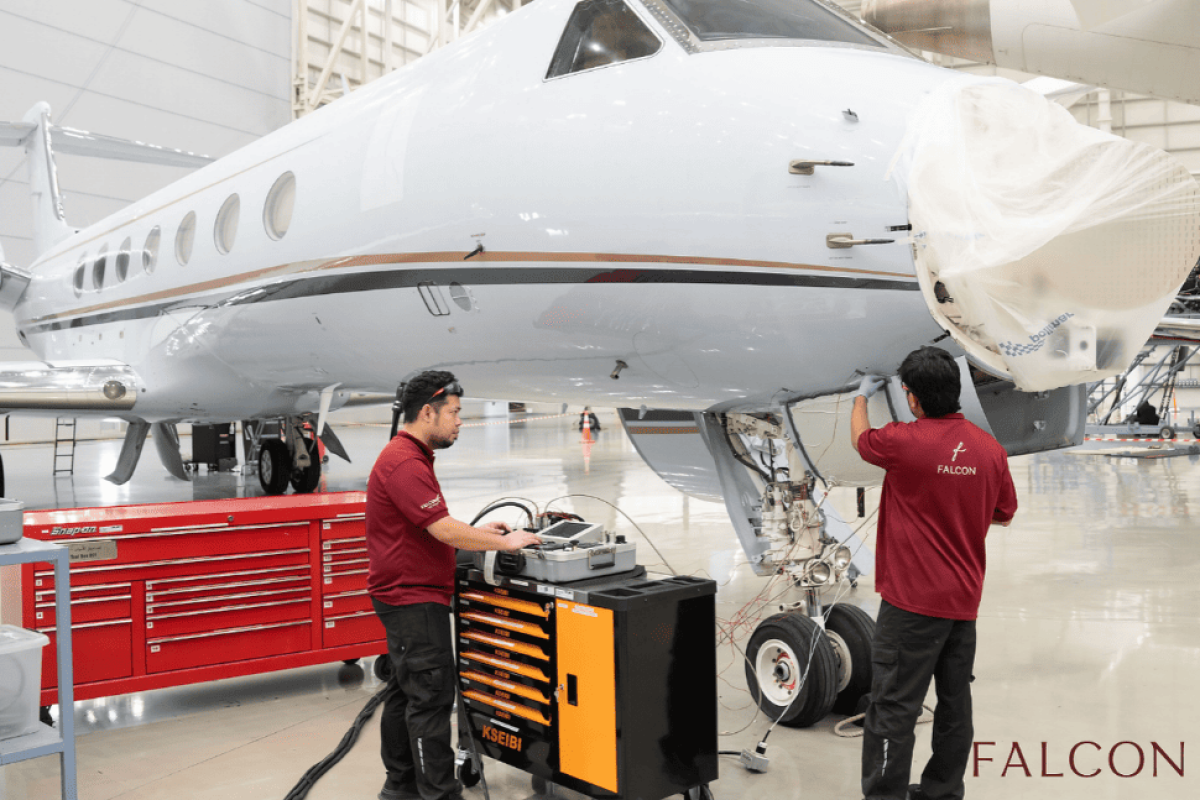
Once the aircraft enters the hangar, Ascent’s engineering and quality teams conduct detailed structural inspections in accordance with the Boeing Structural Repair Manual, applicable airworthiness directives and relevant service bulletins.
During these inspections, findings related to fatigue, corrosion or structural damage beyond allowable limits are evaluated and addressed using approved repair procedures. The assessment process includes determining whether structural components are approaching their design service goal or fatigue threshold and whether replacement or repair is required to maintain compliance.
Although Ascent does not maintain its own tracking system for life-limited aircraft parts, the company supports operators by sourcing and procuring replacement components through its network of approved suppliers.
“Each part is verified for full traceability, certification and compliance with Boeing and regulatory requirements prior to installation,” Neufeld said.
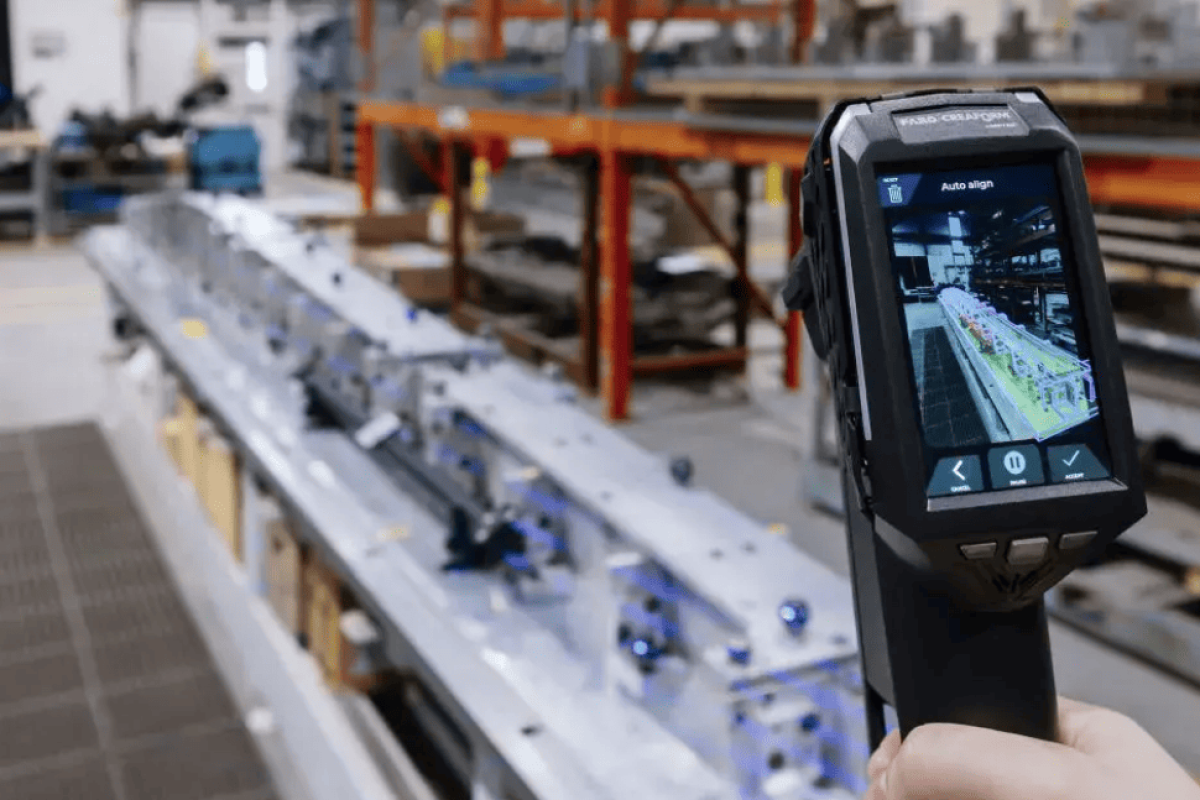
According to the company, preventive measures also play a significant role in maintaining structural integrity. These measures include advanced corrosion protection practices, the use of nondestructive testing techniques and adherence to Boeing’s Supplemental Structural Inspection Program.
In addition to performing inspections and repairs, Ascent provides operators with feedback on recurring structural findings or trends observed during maintenance visits. This information supports long-term airworthiness planning and helps operators manage the structural health of aging aircraft fleets.