The Delaware River Joint Toll Bridge Commission has awarded two major professional-services contracts to conduct ultrasonic testing of critical pin connections across six bridges, reinforcing its commitment to structural safety and proactive asset management.
The initiative follows the 2024 discovery of a severely deteriorated pin connection on the 121-year-old New Hope–Lambertville Toll-Supported Bridge. The compromised pin—shielded for decades by spacers and undetected during previous inspections—posed a significant risk under heavy load and was ultimately replaced after the bridge was temporarily closed. Subsequent ultrasonic testing of 210 additional pins at the structure confirmed they were sound, underscoring the value of advanced NDT methods for hidden, high-risk components.
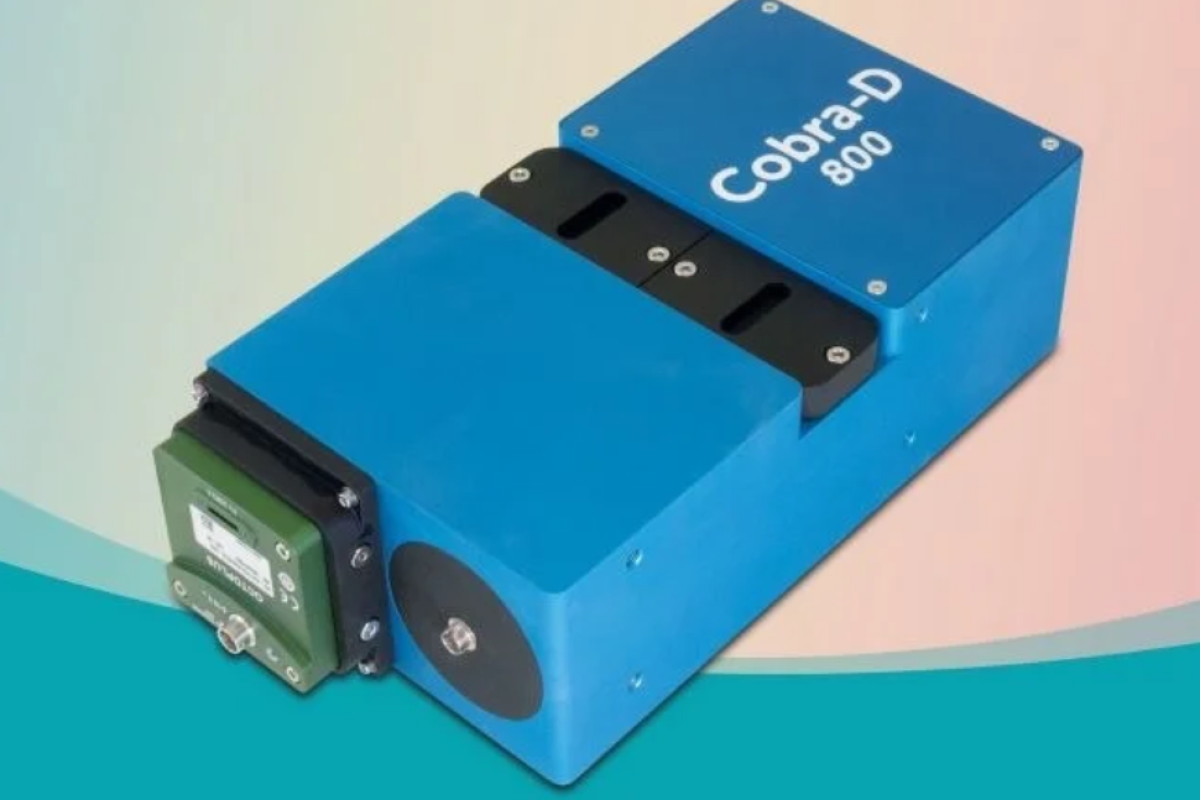
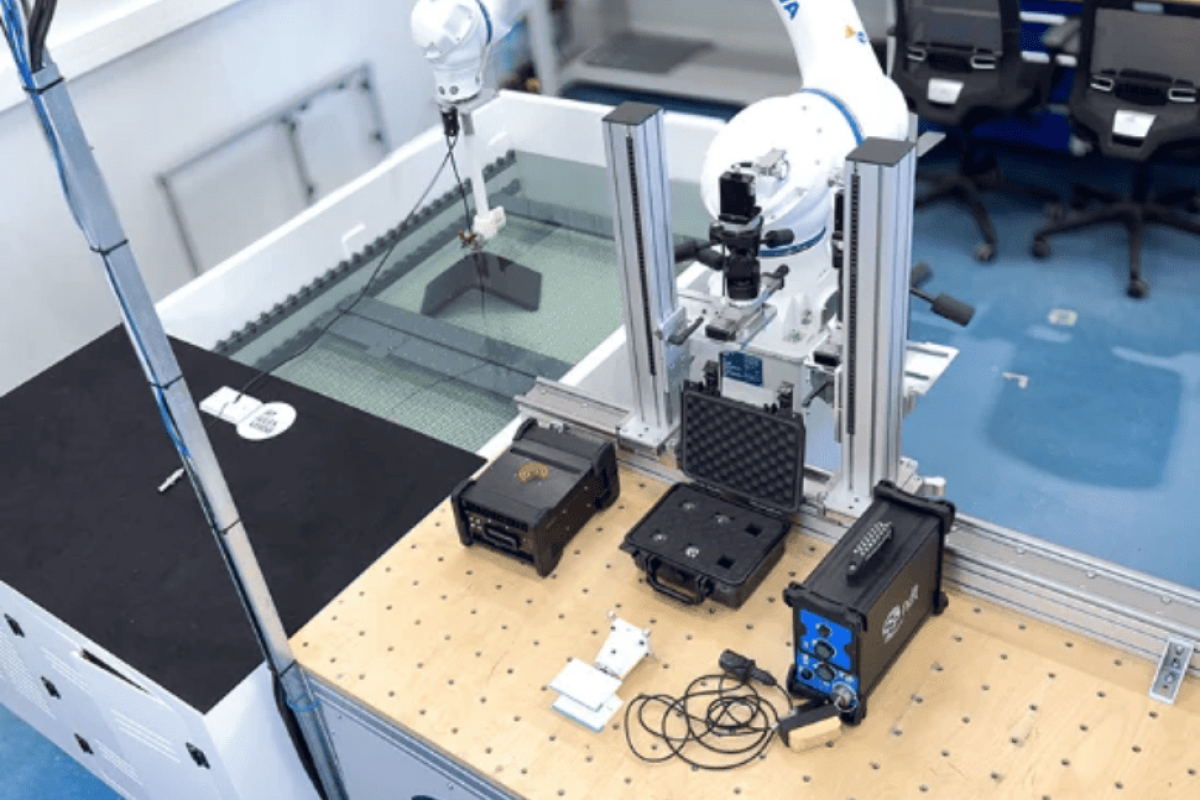
Pins—specialized heavy-duty connectors that secure moving joints in certain bridge types—are essential for accommodating expansion, contraction, and load transfer. However, because they are often concealed by eyebars, collars, spacers, and hangers, they remain difficult or impossible to inspect using conventional visual methods. Ultrasonic testing, which transmits high-frequency sound waves through steel to detect internal flaws or deterioration, has emerged as a critical tool for assessing these hidden connections without damaging the bridge.
At the November 24 meeting, the Commission approved two contracts under its 2026 Non-Destructive Bridge Pin Testing program. Most Commission bridges do not employ pin-connected structures, but for those that do, the method will provide baseline assessments for long-term comparison and monitoring.
Pennoni Associates, based in King of Prussia, Pennsylvania, received a contract of up to $1,077,133.19 to test pins at three southern-region bridges:
- Calhoun Street Toll-Supported Bridge (1884), Trenton, NJ–Morrisville, PA — approx. 252 truss pins
- New Hope–Lambertville (Route 202) Toll Bridge (1971), Solebury Twp., PA–Delaware Twp., NJ — approx. 16 hanger assembly pins
- Lumberville–Raven Rock Toll-Supported Pedestrian Bridge (1947), PA–NJ — approx. 8 anchorage pins
A second contract, valued at up to $873,488.66, was awarded to Modjeski and Masters, Mechanicsburg, Pennsylvania, for testing at three central-region bridges:
- Riegelsville Toll-Supported Bridge (1904) — approx. 170 suspension cable and rod pins
- Northampton Street Toll-Supported Bridge (1895–96) — approx. 98 truss pins
- Easton–Phillipsburg (Route 22) Toll Bridge (1938) — approx. 74 truss pins
Testing may begin as early as February at the Route 202 bridge, with other structures scheduled for evaluation once winter conditions ease in 2026. Lane closures are expected at some locations, with advance notices planned.
The Commission conducts biennial bridge inspections under federal National Bridge Inspection Standards, but ultrasonic testing is not mandated by FHWA. By integrating advanced NDT methodologies beyond federal requirements, the agency aims to deepen its understanding of hidden structural elements and prevent failures before they emerge.
The baseline data collected during the 2026 program will enable future comparative assessments, establishing a long-range condition history for some of the region’s oldest and most important crossings.