The U.S. Department of Energy (DOE) has selected two companies specializing in ultrasonic non-destructive testing (NDT) and structural health monitoring technologies to advance to the final phase of a demonstration program focused on automated monitoring of spent nuclear fuel (SNF) dry storage canisters.
Pennsylvania-based companies Guidedwave and Sensible Photonics have been chosen by the DOE’s Center for Used Fuel Research (CUFR) to participate in the next round of demonstration testing. The testing is scheduled to take place this summer at Idaho National Laboratory (INL) and will evaluate acoustic emission technologies designed for continuous monitoring of dry storage canisters used for spent nuclear fuel.
The Center for Used Fuel Research, established earlier this year by the DOE Office of Nuclear Energy and headquartered at INL, serves as a national and international hub for applied research related to spent nuclear fuel performance, canister aging, and the development of innovative technologies for long-term fuel management.
The initiative addresses a growing industry requirement for more efficient inspection and monitoring solutions for spent fuel storage systems. Nuclear utilities operating Independent Spent Fuel Storage Installations (ISFSIs) are required by the U.S. Nuclear Regulatory Commission under 10 CFR Part 72 to maintain aging management programs for all spent fuel storage systems. Current inspection practices typically involve periodic examinations using specialized equipment during each inspection cycle.
Highlighting the potential benefits of advanced monitoring approaches, INL stated:
“Automated and continuous monitoring and inspection approaches could streamline aging management activities and reduce operational burdens for used nuclear fuel management.”
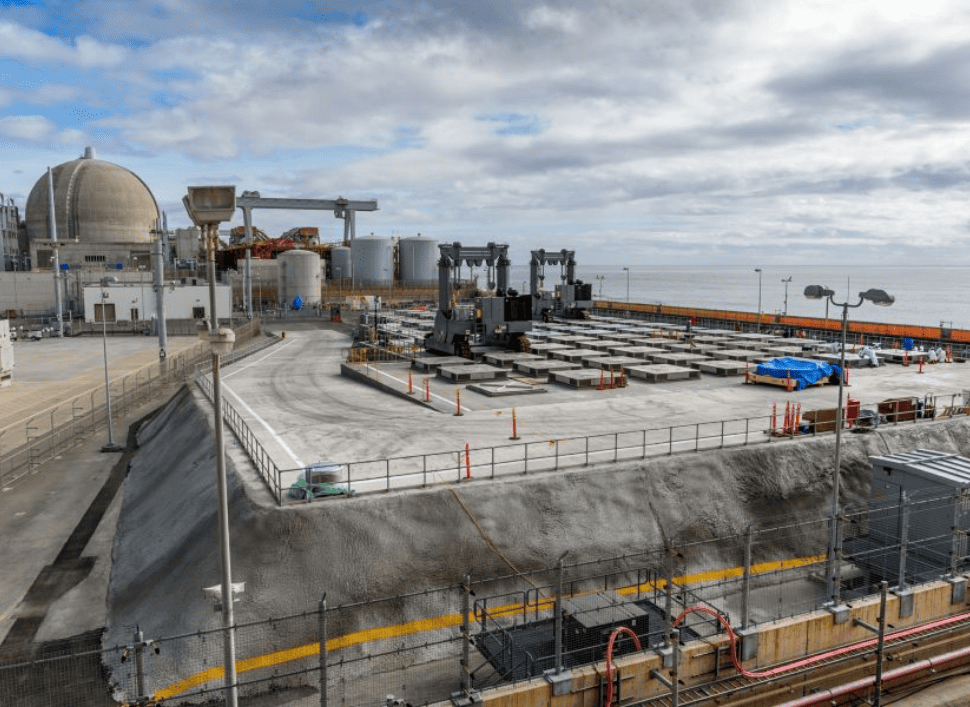
The upcoming testing campaign will evaluate the performance of the selected technologies under conditions relevant to long-term dry storage applications. Results from the summer demonstrations will be used to determine the technology selected for a full-scale demonstration project that may be conducted at the San Onofre Nuclear Generating Station (SONGS) in Southern California in early 2027.
The planned SONGS demonstration would utilize a Holtec International UMAX dry storage test canister. While the canister will not contain spent nuclear fuel, it will be equipped with electric heaters to simulate realistic thermal loads and environmental conditions encountered during storage operations.
According to INL, the demonstration is intended to serve as a proof of concept for the future deployment of automated inspection and monitoring systems for aging management programs across spent fuel storage facilities. The technology could eventually support monitoring efforts at more than 74 operating and retired commercial nuclear power plants across the United States, as well as future DOE-managed federal spent fuel staging facilities.
The selection of Guidedwave and Sensible Photonics followed a review process conducted by a panel of experts from across the DOE complex and the nuclear industry. The evaluation focused on key performance metrics relevant to acoustic emission monitoring and structural health assessment. The participating companies were selected from a pool of former Small Business Innovation Research (SBIR) and Nuclear Energy University Program (NEUP) award recipients invited to participate in the process.
For the NDT community, the project highlights the expanding role of advanced ultrasonic and structural health monitoring technologies in nuclear asset integrity management, with automated inspection solutions increasingly being explored to improve safety, efficiency, and long-term infrastructure reliability.