
The End of Scheduled Maintenance
For decades, industrial maintenance followed a predictable rhythm. Equipment was inspected according to fixed schedules, components were replaced after a predetermined number of operating hours, and maintenance calendars often dictated when assets would be taken offline, regardless of whether they actually needed attention.
That approach helped build some of the world's largest refineries, power plants, chemical facilities, and manufacturing operations. It provided structure, improved safety, and reduced the likelihood of catastrophic failures. For many years, it was considered the most practical way to keep critical assets operating reliably.
But today's industrial landscape is very different.
Facilities are expected to produce more with fewer resources. Equipment is remaining in service well beyond its original design life. Maintenance budgets are under constant scrutiny, while experienced technicians and reliability specialists are becoming increasingly difficult to replace. At the same time, even a few hours of unexpected downtime can disrupt supply chains, impact production targets, and result in significant financial losses.
As industries become more connected and operational expectations continue to rise, maintenance is no longer judged solely by whether equipment was serviced on time. It is measured by how effectively organisations prevent failures, maximise asset availability, and make informed decisions about the health of their equipment.
The question industries are asking is no longer:
"When is the next inspection due?"
Instead, it has become:
"What is the asset telling us right now?"
That seemingly simple shift is redefining industrial maintenance. Rather than relying solely on predetermined schedules, organisations are increasingly making maintenance decisions based on the actual condition of their assets. At the heart of this transformation is Condition Monitoring, an approach that enables continuous visibility into equipment health and helps organisations respond before minor abnormalities develop into costly failures.
Why Maintenance Is Being Reimagined
The growing adoption of Condition Monitoring is not being driven by technology alone. It is being driven by the realities of modern industrial operations.
Across industries such as oil & gas, power generation, petrochemicals, manufacturing, mining, and transportation, operators are under increasing pressure to extend asset life, improve equipment reliability, reduce maintenance costs, and maintain safe operations without compromising productivity. Traditional maintenance programmes, while still valuable, often struggle to meet these expectations on their own.
Fixed maintenance schedules assume that every asset ages in the same way. In reality, equipment experiences different operating conditions, loading patterns, environmental influences, and degradation rates. A pump operating continuously under demanding conditions may require attention much sooner than an identical unit working under lighter loads. Similarly, replacing components simply because the calendar says so can lead to unnecessary maintenance costs, while waiting until the next scheduled inspection may allow hidden defects to develop further.
This is where Condition Monitoring changes the conversation. Instead of relying on assumptions about equipment health, it provides maintenance teams with real-time information that reflects how an asset is actually performing. Decisions become evidence-based rather than schedule-driven, allowing maintenance resources to be focused where they are needed most.
The result is not just fewer failures, but smarter maintenance planning, improved asset utilisation, and greater operational confidence.
From Calendar-Based Maintenance to Asset Intelligence
Industrial maintenance has evolved significantly over the past few decades. Organisations once reacted to failures only after equipment stopped working. Preventive maintenance introduced scheduled servicing to reduce unexpected breakdowns, while predictive maintenance used historical trends to anticipate potential failures.
Today, the industry is moving one step further.
Rather than simply predicting when an asset might fail, organisations are developing a continuous understanding of equipment health. This shift represents the transition from maintenance scheduling to asset intelligence.
Every industrial asset generates valuable operational information. Changes in vibration, temperature, pressure, flow, electrical current, lubrication quality, or acoustic behaviour often appear long before visible damage or equipment failure occurs. These subtle changes provide early indications that something within the system is beginning to deviate from normal operating conditions.
Condition Monitoring brings these signals together to create a more complete picture of asset health. Instead of reacting to alarms in isolation, maintenance teams can observe trends, identify abnormal behaviour, understand degradation patterns, and make decisions based on actual equipment condition.
The objective is not to collect more data for the sake of monitoring. The objective is to transform operational information into meaningful maintenance actions that reduce risk, improve reliability, and support better long-term asset management.
Listening to What Assets Are Telling Us
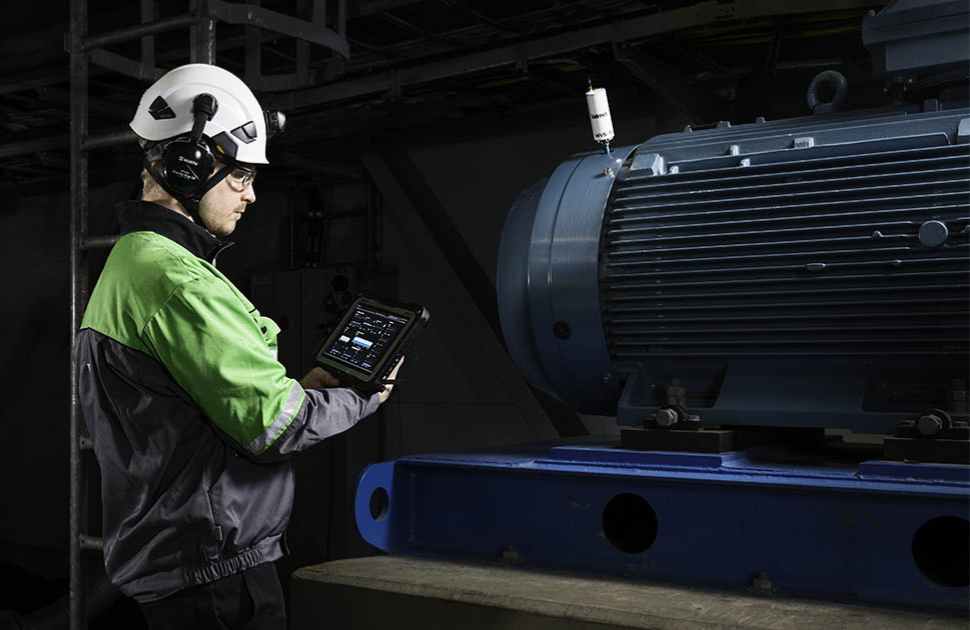
Modern Condition Monitoring relies on a combination of sensing technologies, connected systems, and advanced analytics to continuously assess equipment performance. Depending on the asset and its operating environment, organisations monitor parameters such as vibration, temperature, pressure, flow, lubrication quality, corrosion activity, electrical behaviour, and acoustic emissions.
Wireless sensors, Industrial Internet of Things (IIoT) platforms, edge computing, cloud-based asset management systems, and AI-assisted analytics have made it possible to collect and analyse this information more efficiently than ever before. Instead of waiting for routine inspections, maintenance teams can receive early warnings when equipment behaviour begins to change.
However, technology alone does not improve reliability.
One of the biggest challenges facing organisations today is not the lack of data, but the abundance of it. Modern facilities generate enormous volumes of information every day, yet turning that information into practical maintenance decisions remains a significant challenge. Successful Condition Monitoring programmes are built on selecting the right monitoring technologies, understanding failure mechanisms, and interpreting data within the operational context of each asset.
Ultimately, the most valuable insight is not that a sensor has detected a change; it is understanding what that change means, why it is happening, and what action should be taken next.
Where NDT Fits in the Picture
As Condition Monitoring becomes more widely adopted, one misconception continues to surface: that continuous monitoring will eventually replace Non-Destructive Testing.
The reality is quite the opposite.
Condition Monitoring and NDT address different aspects of asset integrity, and their greatest value is realised when they work together.
Condition Monitoring provides continuous awareness of how an asset is performing during operation. It identifies abnormal trends, highlights potential degradation, and signals when further investigation may be required. NDT techniques, on the other hand, provide the detailed inspection needed to confirm the presence, location, size, and severity of defects.
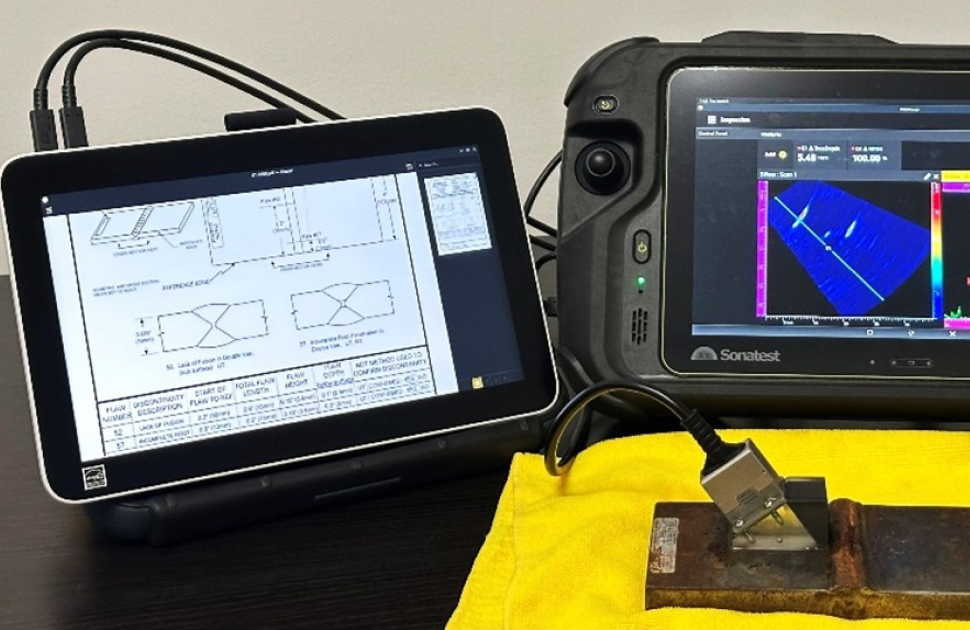
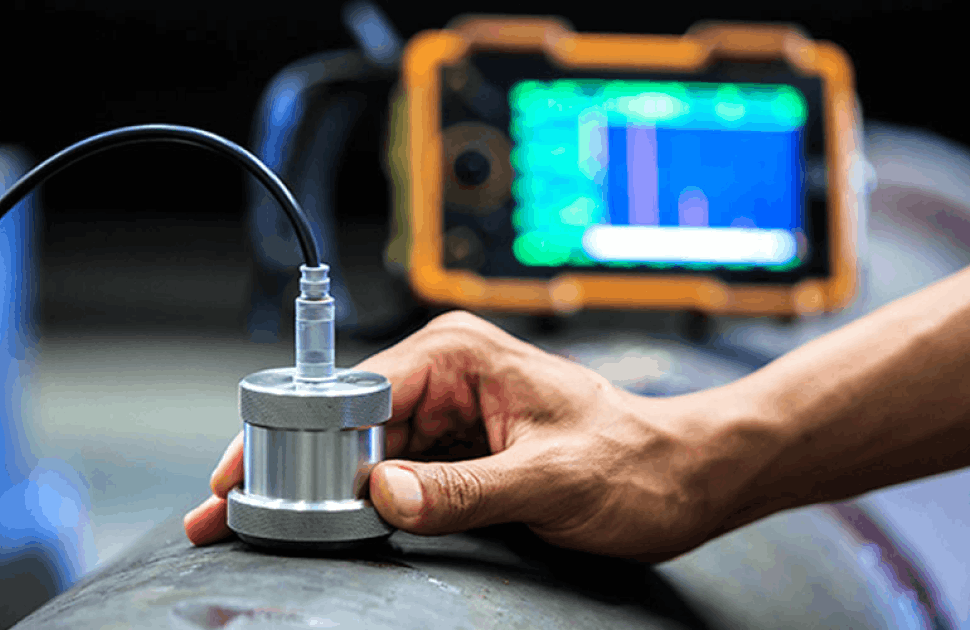
For example, an increase in vibration may indicate developing bearing damage within a rotating machine, while changes in pressure or temperature could suggest fouling or leakage in process equipment. These indicators help maintenance teams determine where focused inspections should be carried out. Techniques such as Ultrasonic Testing, Phased Array UT, Eddy Current Testing, Acoustic Emission, or Radiographic Testing then provide the detailed assessment required to evaluate the condition of the asset and support maintenance decisions.
Rather than replacing one another, continuous monitoring and targeted inspections create a more efficient and risk-informed approach to asset integrity management.
The Future Is Smarter Decisions
The future of maintenance will not be defined by how many sensors are installed or how much data is collected. It will be defined by how effectively organisations convert information into confident engineering decisions.
As industrial assets become increasingly connected, Condition Monitoring will continue to evolve from a maintenance tool into a strategic asset management capability. Artificial intelligence will help prioritise anomalies, digital twins will improve operational visibility, and integrated asset health platforms will provide a more complete understanding of equipment performance across entire facilities.
Yet, despite these technological advances, engineering judgement will remain indispensable. Sensors can identify abnormalities, analytics can reveal patterns, and algorithms can estimate future risks, but experienced engineers and NDT professionals will continue to provide the expertise needed to interpret findings, validate equipment condition, and determine the most appropriate course of action.
The organisations that achieve the highest levels of reliability will not necessarily be those with the most advanced technology. They will be the ones that combine continuous monitoring, targeted inspection, engineering expertise, and sound maintenance practices into a single, integrated strategy.
Because in the end, the future of maintenance is not about replacing schedules with sensors.
It is about replacing assumptions with understanding.

There are no comments yet!