20260818161227.webp)
A wind turbine rising above an offshore horizon, a refinery compressor operating around the clock, and a high-speed train travelling hundreds of kilometres each day have little in common. Yet the reliability of each depends on the same principle: understanding the health of critical assets before failure occurs.
Today, Condition Monitoring has become far more than a maintenance technique. It is a strategic approach that helps organisations move from reactive repairs to informed, condition-based decisions. By continuously or periodically assessing asset health, companies can detect early signs of degradation, schedule maintenance at the right time, reduce unexpected downtime, and improve overall reliability.
While the objective remains universal, the implementation is anything but. Every industry faces unique operational challenges, monitors different assets, and prioritises different risks. A refinery focuses on corrosion and process safety, a manufacturer aims to avoid production interruptions, and a wind farm relies on remote diagnostics to reduce costly site visits. These differences shape how Condition Monitoring programmes are designed and which technologies deliver the greatest value.
Rather than asking which monitoring technology is the best, leading organisations ask a more important question: Which assets are most critical to our operation, and how can we detect their failure before it affects safety, productivity, or performance?
One Objective, Different Priorities
The principles of Condition Monitoring are consistent across industries, but reliability is defined differently depending on the operating environment.
For an energy producer, reliability means uninterrupted power generation. In manufacturing, it means maintaining production uptime. For railway operators and aerospace organisations, reliability is inseparable from safety, while in Oil & Gas it is closely linked to asset integrity and environmental protection.
This is why successful Condition Monitoring programmes are built around asset criticality rather than technology alone. International guidance such as ISO 17359 recommends selecting monitoring methods based on equipment importance, operating conditions, and potential failure consequences. Organisations that understand these priorities are better positioned to identify faults early and make maintenance decisions that reduce both operational risk and lifecycle costs.
Oil & Gas: Reliability Begins with Asset Integrity
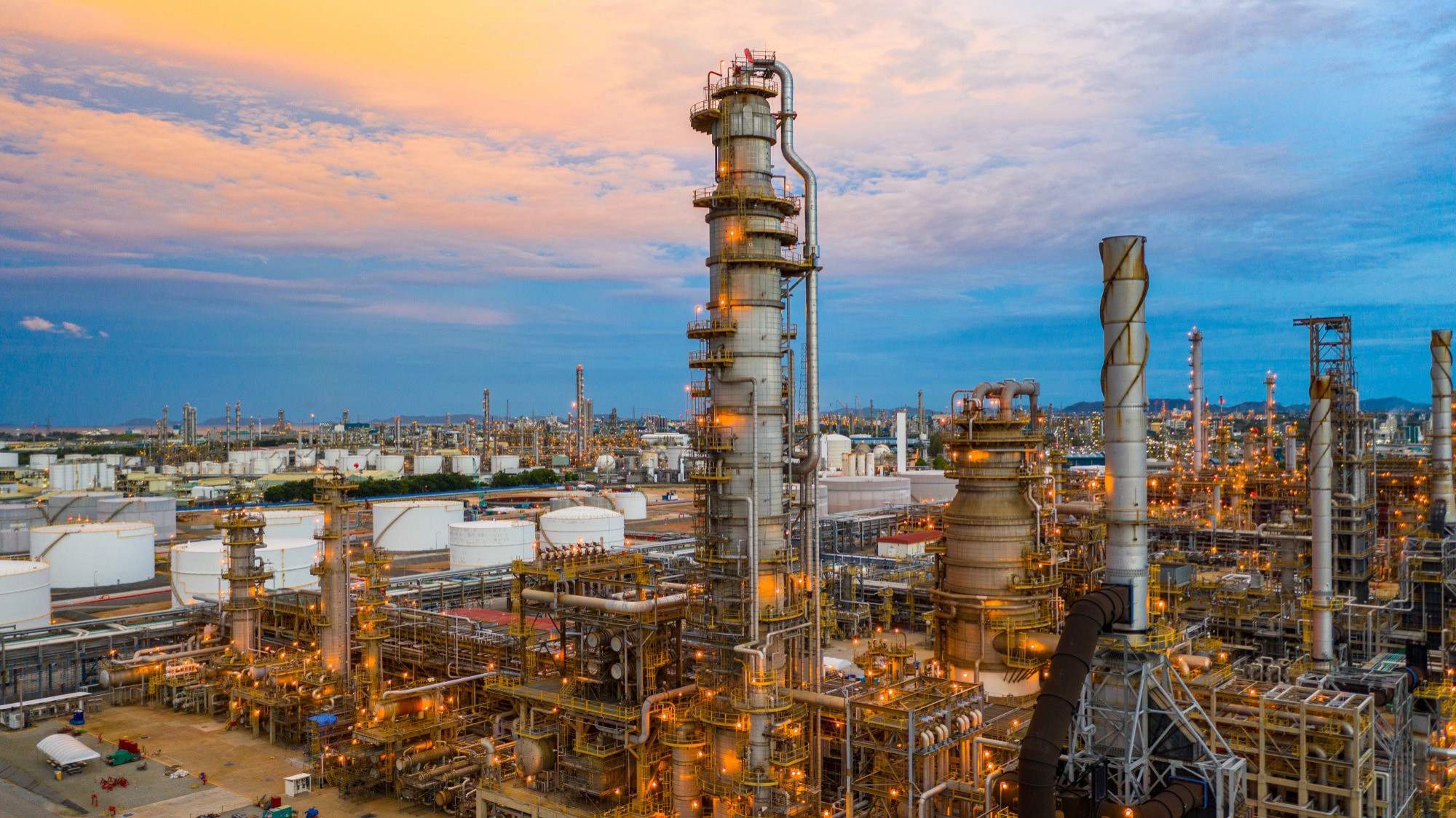
Oil & Gas facilities operate in some of the world's most demanding environments. High pressures, elevated temperatures, corrosive process conditions, and continuous production mean that even minor equipment degradation can have significant operational and safety consequences.
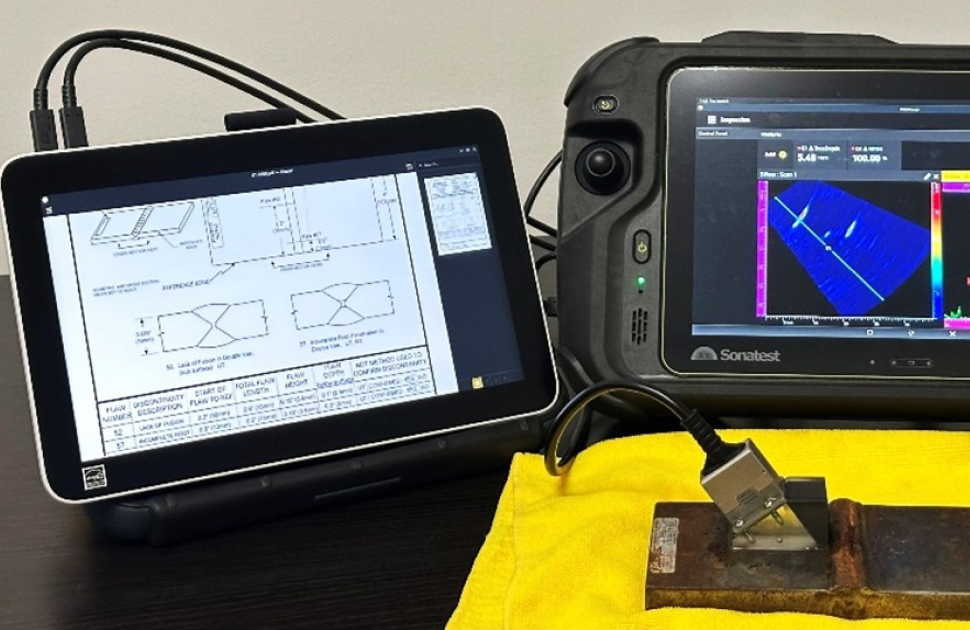
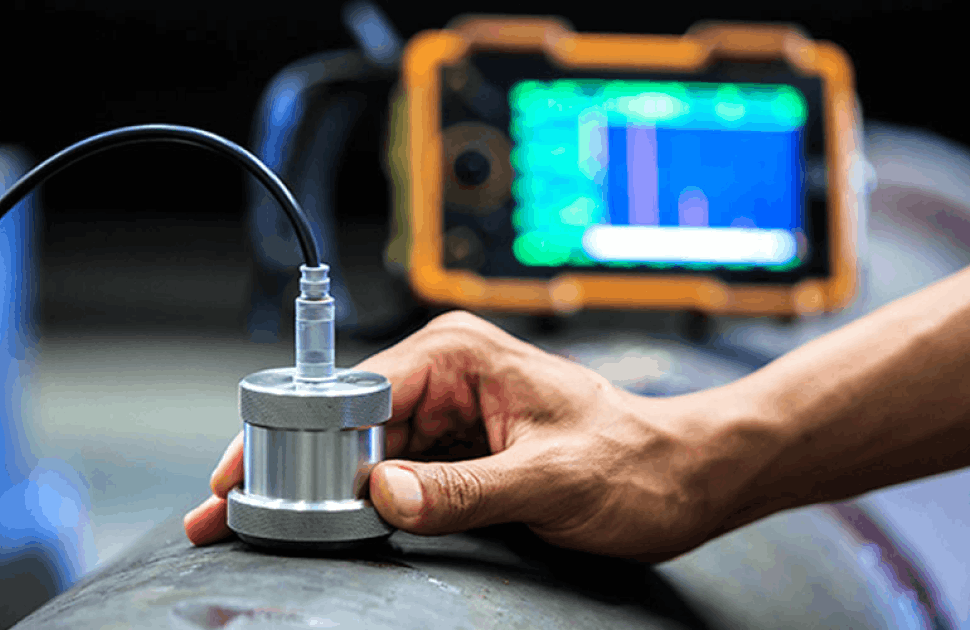
Condition Monitoring therefore extends beyond rotating equipment to become part of a broader asset integrity strategy. Pumps, compressors, pipelines, pressure vessels, heat exchangers, and storage tanks are routinely monitored using a combination of vibration analysis, ultrasonic thickness measurement, corrosion monitoring, thermography, lubricant analysis, and acoustic emission testing. Each technique targets a different failure mechanism, allowing operators to build a more complete picture of equipment health.
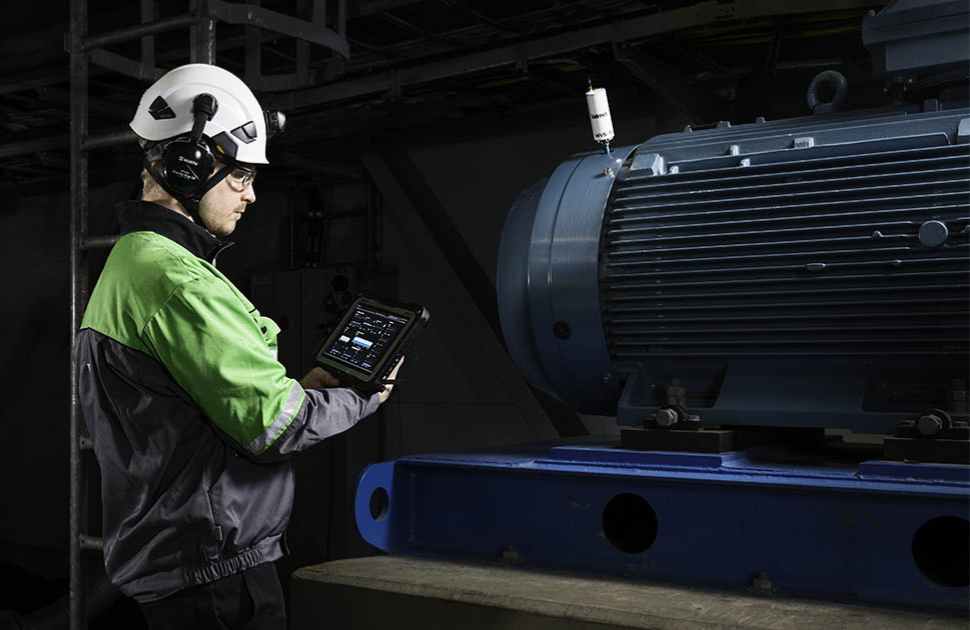
Increasingly, these monitoring systems are connected to digital asset management platforms that continuously assess equipment condition and highlight developing abnormalities before they become failures. Companies such as Emerson have demonstrated how continuous machinery monitoring enables maintenance teams to prioritise interventions, minimise unexpected shutdowns, and improve plant reliability.
Key Takeaway
In Oil & Gas, Condition Monitoring is not simply about detecting equipment faults; it is a fundamental part of protecting asset integrity, ensuring process safety, and maintaining continuous operations.
Power Generation: Maximising Availability of Critical Assets
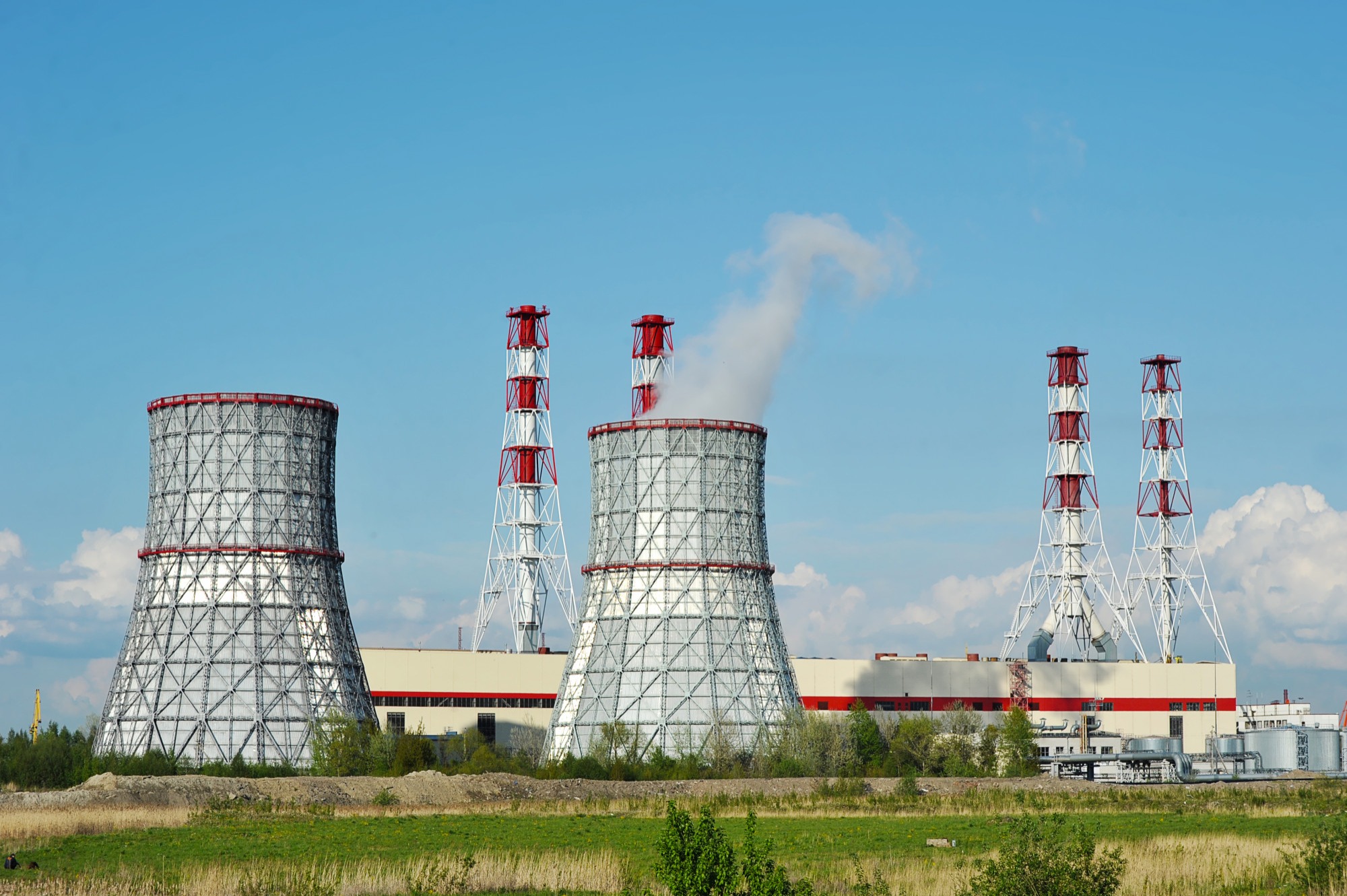
Power generation relies on a relatively small number of high-value assets whose failure can disrupt electricity supply and result in substantial repair costs. Gas turbines, steam turbines, generators, transformers, and auxiliary rotating equipment must operate reliably over long service lives while maintaining high levels of efficiency.
To achieve this, utilities combine online vibration monitoring, dissolved gas analysis, infrared thermography, and partial discharge monitoring to identify early signs of mechanical and electrical deterioration. Continuous assessment enables maintenance teams to detect bearing wear, rotor imbalance, insulation degradation, or transformer faults long before they develop into forced outages.
Research from the Electric Power Research Institute (EPRI) highlights how continuous monitoring also supports asset life extension by allowing maintenance decisions to be based on actual equipment condition rather than fixed maintenance intervals. This approach not only improves reliability but also helps utilities optimise maintenance budgets across ageing infrastructure.
Key Takeaway
For power generation, the greatest value of Condition Monitoring lies in maintaining availability. Detecting degradation early reduces forced outages, extends asset life, and supports a more resilient power network.
Manufacturing: Preventing Downtime Before It Happens
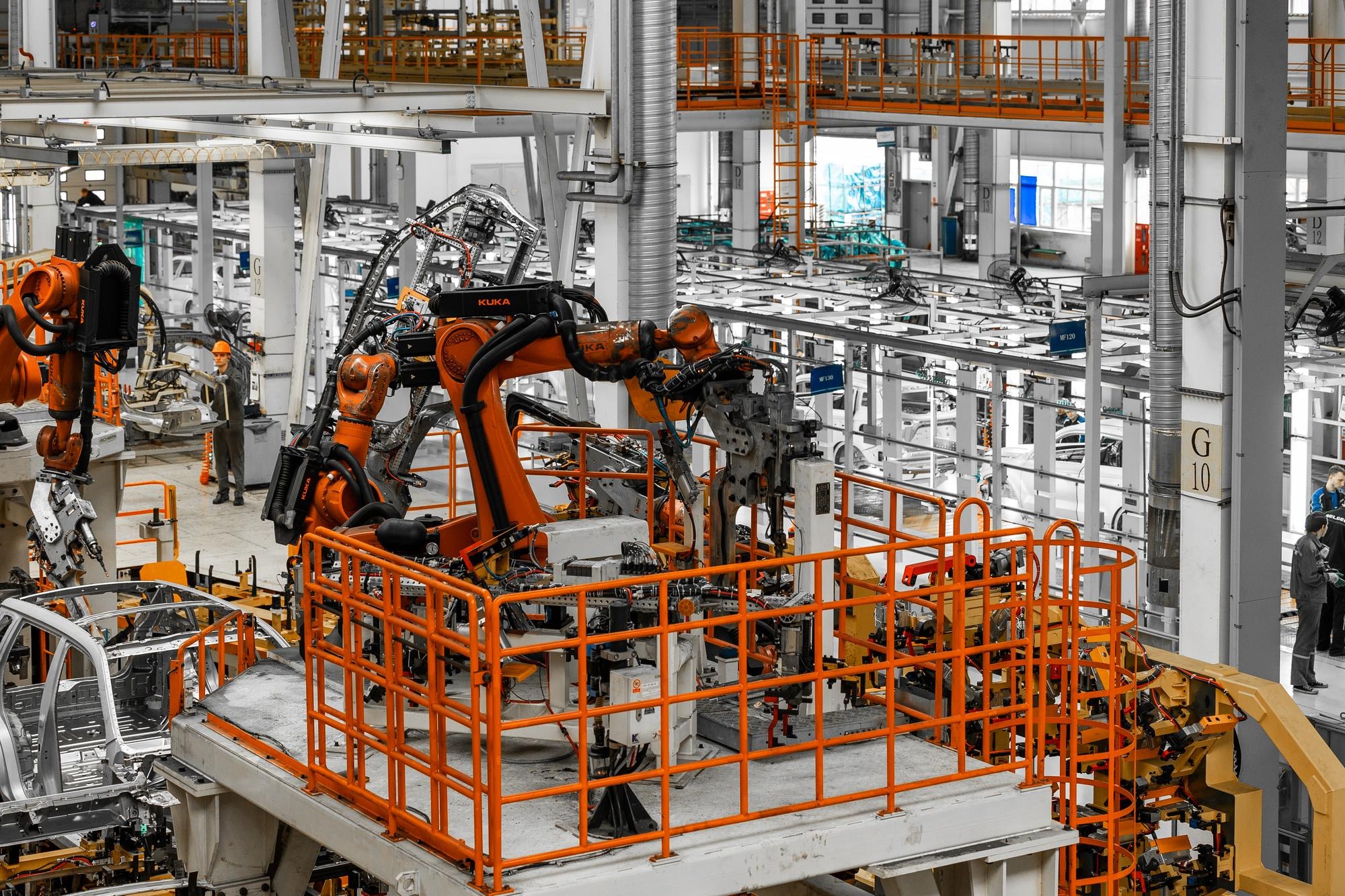
In manufacturing, every minute of unexpected downtime affects productivity, delivery schedules, and profitability. As factories become increasingly automated, Condition Monitoring has evolved into a key component of predictive maintenance strategies.
Critical assets such as electric motors, bearings, gearboxes, conveyors, and compressors are monitored using vibration analysis, thermography, ultrasound, and oil analysis to identify developing faults before they interrupt production. Modern IIoT platforms further strengthen this approach by continuously collecting machine health data and identifying abnormal trends in real time.
Industry case studies from SKF have shown how early detection of bearing defects and mechanical looseness has helped manufacturers avoid costly equipment failures while significantly reducing emergency maintenance requirements. Rather than reacting to breakdowns, maintenance teams can schedule repairs during planned shutdowns, improving both equipment availability and production efficiency.
Key Takeaway
For manufacturers, Condition Monitoring is ultimately about keeping production moving. Reliable machine health information enables smarter maintenance decisions, reduces downtime, and improves operational performance.
Wind Energy: Improving Reliability from a Distance

Wind farms often operate in remote or offshore locations where maintenance is expensive, and access depends on weather conditions. In these environments, Condition Monitoring helps operators decide when maintenance is genuinely required rather than relying on routine inspections.
Critical components such as gearboxes, main bearings, generators, blades, and yaw systems are monitored using vibration analysis, oil condition monitoring, temperature sensors, and SCADA data. Continuous monitoring enables maintenance teams to identify abnormal behaviour early, allowing repairs to be planned before failures lead to prolonged downtime or costly crane mobilisations.
Industry case studies from SKF demonstrate that remote monitoring and AI-assisted diagnostics have helped wind farm operators reduce false alarms, improve maintenance planning, and maximise turbine availability while lowering operational costs.
Key Takeaway
For wind energy, the greatest advantage of Condition Monitoring is reducing uncertainty. Remote diagnostics help operators maximise energy production while minimising unnecessary maintenance.
Railways: Monitoring for Safe and Reliable Operations

Reliability in the railway industry is measured not only by operational efficiency but also by passenger safety. Every wheelset, axle bearing, rail, and signalling component must perform consistently under continuous service.
Modern railway operators increasingly rely on wayside Condition Monitoring systems that inspect trains while they remain in operation. Technologies such as hot axle box detectors, wheel impact load detectors, acoustic bearing monitoring, and track geometry measurement systems help identify developing defects before they affect safety or service reliability.
By combining automated inspection systems with predictive maintenance strategies, railway organisations can reduce unplanned maintenance, improve fleet availability, and minimise service disruptions without compromising safety.
Key Takeaway
For railways, Condition Monitoring is a proactive safety strategy that improves asset reliability while helping prevent failures before they affect passengers or infrastructure.
Aerospace: Reliability Where Failure Is Not an Option
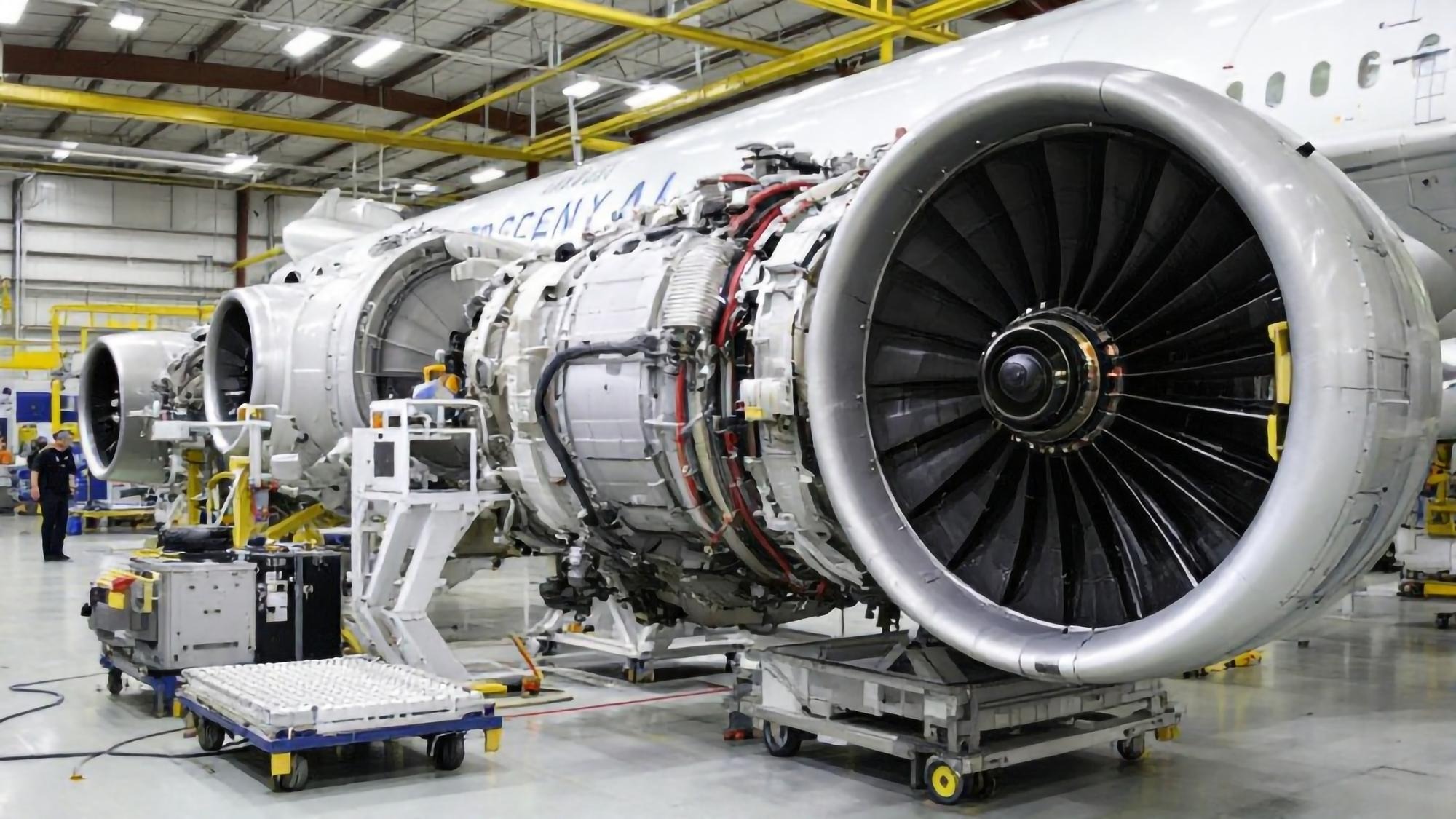
Few industries operate under stricter reliability requirements than aerospace. Every maintenance decision must be supported by accurate condition data to ensure aircraft safety and operational integrity.
Engine Health Monitoring systems continuously assess engine performance, while Structural Health Monitoring techniques help detect fatigue, corrosion, impact damage, and defects in composite structures. Advanced NDT methods, including ultrasonic testing, eddy current testing, and acoustic emission, play a vital role in identifying early-stage deterioration that may not be visible during routine inspections.
Research by organisations such as NASA continues to advance real-time Structural Health Monitoring technologies, enabling more informed maintenance planning while supporting safer and more efficient aircraft operations.
Key Takeaway
In aerospace, Condition Monitoring provides confidence for every maintenance decision by ensuring critical assets continue to operate safely throughout their service life.
Different Industries, One Common Goal
Although every industry applies Condition Monitoring differently, the principles behind successful programmes remain remarkably consistent.
The first step is identifying the assets whose failure would have the greatest operational or safety impact. Monitoring technologies are then selected based on the most likely failure mechanisms rather than applying a single solution across every piece of equipment. More importantly, organisations use the collected data to support maintenance decisions, not simply to generate reports.
Another common characteristic is the growing integration of digital technologies. Artificial intelligence, Industrial Internet of Things (IIoT) platforms, cloud analytics, and Digital Twins are enabling organisations to move beyond fault detection towards predictive decision-making. However, technology alone does not improve reliability. Skilled engineers remain essential for interpreting data, understanding equipment behaviour, and deciding the most appropriate maintenance actions.
Regardless of the industry, the organisations achieving the greatest success are those that combine reliable inspection data with engineering expertise and a structured maintenance strategy.
Conclusion
Condition Monitoring has evolved into a strategic reliability tool across every major industrial sector. While each industry faces different operational challenges, from corrosion in Oil & Gas and production downtime in manufacturing to remote wind turbines and safety-critical aerospace assets, the objective remains the same: detecting equipment degradation before it becomes failure.
As industrial assets become increasingly connected, the future of reliability will depend less on conducting more inspections and more on making better maintenance decisions. Organisations that understand their critical assets, select the right monitoring techniques, and act on meaningful condition data will be better positioned to improve safety, maximise asset performance, and reduce lifecycle costs in an increasingly competitive industrial landscape.

There are no comments yet!