
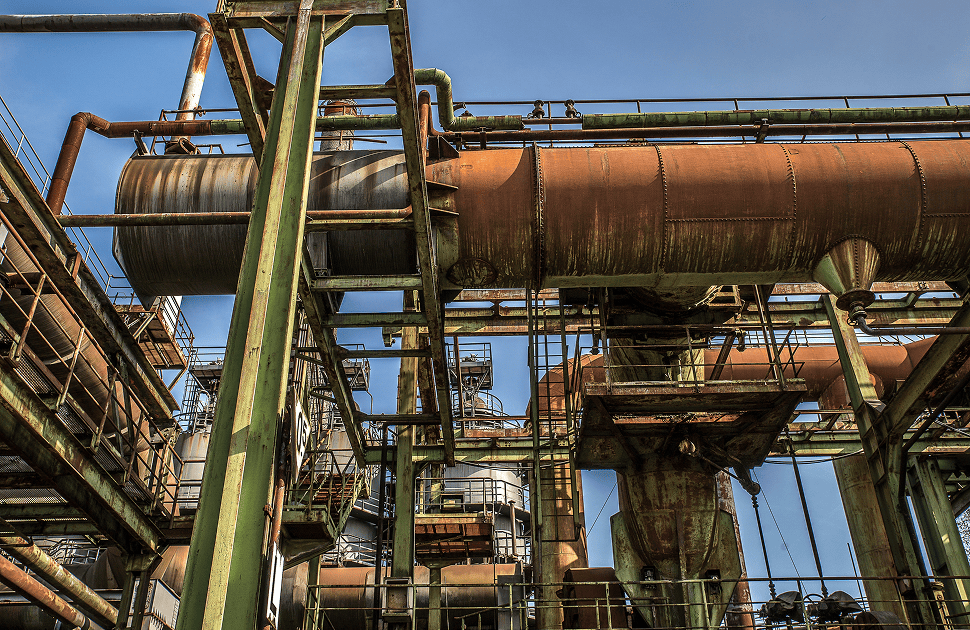
Pipelines form the backbone of fluid transfer systems in oil and gas terminals. They connect storage tanks, pumping stations, marine loading arms, truck and rail loading racks, and processing units. Through these interconnected networks, large volumes of hydrocarbons are transported continuously under controlled pressure and flow conditions. Because these pipelines handle flammable, hazardous, and often high-value products, maintaining their integrity is essential for safe, environmentally responsible, and efficient terminal operations.
Pipeline failures in terminal environments can have severe consequences, including fire or explosion hazards, environmental contamination, product loss, operational disruptions, and reputational damage. For this reason, systematic pipeline inspection and integrity management programs are fundamental elements of terminal operation and maintenance practices. A well-designed inspection strategy allows operators to identify degradation mechanisms at an early stage and take preventive measures before failures occur.
Because of these complexities, pipelines within terminals require a structured inspection and monitoring program to ensure long-term reliability.
1. Common Degradation Mechanisms in Terminal Pipelines
Understanding the typical failure mechanisms affecting pipelines is essential for designing an effective inspection program.
1.1 Internal Corrosion
Internal corrosion occurs when chemical or electrochemical reactions between the pipeline material and the transported fluid gradually degrade the internal pipe wall, leading to metal loss and potential integrity issues. In hydrocarbon pipelines, this type of corrosion is often driven by water contamination within the hydrocarbon stream, which can create localized electrochemical cells that accelerate metal dissolution. Dissolved gases such as hydrogen sulfide (H₂S) and carbon dioxide (CO₂) can further exacerbate corrosion by forming acidic solutions in contact with the metal surface. Microbiologically influenced corrosion (MIC), caused by the activity of certain bacteria that produce corrosive byproducts, can lead to highly localized pitting and material loss.
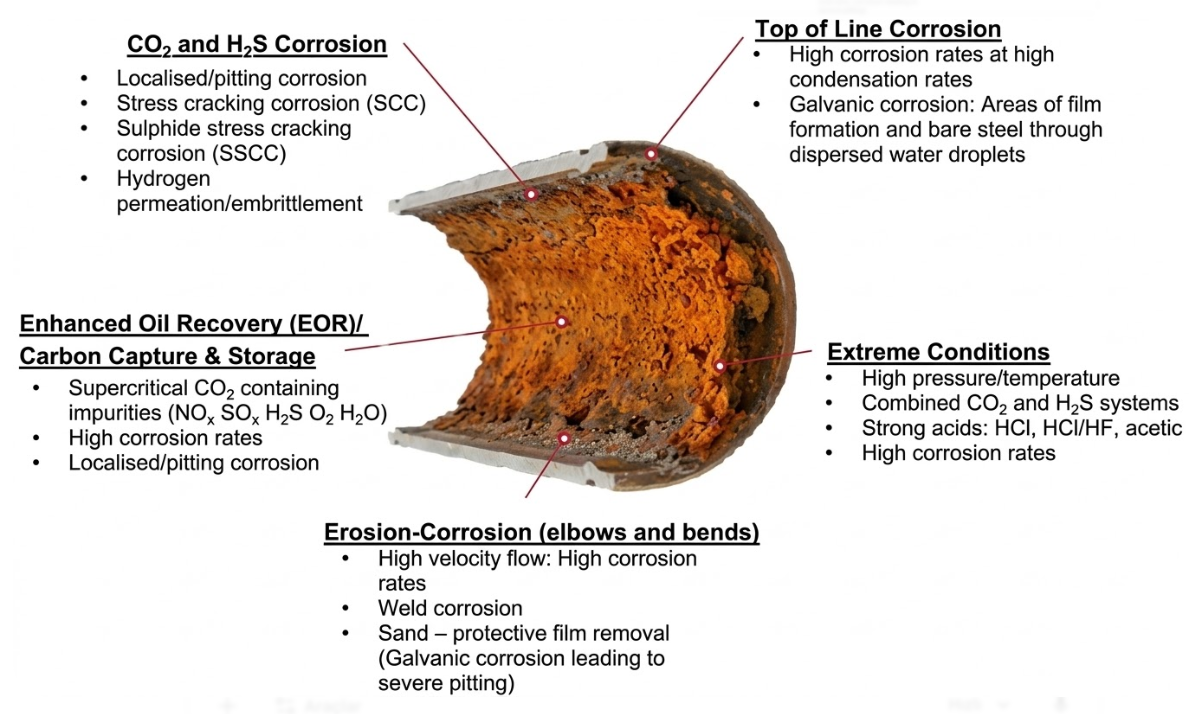
. 1İnternal Corrosion
Additionally, acidic or sulfur-containing compounds naturally present in crude oil may attack the pipe material over time, gradually thinning the wall and reducing structural integrity. If left undetected, internal corrosion can result in leaks, ruptures, and operational downtime, making routine monitoring and mitigation strategies such as corrosion-resistant materials, and internal coatings essential for safe pipeline operation.
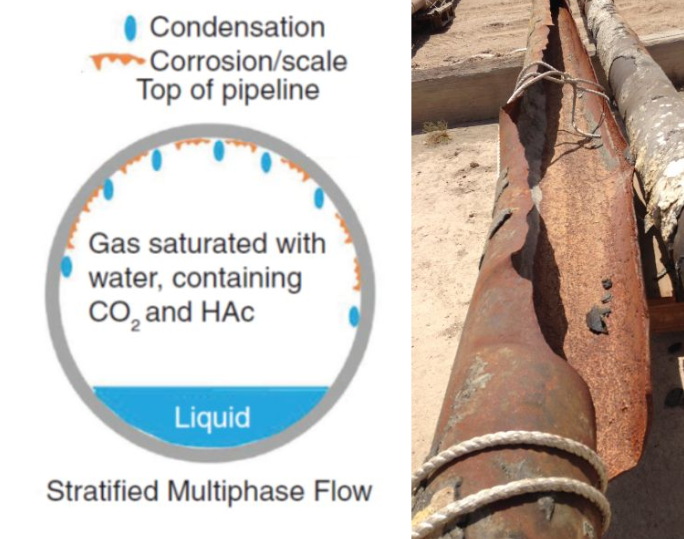
. 2Corrosion top of pipeline
1.2.External Corrosion
External corrosion develops on the outer surface of pipelines and is primarily driven by environmental exposure and the degradation of protective barriers. The most immediate contributing factor is damage or deterioration of protective coatings, which normally shield the metal from direct contact with moisture and oxygen.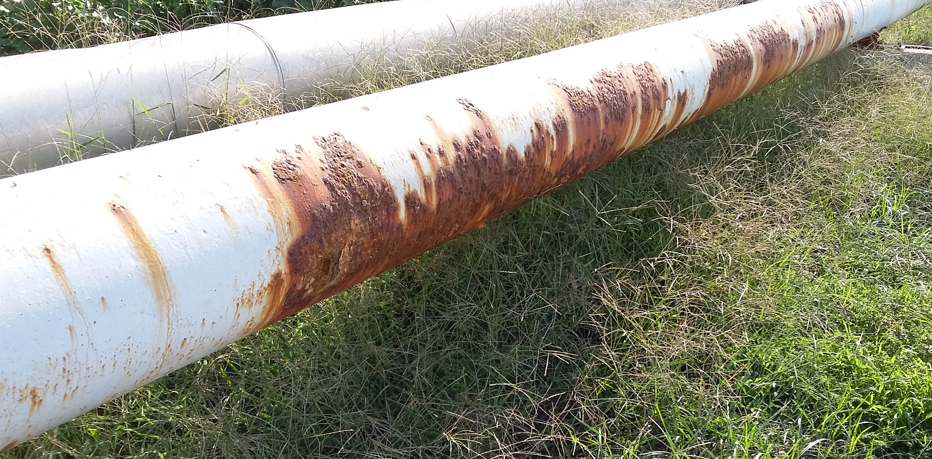
. 3 External Surface Corrosion
When coatings are compromised, water, oxygen, and other corrosive agents in the environment can interact with the pipe surface, initiating and accelerating the corrosion process. In buried pipelines, soil conditions such as acidity, moisture content, and chemical composition play a critical role in the rate and severity of corrosion. Stray electrical currents from nearby electrical systems can also induce corrosion through electrochemical reactions on the pipeline surface. Additionally, ineffective or improperly maintained cathodic protection systems which are designed to counteract corrosion by providing a controlled electrical current can leave sections of the pipeline vulnerable. Over time, these factors can result in significant material loss, weakening the structural integrity of the pipeline and increasing the risk of leaks or failures if not detected and mitigated through regular inspection and maintenance.
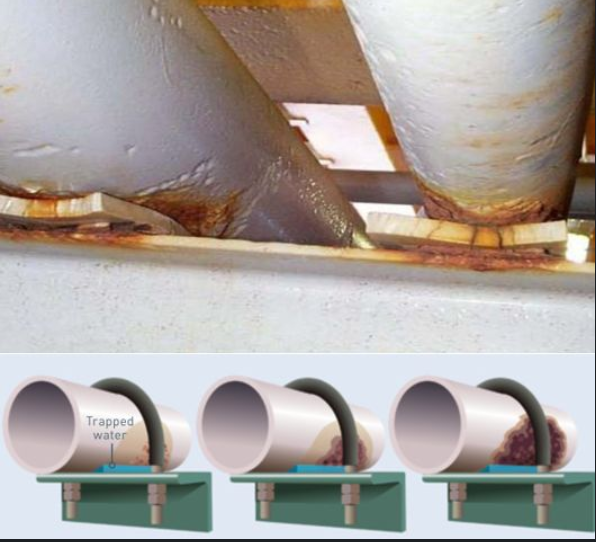
. 4 Trapped Water Corrosion
1.3. Mechanical Damage
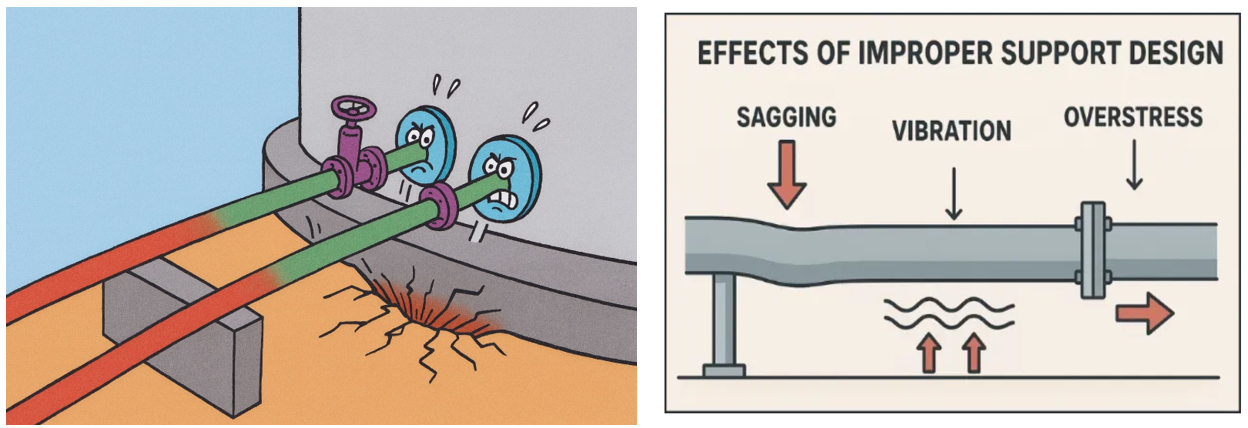
. 5 Mechanical Damage
Mechanical damage in pipelines can arise from a variety of operational and external factors that introduce abnormal stresses or physical impact on the system. One of the most common causes is impact from vehicles or mobile equipment operating near the pipeline, particularly in industrial facilities where forklifts, trucks, or heavy machinery frequently move through pipe rack areas.
Damage may also result from improper pipe supports or misalignment, which can create uneven load distribution and lead to localized stresses over time. Thermal expansion and contraction during normal operating cycles can generate significant stresses if expansion allowances are insufficient or if the pipeline is improperly constrained. In addition, vibrations generated by pumps, compressors, or other rotating equipment can gradually weaken pipe connections, supports, and welds when not properly isolated or dampened. Mechanical damage can also occur during maintenance activities, especially when work is carried out without adequate protection of nearby piping systems or when improper tools and handling practices are used. Over time, these factors may lead to deformation, cracks, or structural weakening of the pipeline, potentially compromising the integrity and safe operation of the system.
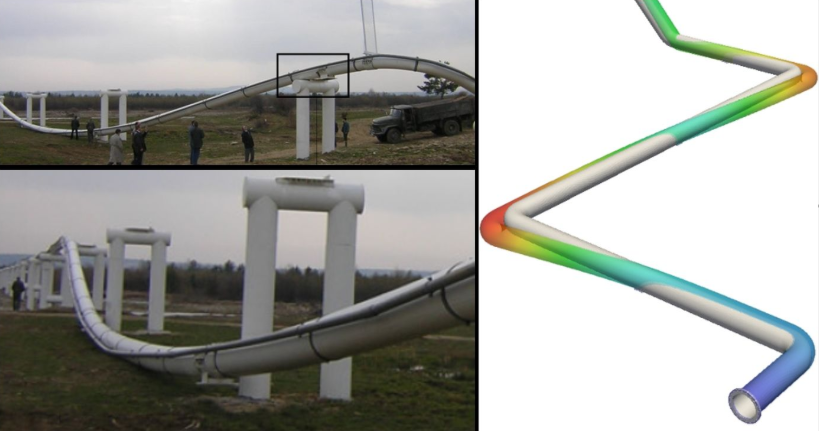
. 6 Thermal Expension
1.4. Erosion
Erosion is a form of mechanical wear caused by the high-velocity flow of fluids carrying solid particles, liquid droplets, or other entrained materials that repeatedly impact the internal surface of a pipeline. Over time, these impacts remove small amounts of material from the pipe wall, gradually thinning the metal and potentially leading to loss of containment if not detected in time.
In terminal pipelines, erosion is most commonly observed in areas where the flow velocity increases or where turbulence is generated. Typical locations include pump discharge lines, pipe bends, reducers, tees, and control valves. In these sections, changes in flow direction or cross-section create localized turbulence and accelerate the fluid stream, increasing the intensity of particle impingement on the pipe wall.
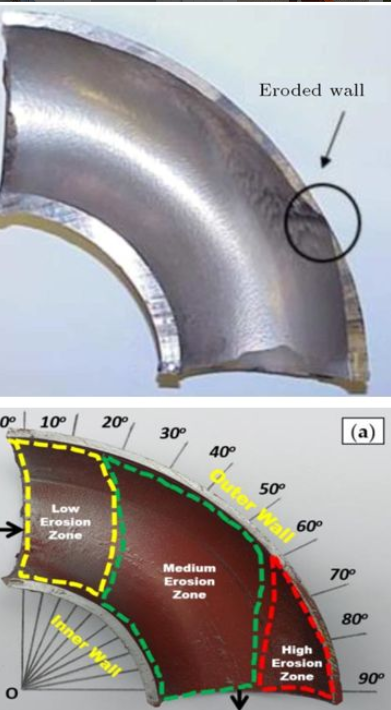
. 7 Erosion
The severity of erosion depends on several factors, including fluid velocity, particle size and concentration, material hardness, and flow regime. Even relatively small particles can cause significant damage when transported at high velocity over extended operating periods. In multiphase systems, such as lines carrying liquid and vapor phases, droplets can also contribute to erosive wear.
To mitigate erosion risks, proper pipeline design, controlled flow velocities, material selection, and periodic inspection methods such as ultrasonic thickness measurements are essential. Early identification of erosion-prone locations allows operators to implement preventive maintenance strategies before significant wall loss occurs.
2. Pipeline Inspection Techniques
A comprehensive pipeline inspection program typically combines several non-destructive examination (NDE) methods to detect different types of defects.
2.1 Visual Inspection
Visual inspection is one of the most fundamental yet essential inspection techniques used in pipeline integrity management. It involves the systematic examination of pipelines and associated components in order to identify visible signs of damage, deterioration, External corrosion or abnormal operating conditions. During these inspections, particular attention is given to external corrosion that may develop on the pipe surface due to environmental exposure, as well as damage or degradation of protective coatings that normally serve as the first barrier against corrosion. Inspectors also evaluate the adequacy and condition of pipe supports, since poor or misaligned supports can lead to excessive stress and long-term structural problems.
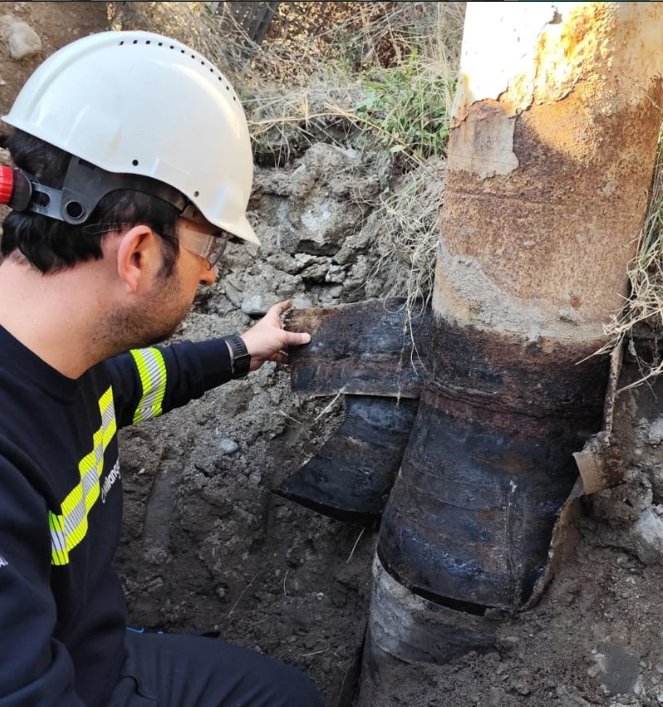
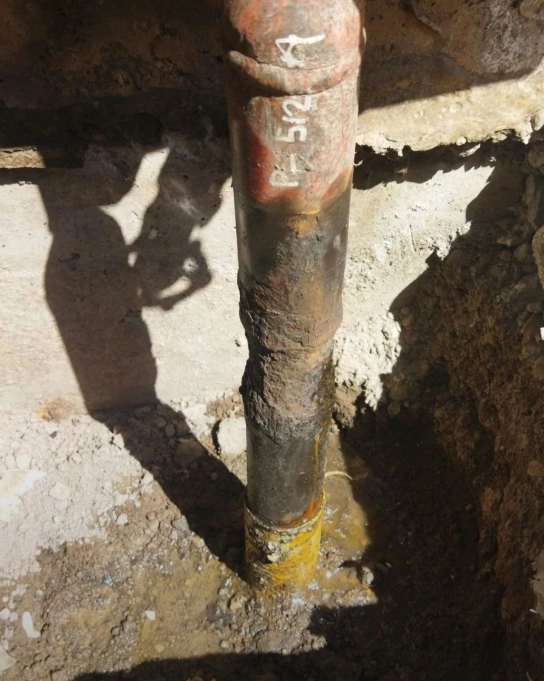
. 8 Soil Air İnterface Corrosion
In addition, the pipeline is checked for any form of deformation such as dents or bending that could indicate mechanical stress or external loading. The integrity of flanges and the condition of gaskets are also carefully assessed because leakage or misalignment in these components may compromise system tightness. Finally, inspectors look for evidence of mechanical impact or external interference, such as marks caused by vehicles, tools, or nearby construction activities. Although visual inspection is a relatively simple and low-cost method, when carried out regularly and systematically it can provide valuable early warning signs of integrity issues, allowing corrective actions to be implemented before minor defects evolve into serious operational or safety risks.
2.2. Ultrasonic Thickness Measurement (UT)
Ultrasonic testing is one of the most widely used techniques for monitoring corrosion in pipelines. Using ultrasonic waves, inspectors can measure the remaining wall thickness of pipes without removing them from service.
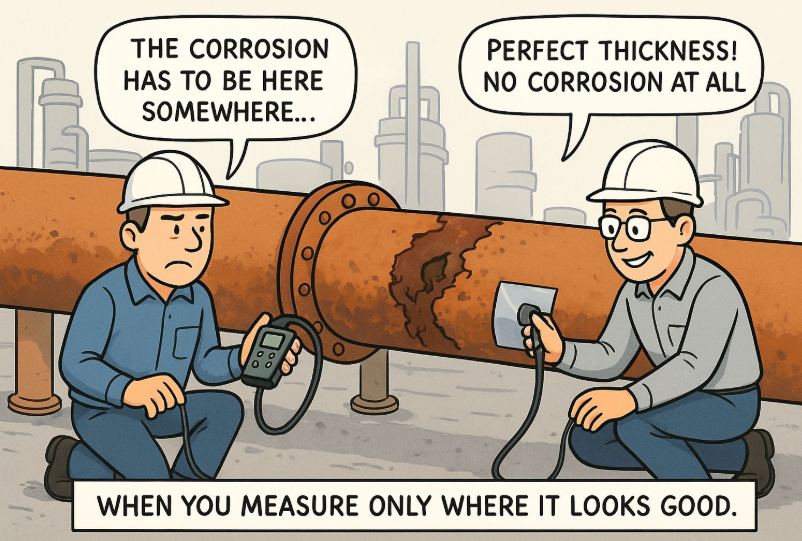
. 9 Corrosin Monitoring Locations
Thickness measurements are typically taken at predefined corrosion monitoring locations (CMLs). By repeating measurements periodically, engineers can calculate corrosion rates and estimate the remaining service life of the pipeline.
2.3. Radiographic Testing (RT)
Radiographic Testing (RT) is a non-destructive examination technique that uses X-rays or gamma rays to evaluate the internal structure of pipeline welds and pipe sections without damaging the material. The method works by passing radiation through the component and capturing the transmitted rays on a detector or radiographic film, producing an image that reveals variations in material density. These variations allow inspectors to identify internal defects that cannot be detected through visual inspection alone.
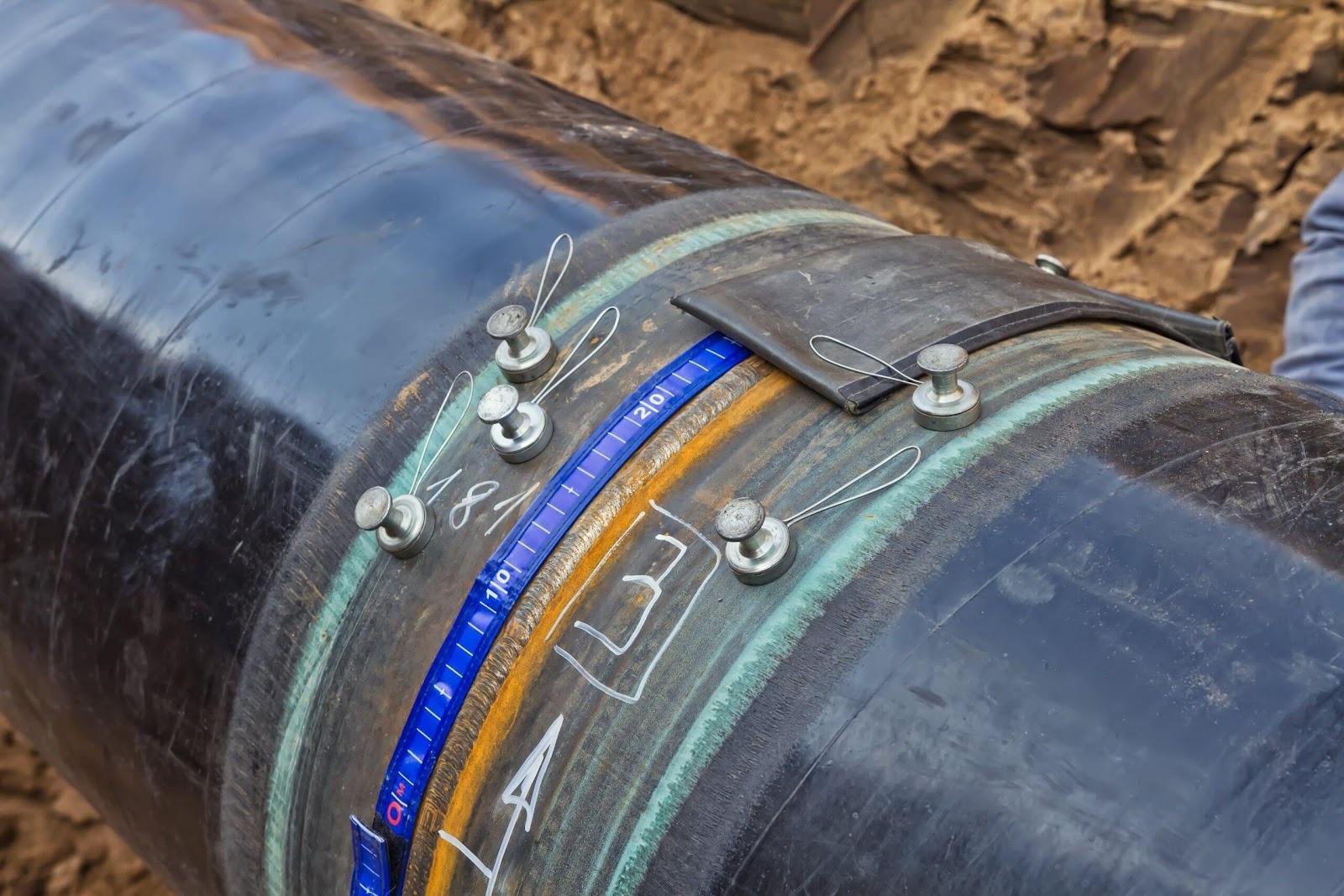
. 10 Radiographic Test
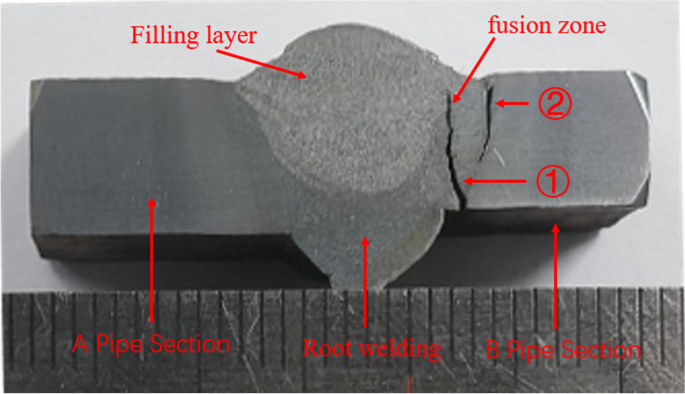
. 11 Radgrofik Inspection
Radiographic testing is particularly effective in detecting weld-related imperfections such as lack of fusion between weld metal and base material, internal porosity formed by trapped gases during welding, cracks that may develop due to thermal stresses or material defects, and slag inclusions resulting from improper welding practices. Because of its ability to provide a clear representation of internal weld quality, radiography is widely used during pipeline construction, fabrication, and major repair activities to verify that welds meet required quality and safety standards before the pipeline is placed into service.
2.4. Magnetic Particle Inspection (MPI)
Magnetic particle inspection is used to detect surface and near-surface cracks in ferromagnetic materials. It is frequently applied to welded joints, flanges, and fittings where stress concentrations occur.
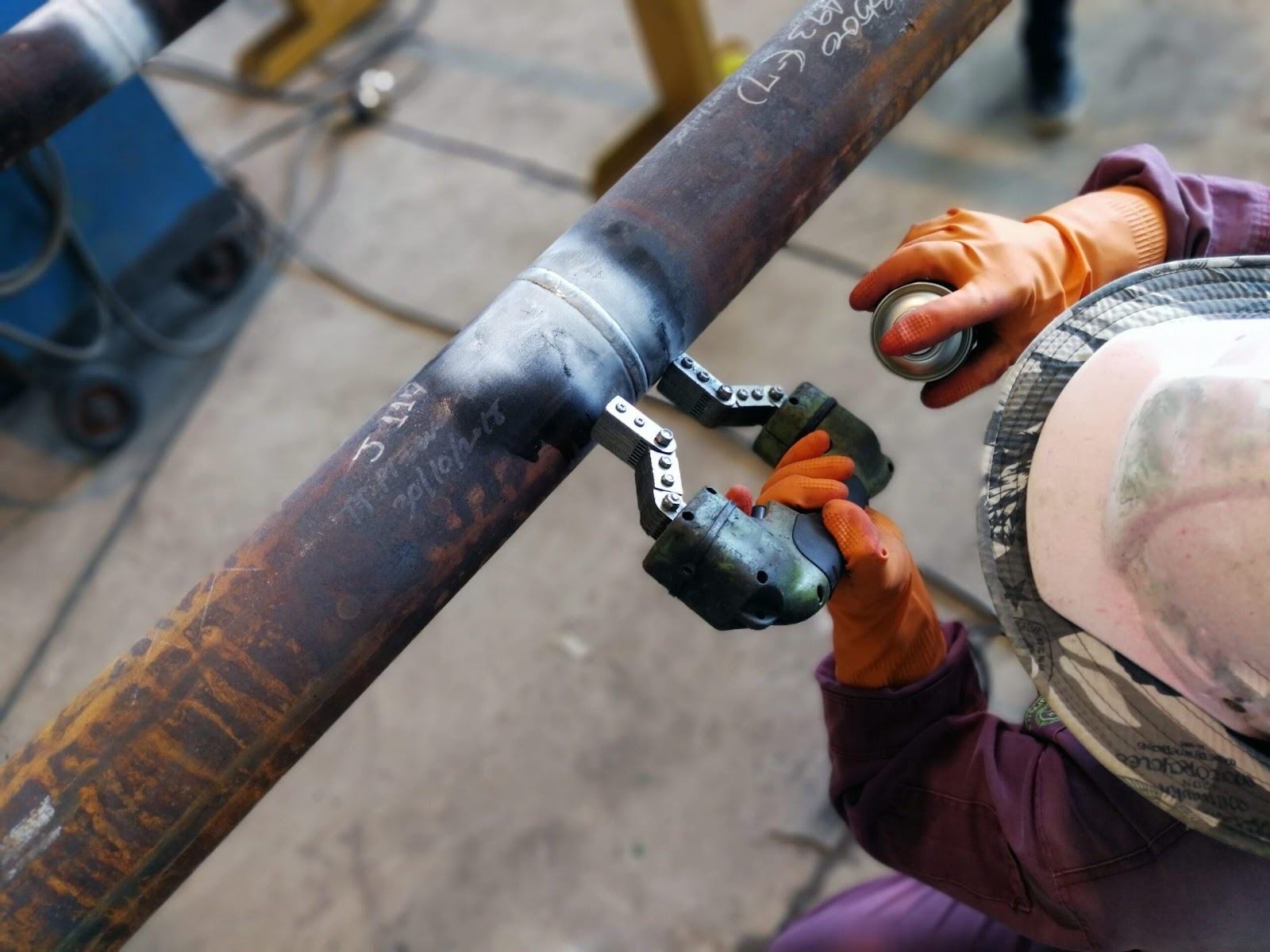
. 12 Magnetic Particle Inspection
2.5. Dye Penetrant Testing (PT)
Dye penetrant testing is another method used to detect surface-breaking cracks. A liquid penetrant is applied to the surface and allowed to seep into cracks, which are then revealed using a developer.
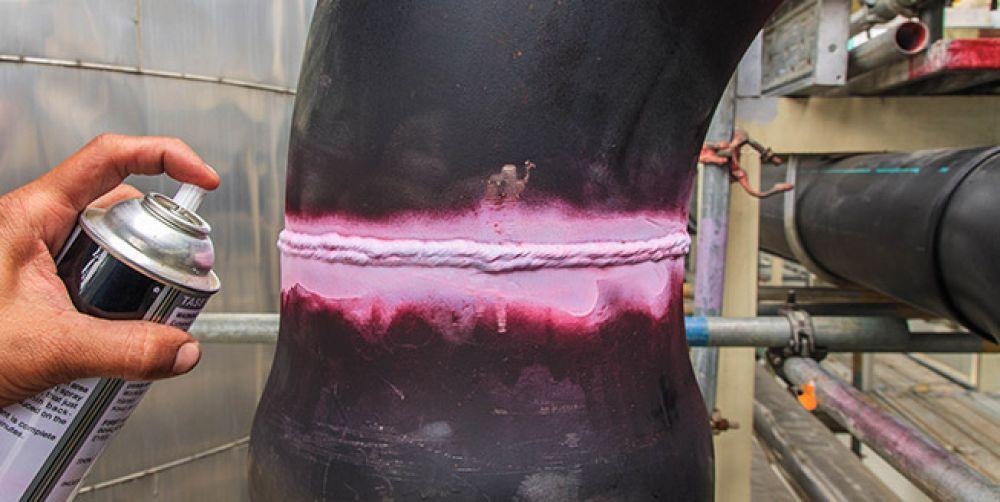
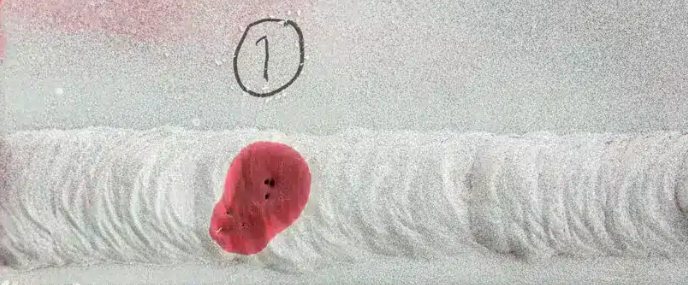
. 13 Penetrant Test
This method is often used in combination with other inspection techniques during maintenance shutdowns.
2.6. In-Line Inspection (Intelligent Pigging)
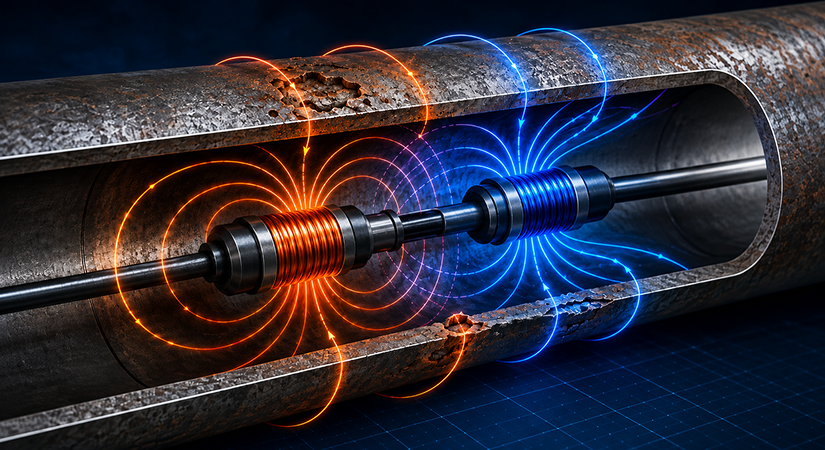
In-line inspection (ILI), commonly referred to as intelligent pigging, is an advanced non-destructive inspection technique used to assess the internal condition of pipelines while they remain in operation. In this method, specialized inspection tools known as intelligent pigs travel through the pipeline, propelled by the product flow, and collect detailed data on the pipe’s structural integrity. These tools are equipped with sophisticated sensors capable of identifying a wide range of defects, including corrosion, metal loss, cracks, dents, and geometric deformations that may affect pipeline performance and safety.
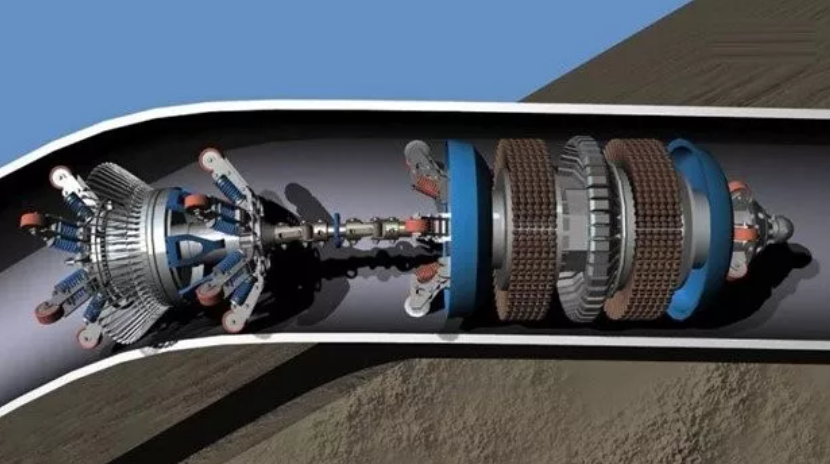
. 14 Pigging
Several technologies are commonly employed in intelligent pigging systems, such as Magnetic Flux Leakage (MFL) for detecting metal loss and corrosion, ultrasonic inspection for accurately measuring wall thickness and identifying internal defects, and caliper tools that measure pipeline geometry to detect dents, ovalization, or other dimensional changes. Although pipelines within storage terminals are often shorter and contain more bends, valves, and complex routing compared to long-distance transmission pipelines, intelligent pigging can still be effectively applied in certain transfer lines or straight sections where pipeline geometry and operational conditions permit the passage of inspection tools.
2.7. Guided Wave Testing (GWT)
Guided Wave Testing (GWT) is a non-destructive inspection technique used to evaluate the condition of pipelines over relatively long distances from a single test location. The method works by introducing low-frequency ultrasonic waves into the pipe wall using specialized transducers mounted around the circumference of the pipe. These waves travel along the length of the pipeline and reflect back when they encounter changes in geometry or material condition, such as corrosion, wall thinning, cracks, or other structural anomalies. By analyzing the reflected signals, inspectors can identify and estimate the location of potential defects without the need to access the entire pipeline surface.
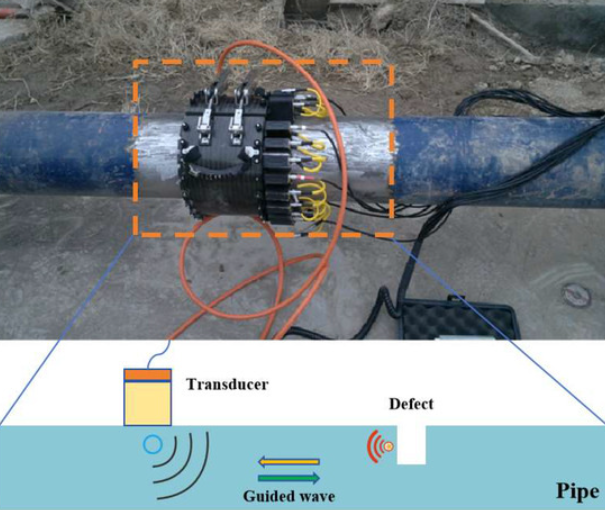
. 15 Guided Wave Testing
Guided wave testing is particularly useful for inspecting pipelines in areas that are difficult to access, such as sections buried underground, pipes passing through walls, or pipelines located under insulation or supports. In terminal facilities, this technique is often applied as a screening tool to quickly assess long pipe segments and identify areas that may require more detailed inspection using other non-destructive testing methods. While guided wave testing does not typically provide the same level of precise defect sizing as some other techniques, it offers significant advantages in terms of speed, coverage distance, and reduced need for extensive excavation or insulation removal.
3. Corrosion Monitoring and Prevention
Because corrosion is one of the most significant threats to pipeline integrity, effective corrosion control programs are essential. Corrosion gradually reduces pipe wall thickness and may eventually lead to leaks, ruptures, and serious safety or environmental incidents if it is not properly monitored and controlled.
To effectively manage corrosion, operators implement corrosion monitoring programs that combine several techniques. These may include periodic ultrasonic thickness measurements, corrosion coupons, electrical resistance probes, and smart pigging inspections where applicable. Regular monitoring allows engineers to track corrosion rates and identify areas where wall loss is occurring before the integrity of the pipeline is compromised.
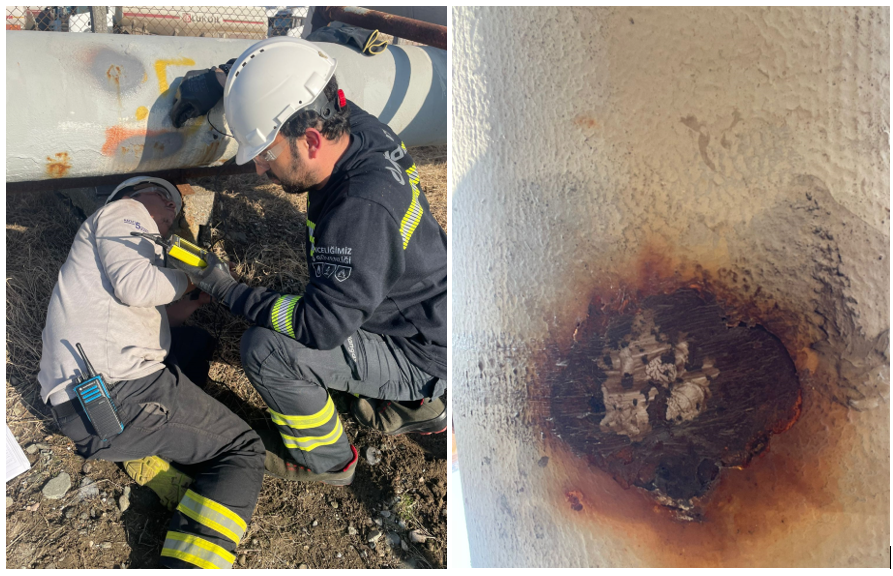
. 16 Ultrasonic Thickness Measurement
Preventive measures are equally important. Proper material selection, protective coatings, and cathodic protection systems are widely used to prevent external corrosion. For internal corrosion control, operators may apply corrosion inhibitors, remove water from the system, or improve filtration to reduce contaminants. Maintaining proper operating conditions and performing routine inspections are also key elements of a comprehensive corrosion management strategy.
3.1. Protective Coatings
Protective coatings act as a barrier between the metal surface and the environment. Properly applied coatings significantly reduce the rate of external corrosion.
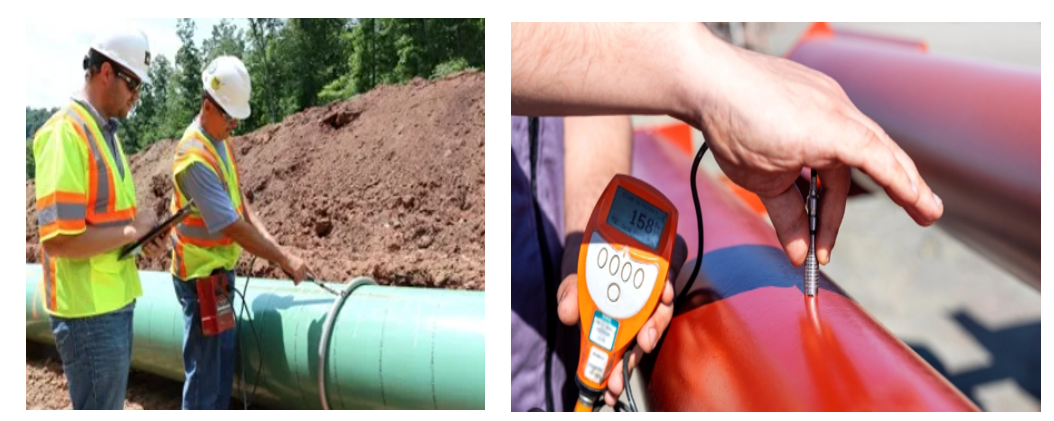
. 17 Holiday Testi and Paint thickness Measurement
However, coatings may degrade over time due to environmental exposure, mechanical damage, or improper application. Regular inspection is therefore necessary to identify coating defects.
3.2. Cathodic Protection
Cathodic protection is a critical method for preventing corrosion on pipelines by applying a controlled electrical current that counteracts the natural electrochemical reactions responsible for metal degradation. This technique effectively shifts the pipeline to a cathodic state, reducing or halting the corrosion process.
Two primary types of cathodic protection systems are commonly employed: sacrificial anode systems, which use more reactive metals to corrode in place of the pipeline, and impressed current systems, which rely on an external power source to provide a continuous protective current. Cathodic protection is especially vital for buried pipelines and those exposed to highly corrosive environments, such as soils with high moisture or aggressive chemical content, where the risk of external corrosion is significant.
4. Risk-Based Inspection (RBI)
Risk-Based Inspection (RBI) represents a modern approach to pipeline integrity management, moving beyond traditional fixed-interval inspection programs by prioritizing inspections based on risk. RBI involves evaluating both the probability of failure and the potential consequences for each pipeline segment, allowing inspection and maintenance efforts to focus on areas that pose the highest risk to safety, the environment, and operational continuity. Key factors considered in an RBI assessment include operating conditions such as pressure and temperature, the type of product being transported, historical corrosion or damage data, pipeline age, environmental sensitivity, proximity to populated or critical areas, and the operational importance of the pipeline segment. By integrating these factors, RBI enables terminal operators to optimize inspection intervals, allocate resources more efficiently, and proactively address potential integrity issues before they result in failures. This data-driven approach enhances safety, reduces unplanned downtime, and supports cost-effective maintenance planning.
5. Conclusion
Pipeline inspection is a critical element of safe and reliable operations in oil and gas terminals. Because pipelines transport large volumes of flammable hydrocarbons under pressure, even minor defects can lead to significant safety and environmental risks if left undetected.
A comprehensive pipeline integrity program should include regular visual inspections, non-destructive testing techniques, corrosion monitoring, and risk-based inspection methodologies. Combining these approaches allows terminal operators to detect early signs of degradation and implement timely maintenance actions.
In modern oil and gas terminals, digital inspection management systems and advanced diagnostic tools are further enhancing the ability of engineers to monitor pipeline condition and predict potential failures. Through systematic inspection and proactive integrity management, operators can extend pipeline service life, protect personnel and the environment, and ensure the uninterrupted transfer of hydrocarbon products.
Author: Onur Ozutku
There are no comments yet!