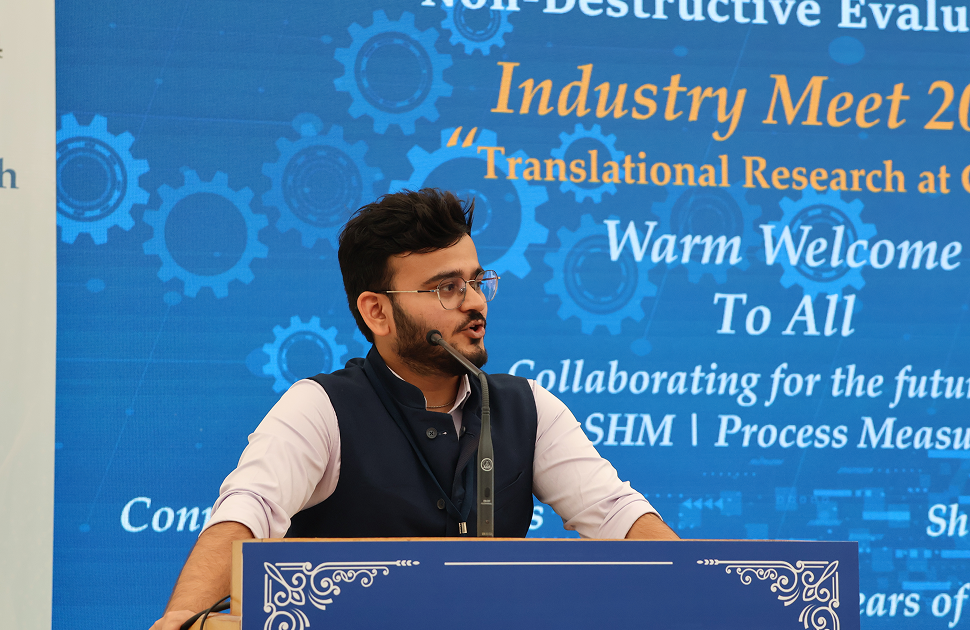
The Non-Destructive Testing and Evaluation industry has always been built on one fundamental idea, trust. Trust in data, trust in process, and most importantly, trust in people. As we move toward 2026, the very meaning of that trust is evolving. NDT is no longer just about inspection or compliance. It is about intelligence, interpretation, and the ability to see beyond the visible.
Quality as the Foundation of Growth
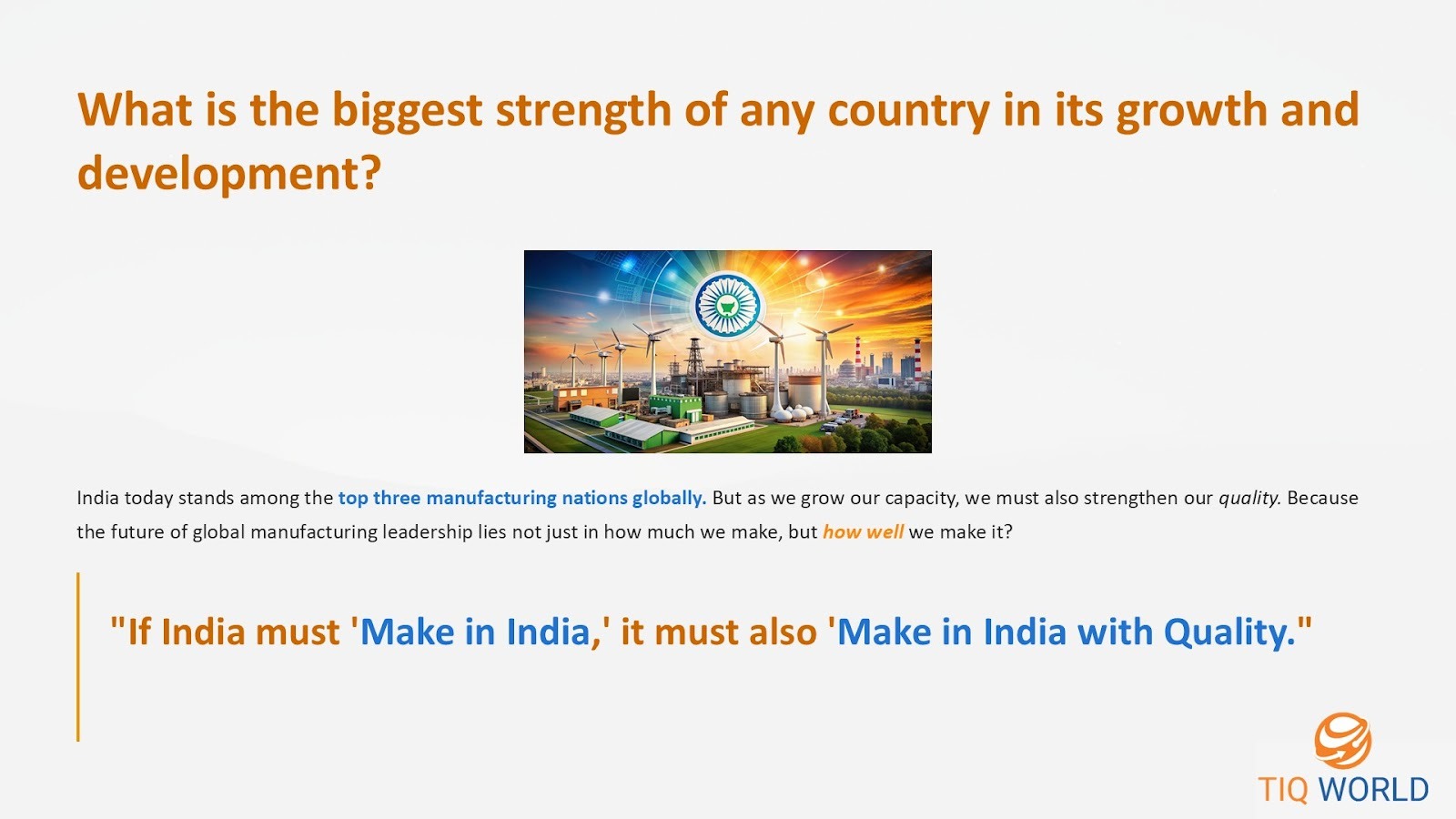
Every country measures progress in its own way. Some measure it by scale, others by speed, but the true measure lies in quality. India today stands among the top three manufacturing nations in the world, an achievement built through decades of persistence and innovation. Yet the next phase of growth will be defined not by how much we make, but by how well we make it.
The Government of India’s Viksit Bharat 2047 mission has clearly set this direction. It envisions a developed India that leads through innovation, sustainability, and quality. The upcoming AI Summit 2026 also reflects this intent by exploring how artificial intelligence and digital systems can enhance manufacturing, logistics, and inspection.
Within this larger national vision, manufacturing quality stands as the true superstructure. It is the superset that binds design, production, and reliability. Inside this framework lies the heart of NDT and NDE, ensuring that every component, every weld, and every structure that carries the name Made in India is worthy of trust.
If India must Make in India, it must also Make in India with Quality. That quality depends on how training, inspection, and quality management work together. These three elements form the foundation of industrial excellence and represent the direction in which our ecosystem must evolve.
The Balance of Artificial and Human Intelligence
The next few years will define how we combine human wisdom with technological power. Around the world, industries are entering what can be called NDE 5.0, where digital systems no longer replace human expertise but strengthen it.
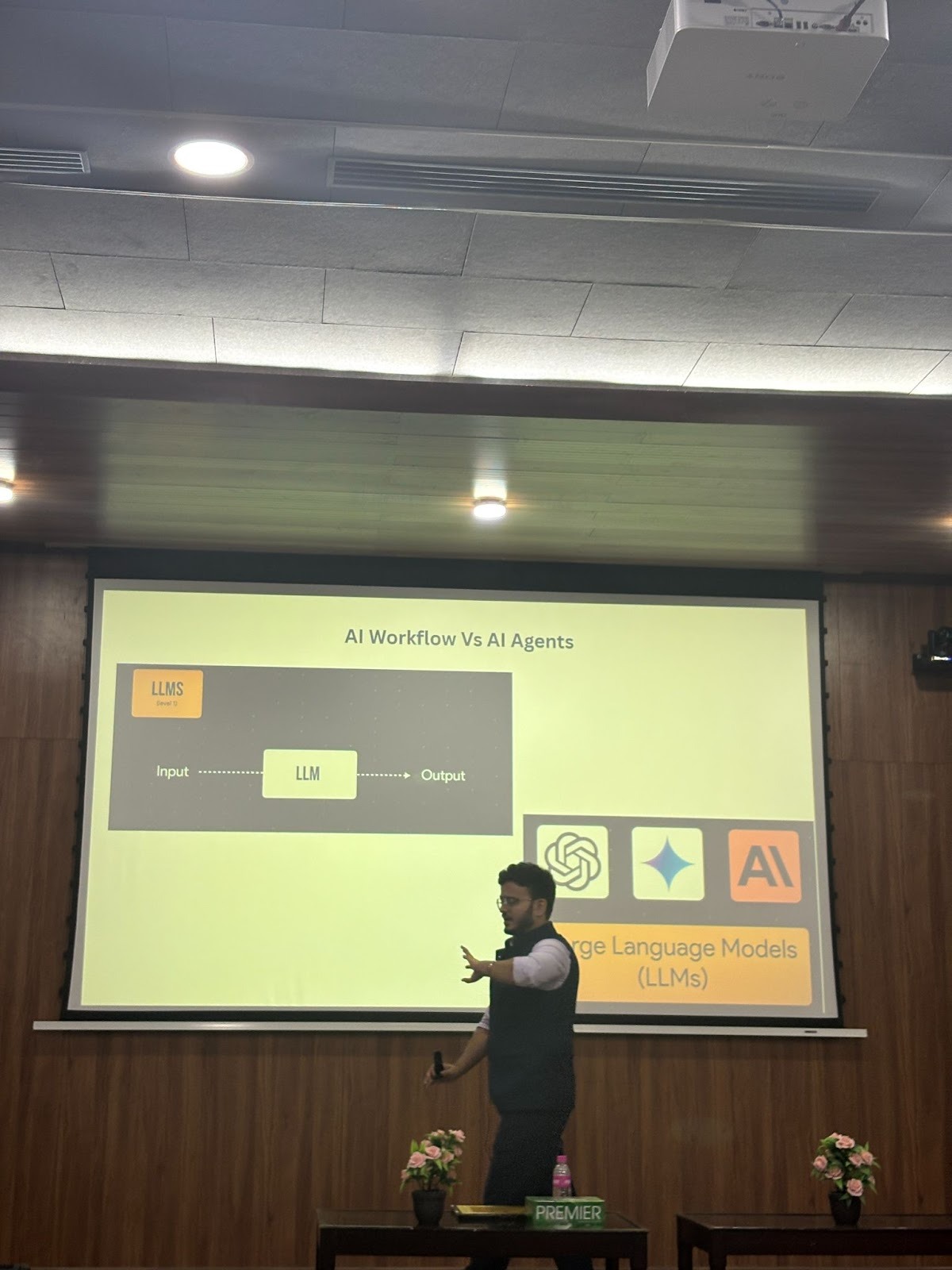
Artificial intelligence brings speed, pattern recognition, and analytical precision. Yet in a field like NDT, where every decision carries immense responsibility, complete automation is neither safe nor desirable. Machines can detect anomalies, but meaning still requires a human mind. A sensor can collect a signal, but someone must decide whether that signal represents a risk or a tolerance.
This is where the idea of AI and HI, or Artificial Intelligence and Human Intervention, becomes essential. It is not a choice between human and machine, but a partnership between the two. AI can process vast amounts of data and highlight patterns that were once invisible, while human professionals interpret, validate, and take responsibility for those insights.
In this balance lies the essence of NDE 5.0. Digital tools bring consistency and traceability. Humans bring ethics, judgment, and accountability. The most successful organizations in 2026 will be those that understand this balance and build systems where machines assist, but people lead.
The Evolution of Learning and Expertise
The way we build skills has changed completely in the last few years. Before 2020, technical training was largely classroom based, guided by mentors and physical practice. After 2020, the world moved toward digital learning through online courses, virtual simulations, and remote collaboration.
Now, a new model is taking shape. The future of learning will be hybrid, blending online flexibility with hands-on experience. For NDT, this is not just a trend but a necessity. Inspection demands more than theoretical knowledge; it demands judgment built through practice.
However, the shift to digital has also raised important questions. Can online training create real field competence? Do digital certificates hold the same weight as traditional ones? Are trainers able to deliver complex technical subjects through virtual platforms without losing depth?
These are the questions that will shape the credibility of our workforce. The goal is not just to adopt hybrid learning but to ensure that it builds genuine expertise. In the years ahead, professionals will not stop learning after certification. They will continue to evolve through blended programs that connect theory, practice, and validation.
The Changing Face of Employment
The workforce transformation extends beyond learning. The process of hiring itself is undergoing a quiet change. Job seekers often struggle to find roles that match their skills, while recruiters face difficulty assessing talent beyond resumes. This gap affects productivity and slows down growth.
By 2026, the hiring model in NDT will shift from traditional resumes to verified competency profiles and more emphasis on Assessment of Skills, Validation of Credentials. Recruiters will be able to rely on digital credentials that represent real, validated skills, while candidates will gain visibility based on capability, not only experience. This shift will bring fairness, transparency, and efficiency to the entire ecosystem.
The result will be an employment model that values expertise and evidence over assumptions. It will link learning outcomes directly to professional growth, creating a continuous loop between education, verification, and opportunity.
The Four Pillars of Excellence
Sustainable transformation requires structure. In NDT and quality assurance, that structure rests on four essential pillars: People, Processes, Devices, and Systems.
People form the heart of this structure. A skilled workforce with verified competencies and continuous learning ensures reliability.
Processes provide the backbone. Standardized and traceable workflows maintain consistency and eliminate subjectivity.
Devices create confidence. Access to calibrated and verified tools through transparent marketplaces ensures every measurement is accurate.
Systems connect everything together. A digital infrastructure that integrates training, inspection, and quality builds intelligence into every operation.
When these four pillars work in harmony, excellence becomes a habit, not an outcome.
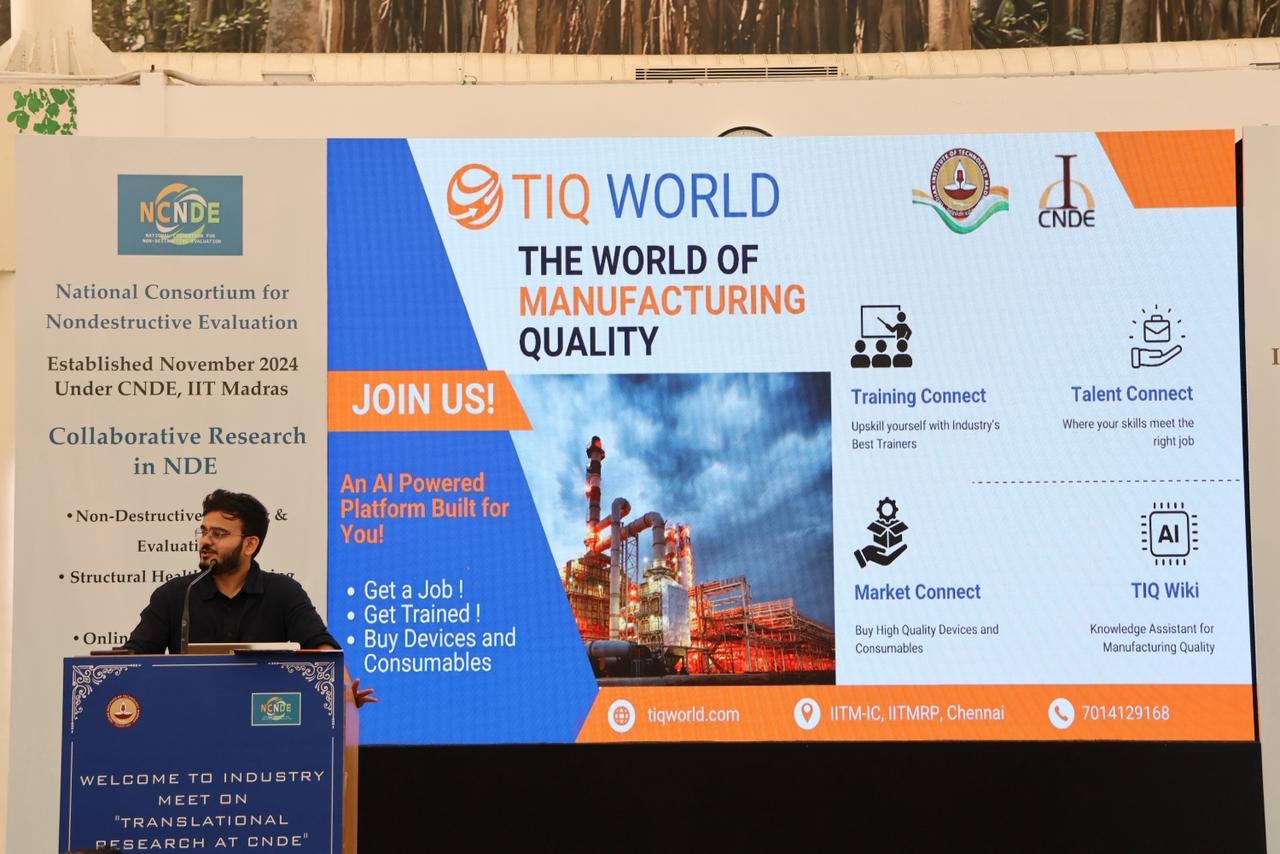
Platforms such as TIQ World are examples of this direction. TIQ stands for Training, Inspection, and Quality. Its purpose is to create a unified ecosystem where these three elements coexist, making learning continuous, inspections traceable, and quality measurable. It reflects the belief that technology must enhance human purpose and make expertise more accessible.
Vision 2026: From Measurement to Meaning
The next frontier for NDT is not only about faster inspections or smarter machines. It is about a deeper understanding. The future belongs to organizations and professionals who can turn inspection data into actionable intelligence.
India is entering a defining moment. With our manufacturing strength and growing digital capabilities, we have the opportunity to lead the world not just in quantity, but in quality. To achieve that, we must align technology, training, and trust into one continuous cycle of improvement.
If NDT once served as a validation step, it now stands at the center of innovation. It is the bridge between production and performance, the assurance that quality is not accidental but designed.
As we look toward 2026, one truth remains clear. Artificial Intelligence can bring precision, but only Human Intelligence can bring understanding. The future of NDT will belong to those who can harmonize the two, where technology enhances people and people guide technology.
The industries that understand this partnership will not only achieve excellence, they will define it.
These are my thoughtpoints, which I am going to touch-upon in my Industry Keynote Speaker session also, I would be happy to have meaningful interactions and discussions.
See you there IN MUMBAI!
Author: Srijan Tiwari



There are no comments yet!