

ABSTRACT
Low-velocity impacts severely jeopardize the structural reliability of polymer composites. In view of this, a thorough evaluation of the impact damage of the polypropylene (PP) composites reinforced with an eco-friendly intraply flax/basalt hybrid fabric was performed based on infrared thermography (including pulsed thermography, linear scanning thermography) and terahertz time-domain spectroscopy (THz-TDS) techniques. However, the main problem is the lack of multi-source fusion techniques regarding more than two sensors, and the discussions regarding homologous fusion (pulsed thermography and linear scanning thermography), and non-homologous fusion (infrared thermography and THz-TDS). In this work, a comprehensive evaluation of the impact resistance of hybrid polymer composites was conducted, including detecting the uneven resin distribution and exploring a new multi-sources fusion strategy. The experimental results demonstrate the superior capability of multi-source fusion techniques.
1. Introduction
Low-velocity impacts (LVI) can severely jeopardize the structural reliability of polymer composites. In an attempt to increase the low-velocity impact response of natural fibre composites, fibre hybridization was introduced and offers a comprehensive set of possibilities leading to synergetic effects or to properties not exhibited by the single constituents [1–3].
Among the different combinations available, the use of flax fibres with natural fibres of mineral origin, such as basalt fibres, has been widely investigated in literature with promising results [4]. Hybridization led to better impact performance compared to pure basalt and flax composites in terms of peak force and penetration energy along with a much lower delaminated area. This behaviour was due to the energy absorption ability of flax layers through a non-elastic mode and to the deflection of the impact damage progression [5].
Polymer composites are able to absorb the impact energy due to the presence of polymeric matrix that distributes the energy in the material [6]. However, due to their laminar microstructure, composites are prone to severe damage even under low velocity impacts, often resulting in delamination between layers. This concealed delamination disrupts visual inspection procedures and poses the potential for catastrophic failure over the operational lifespan of the material. With respect to the impact damage evaluation, the scientific community is increasingly focused on non-destructive testing (NDT) techniques including infrared thermography (IRT), X-ray computed tomography, and ultrasonic testing, shearography, etc [7–10]. Ultrasonic testing is effective for detecting deep defects but suffers from low scanning efficiency and sensitivity to material anisotropy. In contrast, optical shearography is sensitive to surface stress changes but limited in detecting deep defects and requires stringent control of environment vibrations and surface quality.
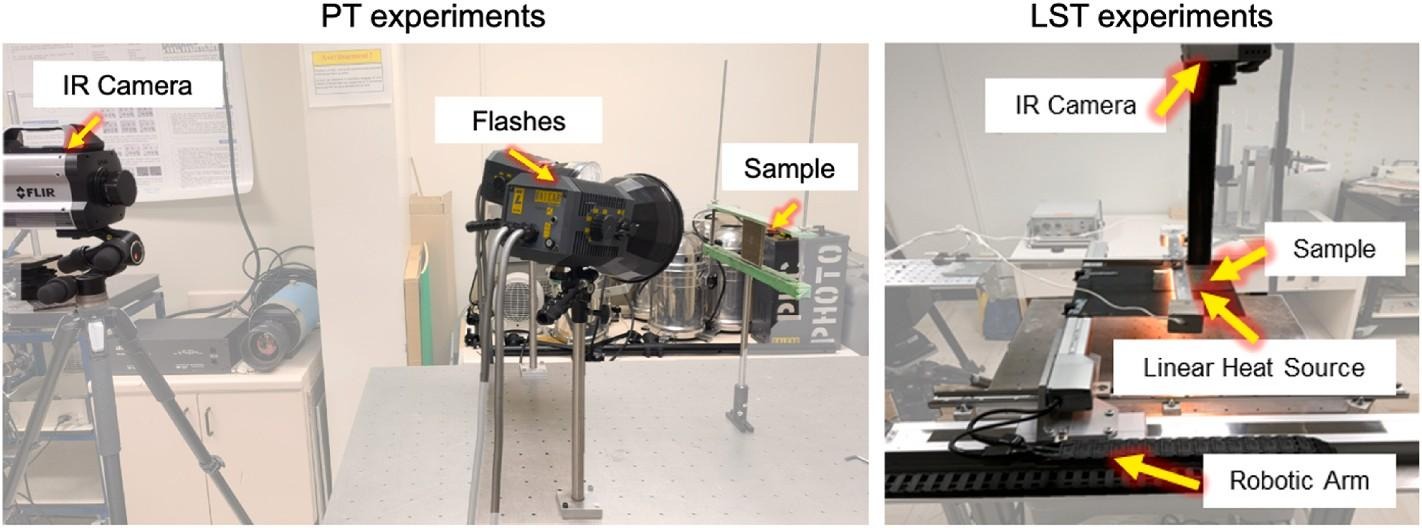
Fig. 1. Experimental setups of pulsed thermography (PT) and linear scanning thermography (LST).
An ideal NDT technique should be effective in detecting buried slight delamination, while also being fast, reliable, and simple to use [11]. In this regard, infrared thermography techniques such as pulsed thermography (PT) and linear scanning thermography (LST) have gained increasing attention in the recent years due to their fast inspection rate, contactless nature, high spatial resolution, acquisition rate [12,13] and versatility of application in various research fields. Important examples confirming the latter point are illustrated in Refs. [14–18]. However, for composites testing, the noise caused by the weaving pattern including uneven surface emissivity and anisotropic thermal diffusivity significantly affects the damage recognition. Pulsed phase thermography (PPT) technique was proposed in 1996 and validated as an effective method for reducing the surface emissivity effect and increasing the defect contrast [19]. Subsequent study has been constructing quantitative defect features such as the relationship between phase and defect depth [20,21]. For anisotropic thermal diffusivity, there is no effective solution.
Limited detection depth (~4 mm) significantly affects the applications of IRT. In this case, an emerging technique, i.e. terahertz time-domain spectroscopy (THz-TDS), was introduced [22,23]. THz bridges the gap between microwave electronics and infrared photonics. THz spectrum can determine the low-frequency vibrational modes of molecules, which are related to intermolecular interactions in chemical compounds, such as hydrogen bonds and van der Waals interactions between molecules. Therefore, it has the potential to detect the uneven resin distribution, which significantly affects the mechanical properties of materials. THz-TDS is attracting more attention as a new NDT method due to its human-safe (nonionizing) and deeper penetration capabilities. THz-TDS technique has deeper penetration capability (~10 mm) comparing with infrared thermography. Similar to infrared thermography, THz-TDS does not require any contact with the sample surface. It is possible to combine these two techniques to achieve a better detection effect. However, information from different NDT systems can be conflicting, incomplete or vague if looked at as discrete data [24–26]. The concept of data fusion can be used to combine information from multiple NDT systems and help in decision-making to reduce human error interpretation [27]. Existing fusion technologies were focused on the data from two sensors [28–30], and there is a lack of research on data fusion from more than two sensors. This is due to the increase in time and operating costs that come with the addition of sensors.
Here, two types of intraply hybrid flax/basalt composites subjected to low-velocity impact (LVI) were tested by three contactless and non-destructive techniques, including pulsed thermography (PT), linear scanning thermography (LST) and terahertz time-domain spectroscopy (THz-TDS). In addition, a novel data fusion technique is proposed for providing more details regarding different damage modes, including delamination and cracks. This technique is based on pixel-level data fusion, which increases knowledge about the location and characteristics of defects and reduces ambiguity.
The rest of this paper has been organised as follows. Firstly, specimens, experimental setups and main contributions are introduced in Section 2. The resin characterization method and multi-source fusion technique are provided in Section 3. The experimental results and discussions are provided in Section 4. Finally, our conclusion is outlined in Section 5.
2. Experiments
2.1. Materials
PP-based composites were manufactured through hot compression moulding, by using the film-stacking technique with alternating layers of PP films (75–80 μm thick) and flax/basalt hybrid fabrics. A hybrid woven fabric supplied by Depestele Group under trade name of LINCORE® HFT2 360 was used as the reinforcement material. This fabric displays a twill 2/2 weave pattern, comprising 50 wt% flax and 50 wt% basalt, with an areal density of 360 g/m2. The matrix was a polypropylene (PP) provided by Borealis AG under the commercial name of Bormod HF955MO. A 2 wt% maleic anhydride grafted polypropylene (MA-g-PP), Polybond 3000 by Chemtura, was used as coupling agent to increase fibre/matrix interfacial adhesion. The modified PP formulation (PPC) was manufactured by using a co-rotating twin-screw extruder Teach-Line ZK25T by Collin GmbH with a temperature profile of 180-190-205-195-185 ◦ C from the hopper to the die. The screw operated at a speed of 60 rpm. PP and PPC films were produced using a flat head extruder Teach-Line E 20-T, which was equipped with a CR 72T calendar by Collin GmbH. The process involved a temperature profile of 180–190–200-190-185 ◦ C and a screw speed of 55 rpm. The laminates with a 4 mm thickness and an overall fibre volume fraction of 0.4 were hot compressed in a P400E press by Collin GmbH by alternating eight hybrid fabric layers with nine PP (or PPC) films.
Specimens measuring 100 mm × 100 mm × 4 mm were subjected to low velocity impact tests at four different impact energy levels, i.e., 5 J, 10 J, 20 J and 30 J by using an instrumented drop-weight impact testing machine (CEAST/Instron 9340) equipped with a 12.7 mm hemispherical tip and a total weight of 8.055 kg. Test coupons were pneumatically clamped between two steel plates leaving a circular unsupported area with a diameter of 40 mm.
2.2. Experimental setups
In this study, the multi-source systems are divided into three parts, including pulsed thermography (PT), linear scanning thermography (LST), and terahertz time-domain spectroscopy (THz-TDS) [31–33]. Fig. 1 shows the PT experimental setup in the reflection mode. A cooled infrared camera (FLIR X8501sc, 3–5 μm, InSb, NEdT <20 mK, 1280 × 1024 pixels) and two xenon flashes (Balcar, 6.4 kJ for each, 2 ms) are used.
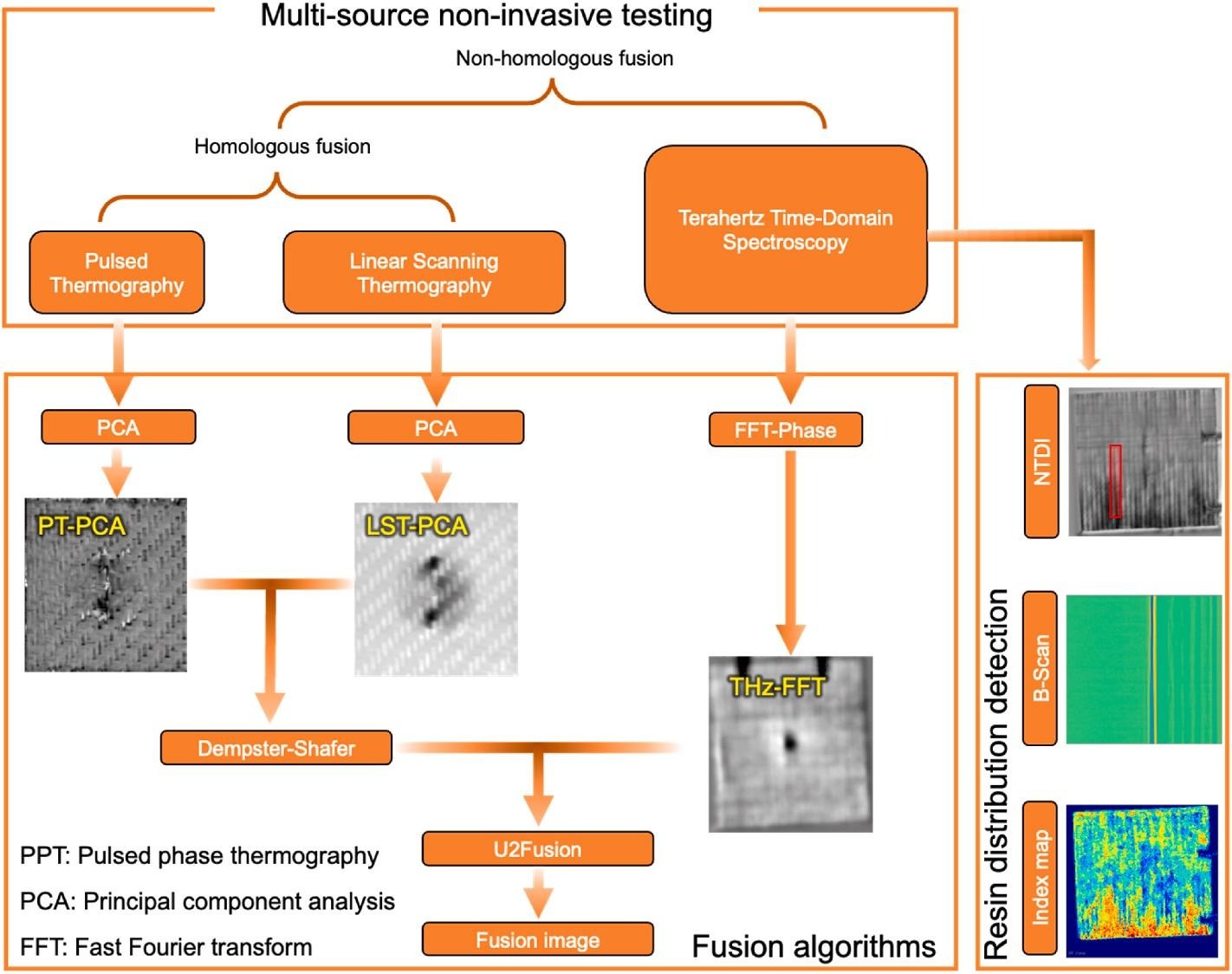
Fig. 2. The main contributions in this work: resin distribution detection and multi-source fusion.
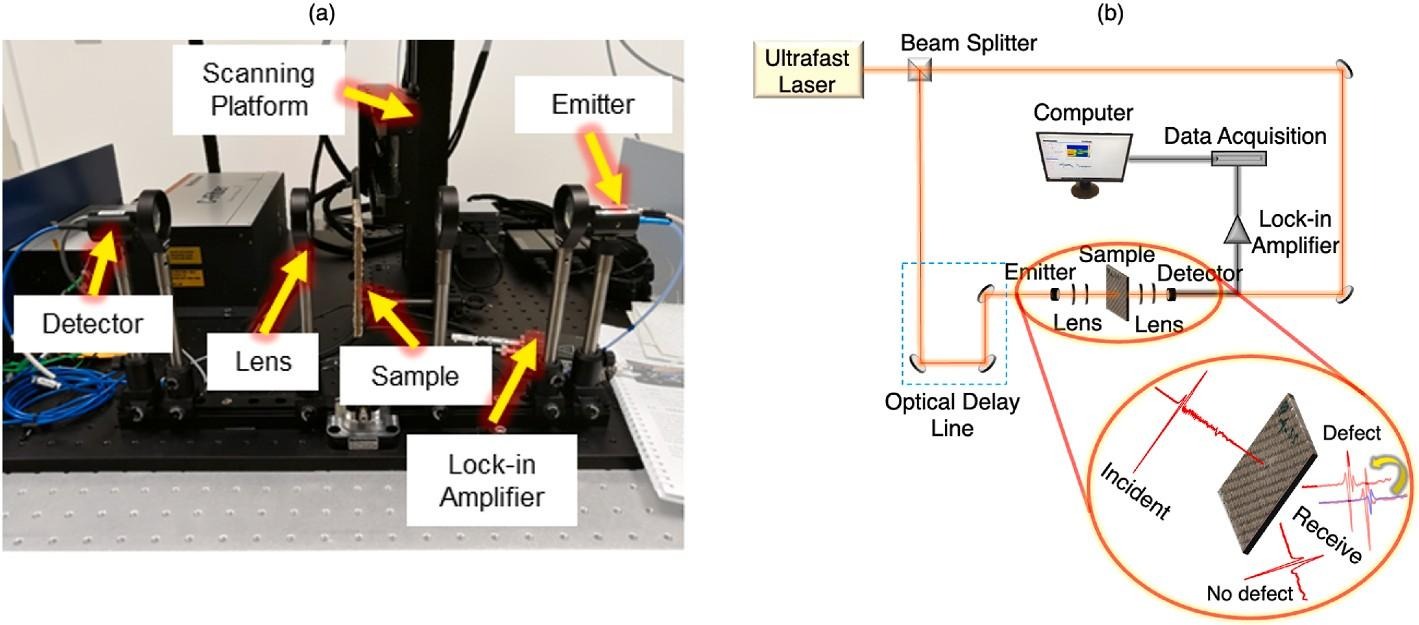
Fig. 3. The photograph (a) and schematic image (b) of THz-TDS systems.
The LST experimental setup contains a cooled infrared camera (FLIR Phoenix, 3–5 μm, InSb, NEdT <20 mK, 640 × 512 pixels) and a linear heat source with a power of 500 W (Visiooimage inc. industrial line scan). Additionally, a robotic arm is used to move the samples at a speed of 10 mm/s. The scanning speed has an impact on the amount of energy that is delivered to the samples and hence on the maximum depth at which a defect can be detected [34]. It was determined that the optimal scanning speed is around 10 mm/s in this specific case. At scanning speeds much slower or faster than this, defects appear with lesser contrast.
The THz-TDS system, Menlo Systems GmbH (Munich, Germany), comprises THz spectrometer (compact spectrometer with integrated laser, ADC unit, control computer), THz antennas, and current amplifier unit, as shown in Fig. 3. The system has a 1.2 GHz frequency resolution, typically 4.5 THz spectral range, 80 dB dynamic range, and 100 MHz repetition rate. The experiments were performed in transmission mode. The scanning step was set at 0.5 mm. The main contributions in this work are developing a THz-based resin distribution detection technique and proposing a multi source fusion technique. The details are shown in Fig. 2.
3. Methodology
3.1. Inspection of resin distribution
There are two consequences arising from the uneven distribution of the resin, i.e., the creation of air pockets and the change in fibre orientation. Uneven resin distribution significantly affects the mechanical properties of composite materials. In this paper, a normalized time-domain integration (NTDI) method is used to efficiently and accurately identify the uneven resin distribution [35].
The schematic image of THz-TDS systems is shown in Fig. 3. It is possible to model the received signal T based on Gaussian fitting:

where ai, bi, ci are the fitting coefficients of the received signal. For general THz-TDS systems, there is always a systematic error, i.e., the incident wave is not a normal Gaussian pulse in the time domain. Of note, the integration of each pulse waveform in the time-domain is negative, which can be given as:
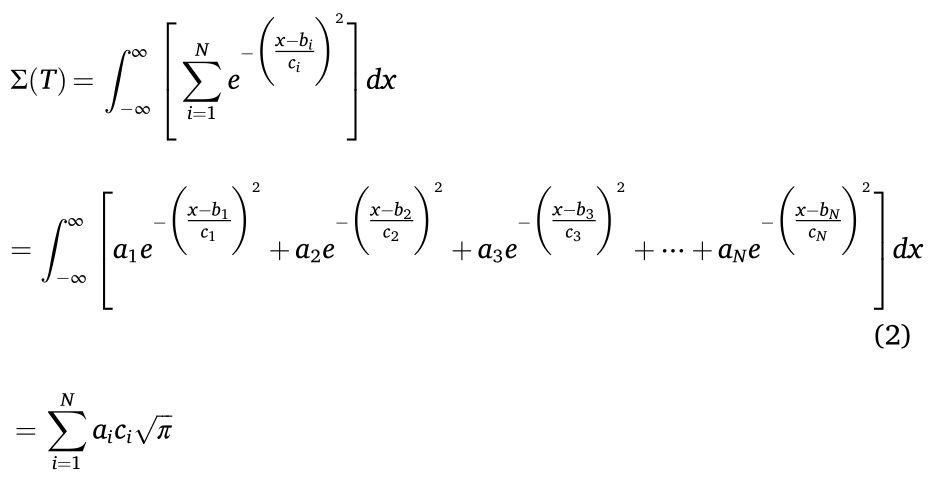
where i=1 ai ci < 0. By analysing the THz-TDS in transmission mode, it is possible to find that if a THz wave passes through an area with porosities or irregular fibres, a corresponding reflected wave is generated in the time-domain of THz signal. Therefore, it means that the integral in the area of uneven resin distribution is lower than that in the normal area.
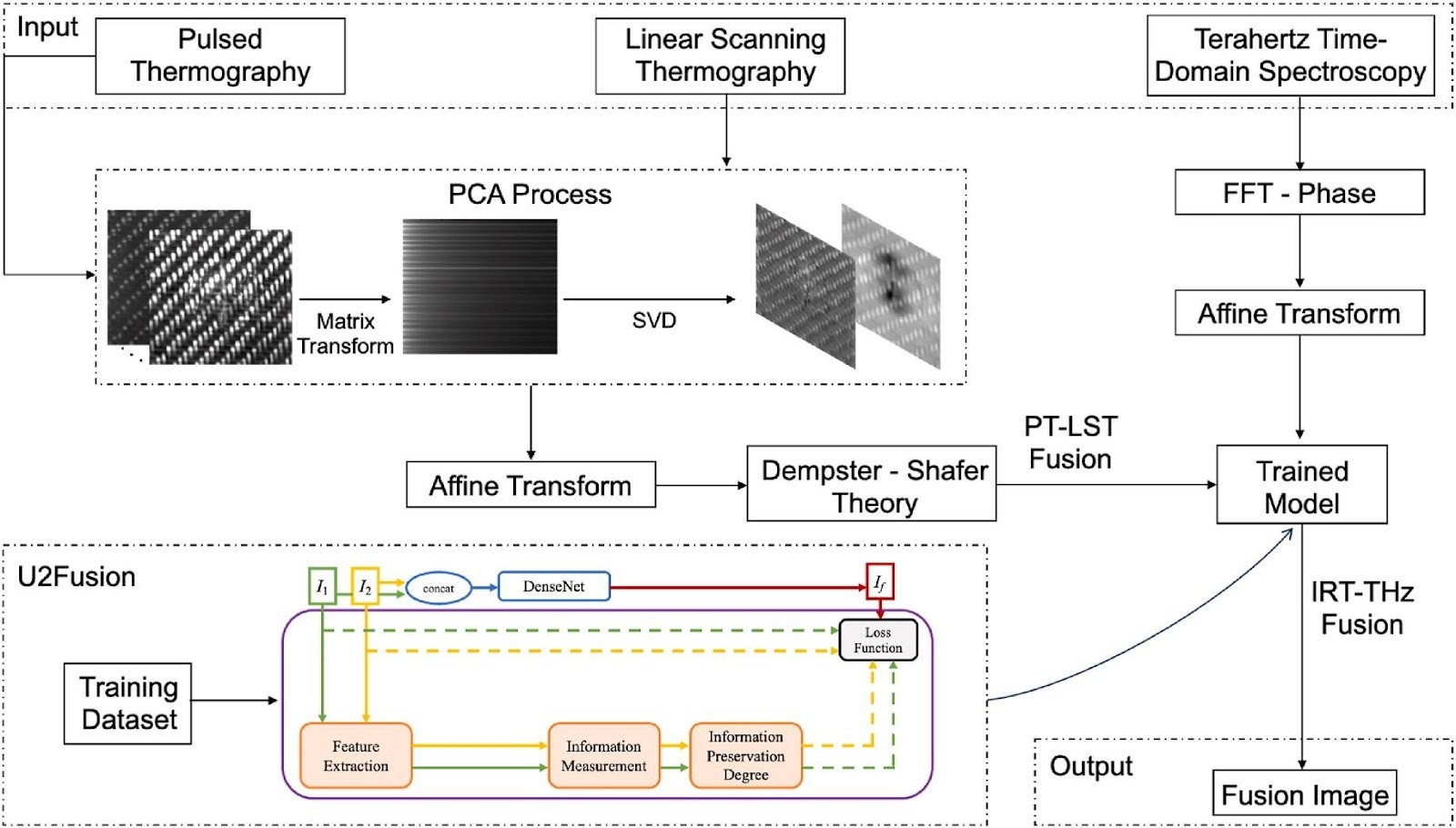
Fig. 4. The pipeline of proposed multi-source fusion model.
3.2. Multi-source fusion technique
In this work, a novel multi-source fusion technique is introduced for three data sources. Two of the data sources are from the same sensors (infrared camera), and own similar data information and imaging mechanism. It is defined as PT-LST fusion. The other data source is the THz sensor, which owns different data information and imaging mechanism. It is defined as IRT-THz fusion. The Dempster – Shafer theory (DST) is used for PT-LST fusion primarily because the main advantage of DST is to deal with uncertainty and conflicts, which are the key issues in homologous data (PT-LST) fusion [36]. The unsupervised network is used for IRT-THz fusion because IRT and THz data have different units of measure, resolution and data characteristics, which is required to capture the complex relationships present in non-linear modelling [37]. Neural networks are powerful non-linear modelling tools that can be adapted to a variety of heterologous data. The pipeline of proposed multi-source fusion model is shown in Fig. 4.
The Dempster – Shafer theory is used to fuse the experimental results from PT and LST. Assume a set of n mutually exclusive and exhaustive propositions, Θ = {X0, X1, …, Xn} where Θ is called a frame of discernment. Thus, propositions can be developed by the Boolean operator OR; 2Θ is the set of all the subsets of Θ. Dempster – Shafer developed the concept of mass probability m(X) to assign evidence to a proposition:
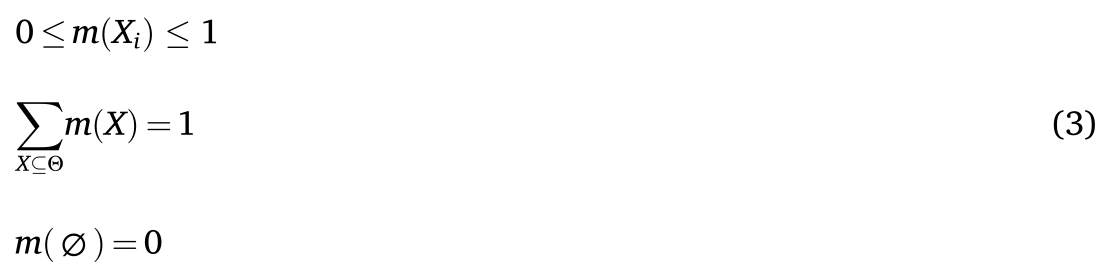
Another term for mass probability is basic probability assignment. The support for a hypothesis is the total degree of belief for this hy pothesis to be true. A belief function can be defined by:

where Bel(X) is the degree of support for the proposition X which for multiple hypotheses becomes:

The properties of a belief function are:
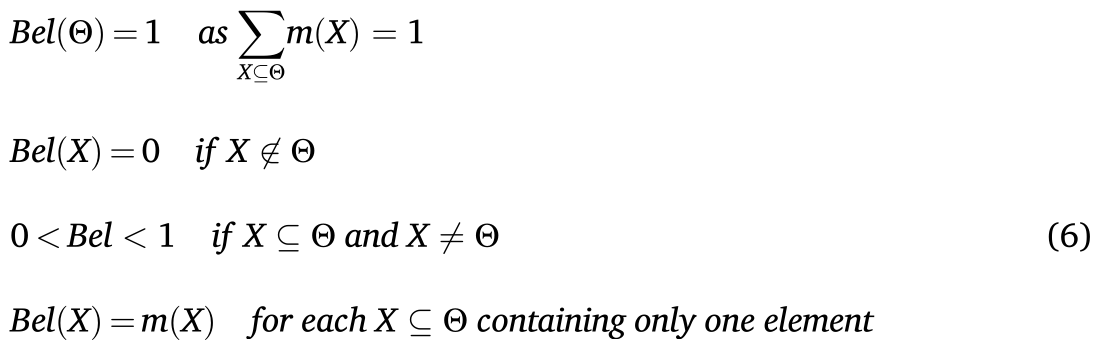
Table 1
Multi-source fusion technique.
Input: data 1 (pulsed thermography), data 2 (linear scanning thermography), and data
3 (terahertz time-domain spectroscopy)
Output: multi-source fusion images
Procedure:
1. Transfer infrared image sequence T from data 1 and data 2 to two-dimensional
̃ and perform normalization process.
matrix T,
2. Perform singular value decomposition (SVD), and retain the first principal
component (PC) of data 1 and the second PC of data 2.
3. Perform affine transformation and data fusion based on Dempster – Shafer theory
for data 1 and data 2 (PT-LST fusion).
4. Perform fast Fourier transform (FFT) for data 3.
5. Feed the unlabeled dataset into unsupervised network U2Fusion.
6. Perform affine transformation and data fusion based on trained U2Fusion model
(IRT-THz fusion). Output fusion image.
Bel(X) + Bel(X) ≤ 1
Since

Any belief which is not assigned to a specific subset is called a non-belief and is associated with Θ. A belief function is usually expressed in terms of basic probability assignment. By convention, the mass probability of the empty set is zero, m(Ø) = 0.
Data association using Dempster-Shafer theory is performed through the Dempster rule of combination. It can be defined as follows:

This is called the orthogonal sum of m1 and m2 and is defined as the sum of the mass product intersections. The total belief committed to Z is:

If the sum of all the masses is less than 1, a normalization factor (1-k) has to be considered. It is given by the equation:

where the factor k indicates the amount of evidential conflict. The general form of the Dempster rule of combination can be written as:

In the case of the IRT-THz fusion, an unsupervised deep learning network U2Fusion was introduced [37]. The pipeline of U2Fusion is summarized in Fig. 4. Using the source images denoted as I1 and I2, a DenseNet is trained to generate the fusion image If. Then the information measurement is performed on these feature maps, producing two measurements. With subsequent processing, the final information preservation degrees are denoted as ω1 and ω2. I1, I2, If, ω1 and ω2 are used in the loss function without the need for ground truth. In the training phase, ω1 and ω2 are measured and applied in defining the loss function. Then, a DenseNet module is optimized to minimize the loss function [38]. In the testing phase, ω1 and ω2 do not need to be measured, as the DenseNet has been optimized. For feature extraction, the pre-trained VGG-16 network [39] was adopted. The input I has been unified in a single channel in the model and is duplicated into three channels, which are then fed into VGG-16. The outputs of the convolutional layers before max-pooling layers are feature maps for the subsequent information measurement. The training dataset are from four publicly available datasets [40,41]. The details of the multi-source fusion technique are summarized in Table 1.
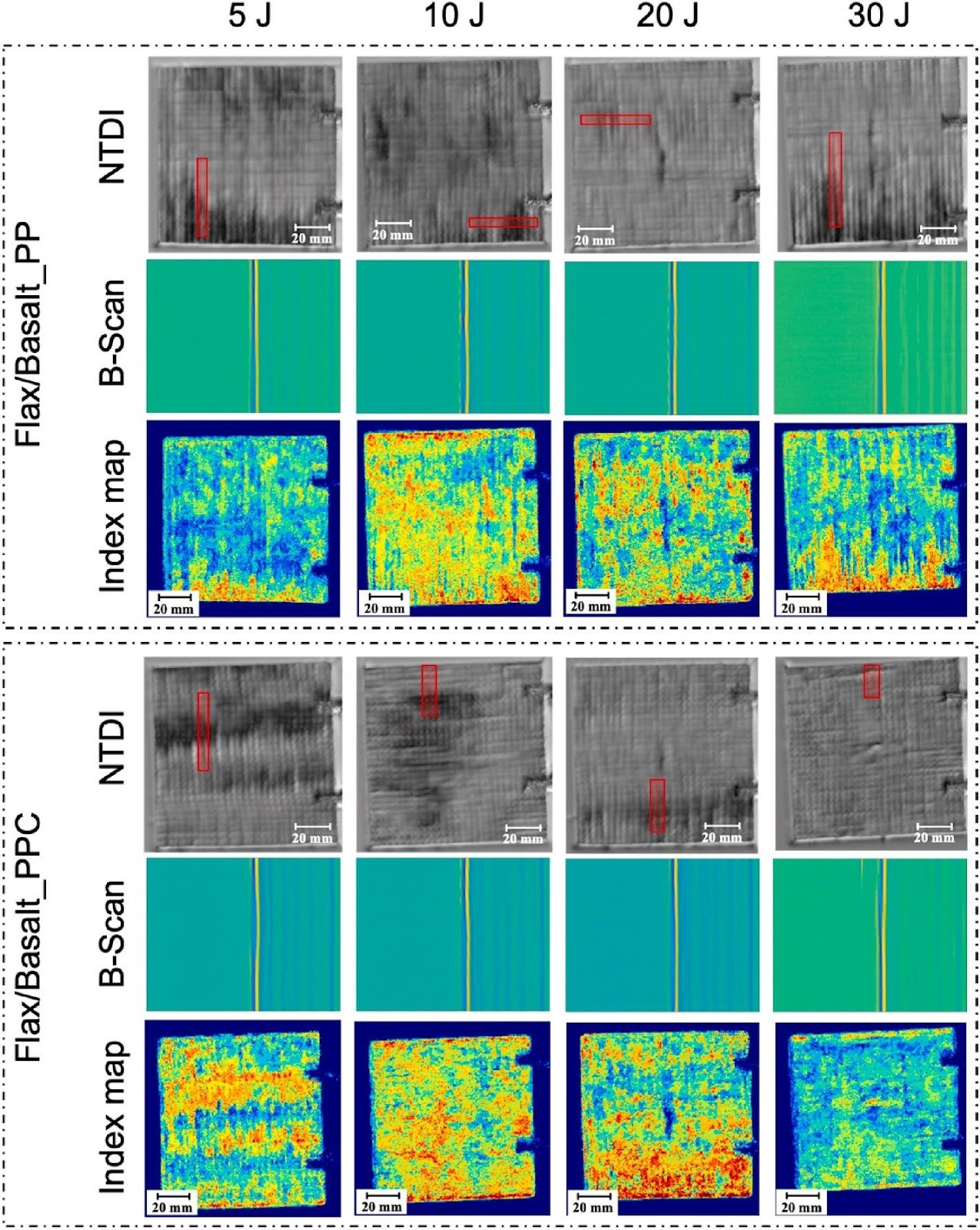
Fig. 5. Detection of resin based on NTDI, B-Scan, and index map.
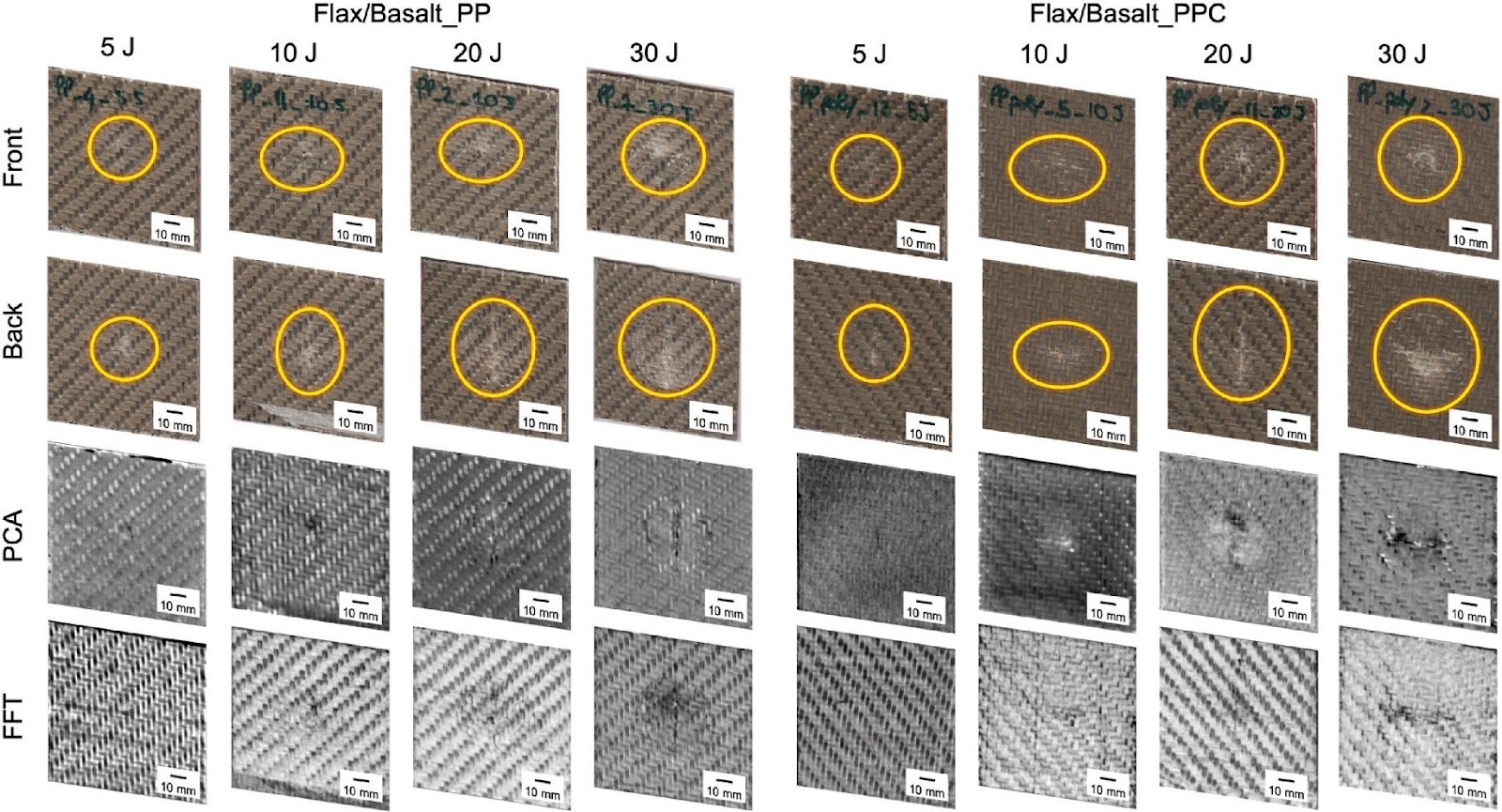
Fig. 6. Impact damage evaluation based on pulsed thermography with image processing algorithms.
4. Results and discussion
4.1. Uneven resin distribution
Detecting the resin distribution and fibre alignment of composites is critical as they directly determine the mechanical, thermal and electrical properties, as well as the manufacturing quality of the material. It is essential to ensure reliability and performance prediction of the material. In this work, NTDI method was employed to detect the uneven resin distribution and fibre alignment, for the first time. THz B-Scan was used to validate the detection results.
Fig. 5 illustrates the results of resin detection for both Flax/Basalt_PP and Flax/Basalt_PPC. In the case of Flax/Basalt_PP after 5 J impact, it is obvious that there are some uneven resin distribution areas like the bottom and top positions of the specimen. In addition, B-Scan image along the red box shows that the intensity of THz signal at the bottom is lower than the one at the top. As mentioned before, the resin absorbs the THz signal, causing a reduction in THz signal intensity. The similar results about uneven resin distribution are also shown in the other Flax/ Basalt_PP and Flax/Basalt_PPC specimens. In particular, for Flax/Basalt_PPC specimen after 30 J impact, it is possible to find that there is an abnormal alignment of the fibre at the top of the specimen. B-Scan image can detect the signal intensity difference caused by abnormal alignment of the fibre. To further validate the detection results, refractive index maps at 0.2 THz were calculated. It is obvious that the index maps are similar to the NTDI images.
4.2. Preparation for multi-source fusion: image processing
Fig. 6 illustrates the impact damage evaluation based on pulsed thermography (PT) with principal component analysis (PCA) and Fast Fourier transform (FFT) [42,43]. The thermographic experiments were conducted on the back side of the samples, where optical images reveal that the damage on the back side is significantly more severe compared to the front side. It is obvious that the PCA results are better than the FFT results. For instance, the subsurface damage can be detected by PCA technique at low impact energy, while the FFT technique cannot. Although PT technique can detect many details of impact damage, there are two issues that cannot be solved based on PT technique, i.e., evaluation of impact resistance and identification of damage mode.
In addition to relying on effective image processing algorithms, it is necessary to discuss the experimental modes (reflection and transmission) of infrared thermography. This is due to the fact that experimental results are significantly relevant to the defect depth. For instance, if a defect is deeper than the half of the thickness, then the heat diffusion for the reflection has a longer way, than for the transmission measurement. This means for the defects in the 2nd half of the sample transmission gives better results. Likewise, the results in transmission mode were processed by PCA algorithms, as shown in Fig. 7. However, it is obvious that the experimental results in transmission mode are worser than that in reflection mode. The reasons are as follows. Firstly, the impact damage often occurs on the impacted side, and it is on this side that reflective detection performs. Therefore, local thermal anomalies are more directly captured. Secondly, composite materials especially hybrid composites have anisotropic heat conductivity and multi-layer structure. The impact damage can cause the fibre fracture and the delamination, resulting in a sharp decrease in heat conductivity in localized areas. When the heat wave passes through multiple interfaces, attenuation of the heat signal and mixing effects can make the thermal anomalies of defects less distinguishable.
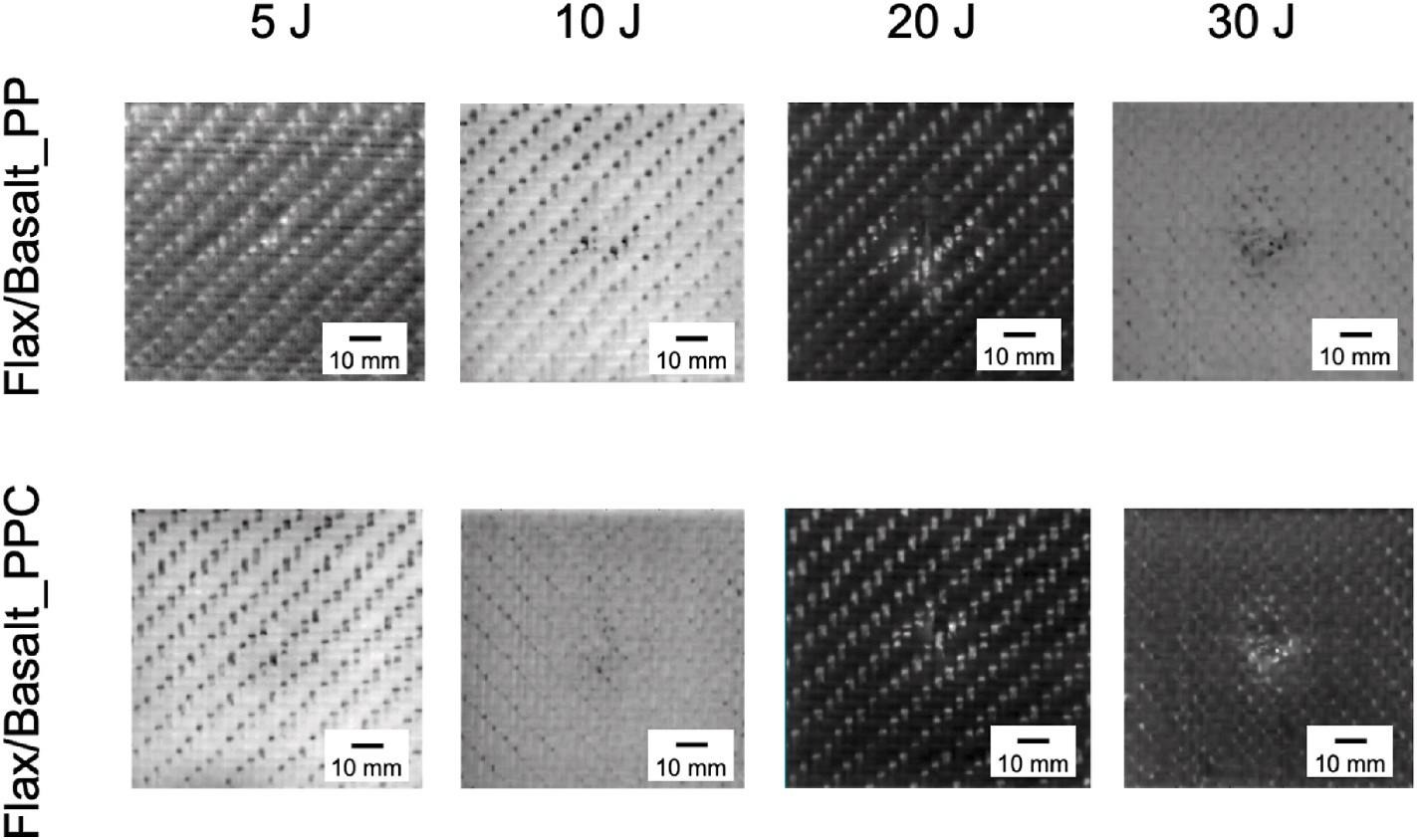
Fig. 7. Impact damage evaluation based on transmission experiments with PCA processing.
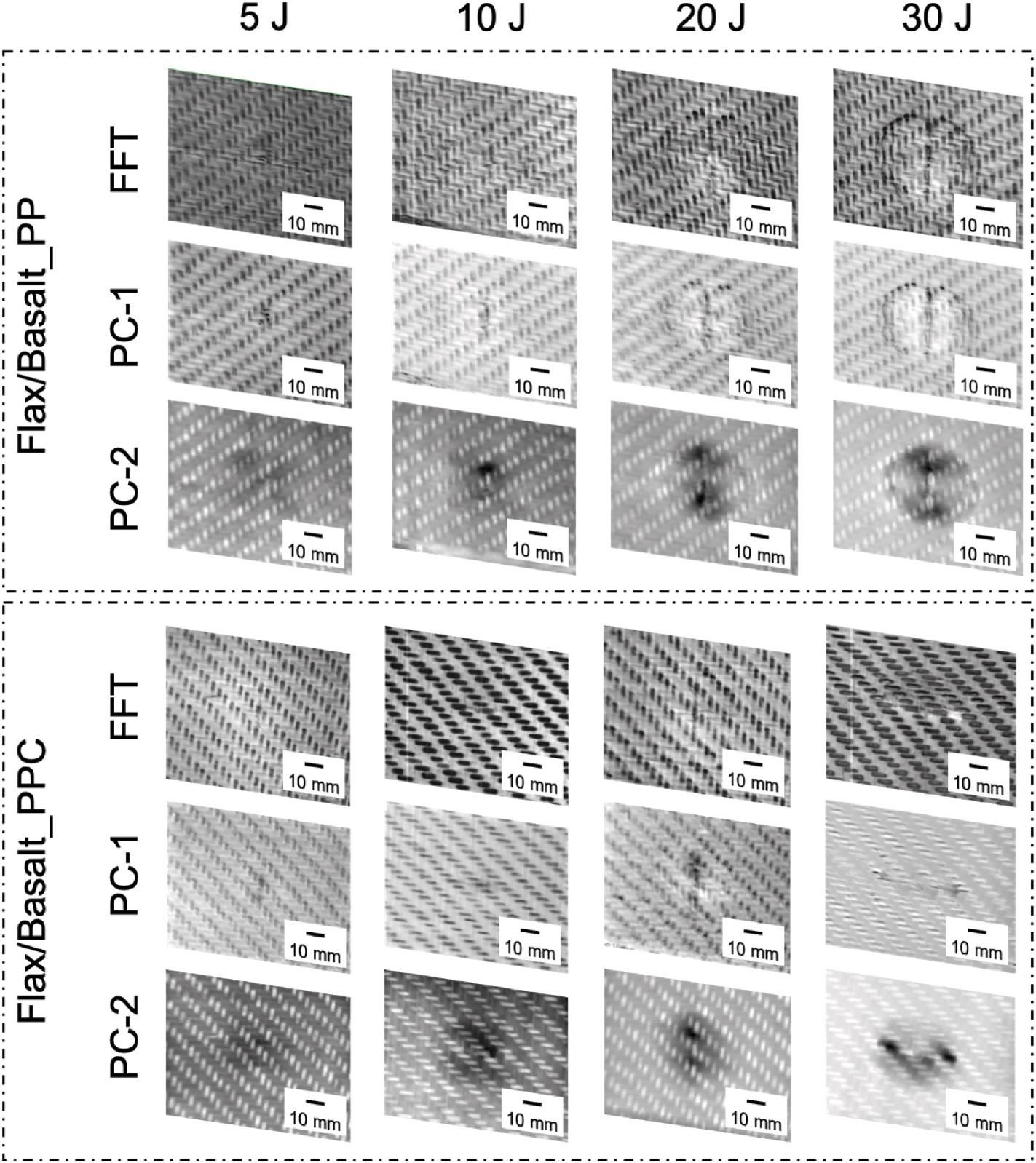
Fig. 8. Image processing results for line-scan thermography.
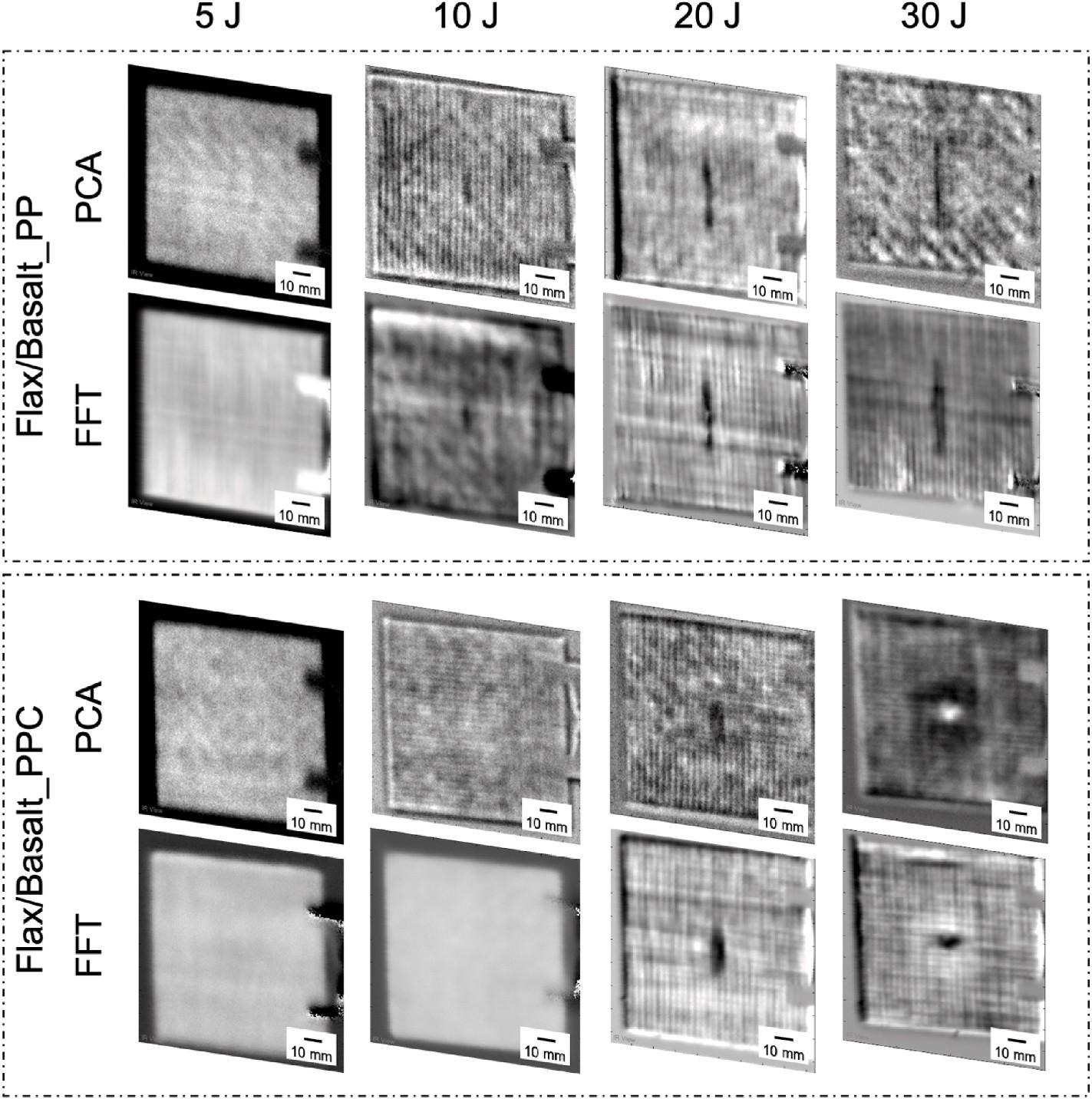
Fig. 9. Image processing results for terahertz time-domain spectroscopy.
Linear scanning thermography (LST) has higher depth resolution than PT due to the heat source (laser or infrared line heat source) that offers higher heat flux than flashes [44,45], which can penetrate the sample surface and heat up the interior of the sample more efficiently [46]. Fig. 8 illustrates the image processing results for LST. The first and second principal components (PC) of PCA results were extracted because they offer main defect features. The image processing results from PC-2 show different damage areas. Therefore, it can be used to evaluate the impact resistance between the Flax/Basalt_PP and the Flax/Basalt_PPC. According to the PC-2 images of 20 J and 30 J impact energies, the Flax/Basalt_PPC has higher impact resistance ability than the Flax/Ba salt_PP, due to a more localized impact damage.
Fig. 9 shows the image processing results for THz-TDS. Different from infrared thermography, the FFT results of THz-TDS are better than PCA results. This is due to the fact that the phase image can offer exact information of wave velocity and absorption, while PCA technique can reduce the complexity of spectroscopy data instead of offering physical information. Comparing THz results of the Flax/Basalt_PP and the Flax/Basalt_PPC, it is obvious that the impact resistance of the Flax/Basalt_PPC is higher.
In this paper, signal-to-noise ratio (SNR) was used to assess the damage evaluation ability of two image processing algorithms. SNR is expressed as follows:

where Td denotes the sum of pixel values in the selected damage area, Ts denotes the sum of pixel values in the corresponding area without damage, and σs is the standard deviation representing noise variability. The unit is decibel (dB).
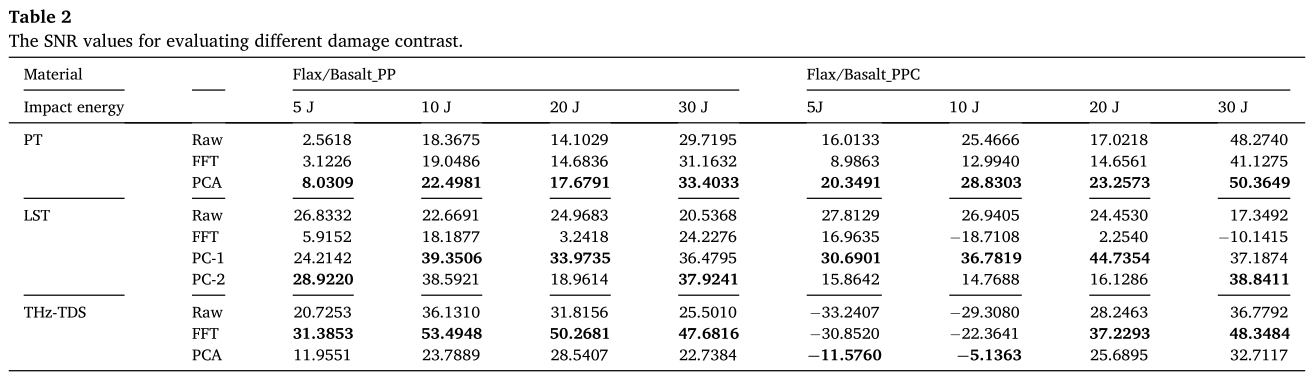
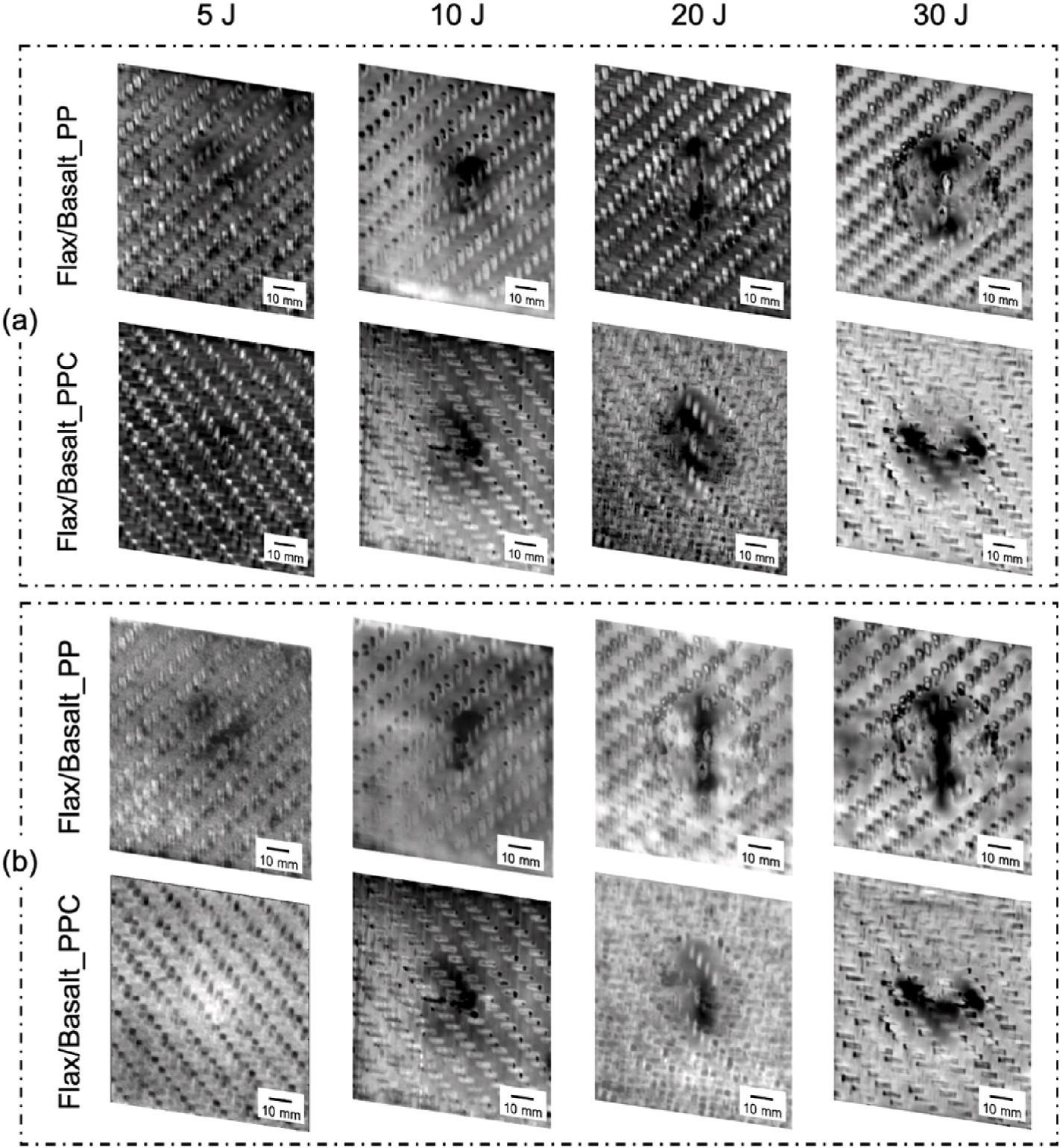
Fig. 10. Multi-source fusion results: (a) data fusion for homologous sources (PT-LST) using Dempster – Shafer theory; (b) data fusion for non-homologous sources (IRT-THz) using U2Fusion.
Table 2 illustrates the quantitative analysis of different image processing techniques. In the case of PT and LST, the PCA results have the highest SNR. In the case of THz TDS, the FFT results have the highest SNR. In particular, the SNR of the FFT results shows negative values. This is due to the fact that the values of Td and Ts are quite approximate.
4.3. Multi-source fusion results
Fig. 10(a) illustrates the results of homologous data fusion. It is obvious that the fused images combine the damage features (delamination and crack) from LST and PT. However, the image noise inevitably increases. In particular, it is difficult to identify the damage area for the images of the Flax/Basalt_PP at 5 J, and 20 J impact energies and the Flax/Basalt_PPC at 5 J impact energy.
Fig. 10(b) shows the final fused results for LST, PT, and THz-TDS. After introducing the results from THz-TDS, it is possible to find that the damage area for low impact energies (5 J and 10 J) becomes clear. In addition, introduced THz-TDS results significantly enhance the damage contrast for high impact energies (20 J and 30 J).
5. Conclusion
The detection of low-velocity impact (LVI) damage for composites is significant. However, there are two problems using infrared thermography techniques that need to be solved, i.e., the noise from composites weaving patterns and limited detection depth. In this work, we introduced the THz-TDS technique for detecting deeper damage that IRT cannot reach. However, information from different NDT systems can be conflicting, incomplete or vague if looked at as discrete data. To overcome these problems, a multi-source fusion technique was proposed to inspect two hybrid composites Flax/Basalt_PP and Flax/Basalt_PPC with damage induced by low velocity impacts. The multi-source fusion technique combines the advantage of Dempster-Shafer theory and unsupervised network U2Fusion for facing the homologous (PT-LST) fusion and non-homologous (IRT-THz) fusion. Furthermore, detecting the resin distribution and fibre alignment of composites is critical as they directly determine the strength, fatigue properties, thermal properties, electrical properties, and manufacturing quality of the material. The NTDI method was employed to detect the uneven resin distribution, and the results were compared with those from the THz B-Scan and index map.
There are no comments yet!