

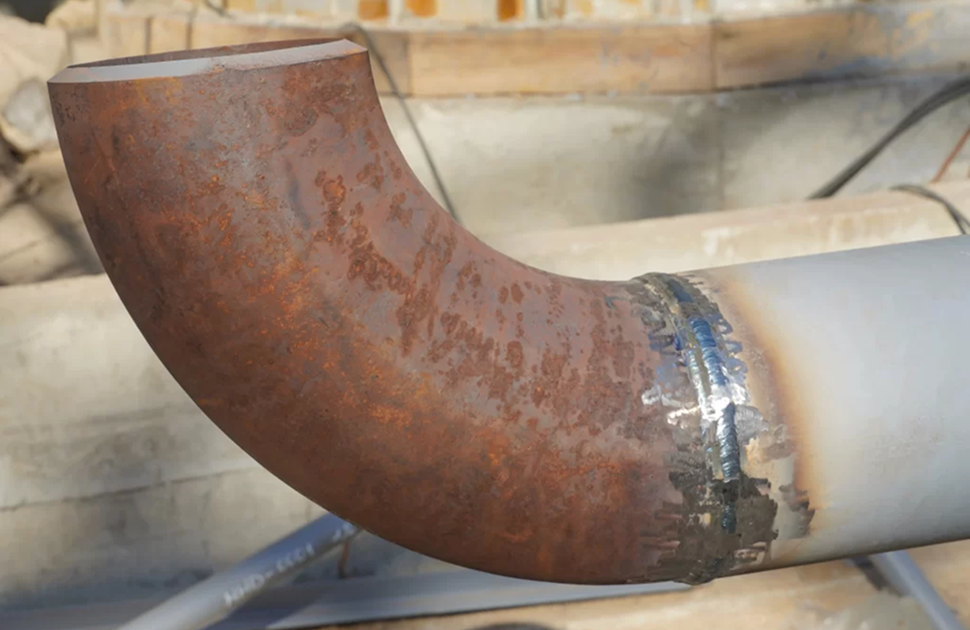
Introduction
Pipeline integrity management remains a critical priority in the oil and gas industry, where corrosion continues to be one of the primary causes of pipeline degradation and operational risk. While significant effort is often placed on controlling external corrosion through protective coatings, cathodic protection, and inspection programs, internal corrosion can develop unnoticed and progress rapidly under unfavorable operating conditions.
Carbon steel pipelines are widely used in industrial facilities for transporting fresh water, cooling water, and other utility fluids due to their strength, availability, and cost efficiency. Under stable fresh water conditions, internal corrosion of carbon steel typically occurs at relatively low rates and is largely influenced by dissolved oxygen levels, water chemistry, and hydraulic conditions. However, even temporary changes in the operating environment can significantly alter corrosion behavior. One such situation arises when seawater inadvertently enters a pipeline designed for fresh water service. The presence of chlorides, increased electrolyte conductivity, and marine microorganisms can destabilize corrosion product films and promote localized corrosion mechanisms. Even short periods of saline exposure may initiate corrosion processes that continue to develop long after the original disturbance has passed.
This article presents a practical pipeline integrity case involving severe internal corrosion observed in a carbon steel pipeline originally designed for fresh water distribution. The investigation highlights the role of intermittent seawater intrusion in accelerating internal corrosion and discusses how inspection and non-destructive testing (NDT) methods support corrosion detection and integrity management.
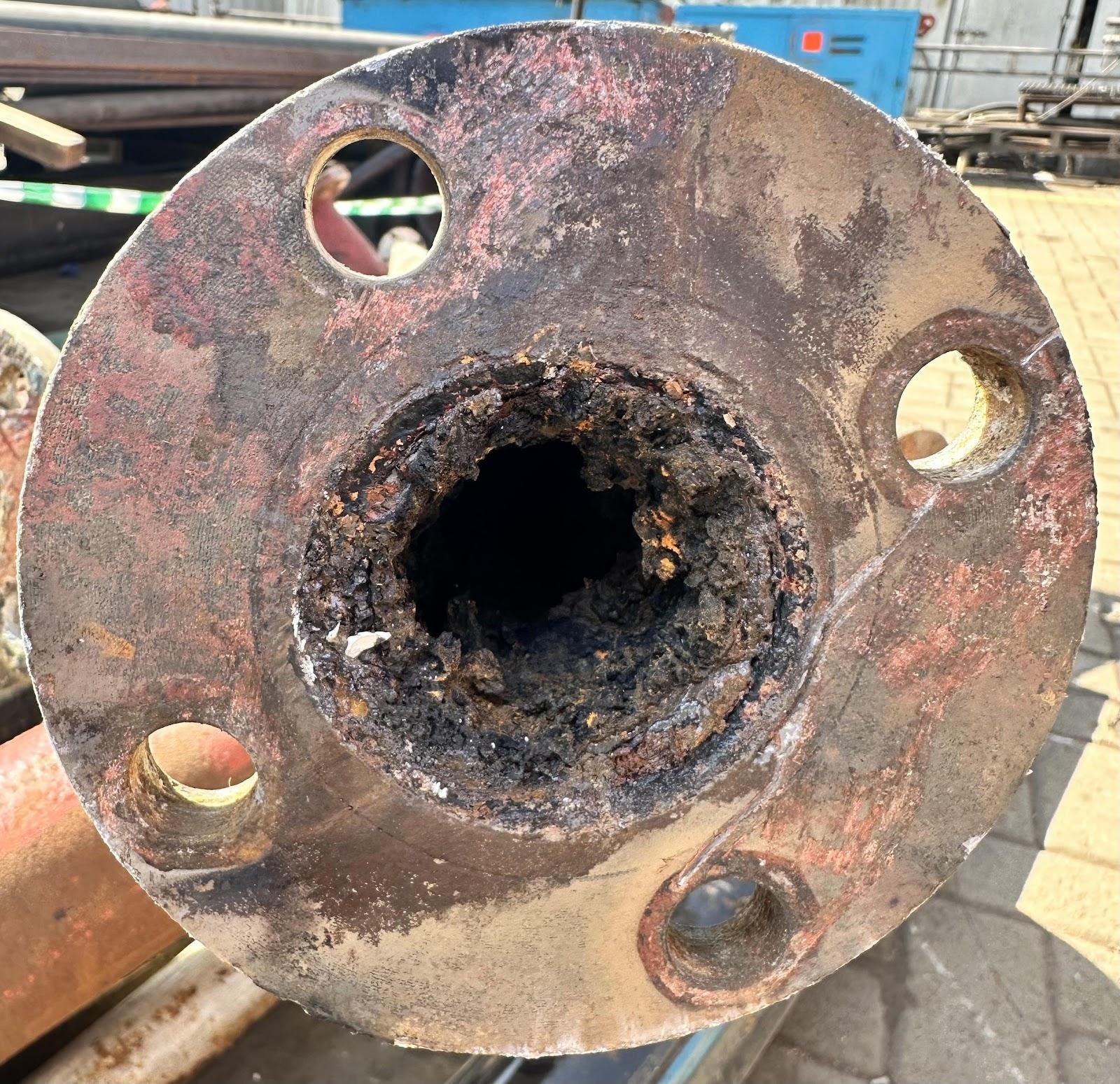
Figure -1 Internal corrosion deposits in the carbon steel pipeline showing extensive tuberculation and significant reduction in the effective internal diameter.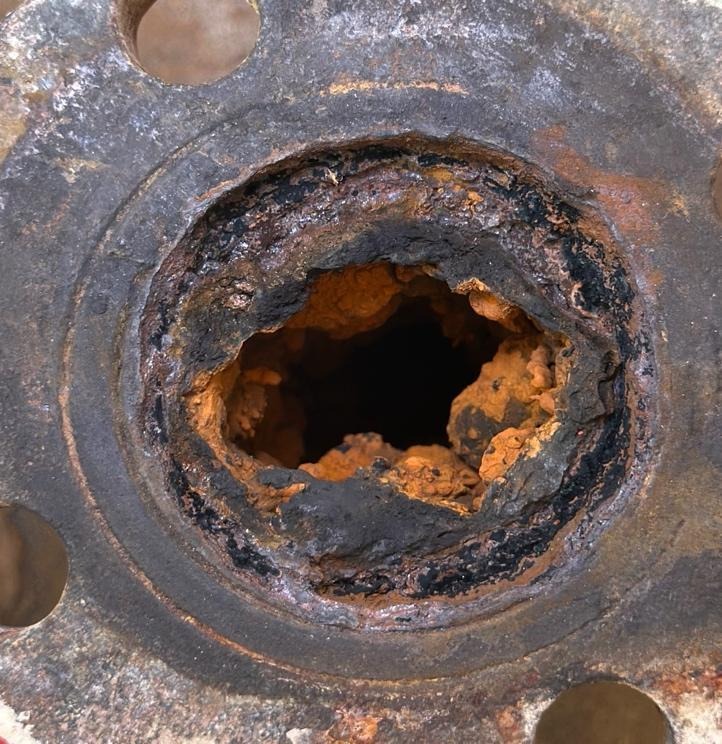
Figure -2 Localized corrosion near a flange connection where flow disturbance and deposit accumulation create conditions favorable for differential aeration corrosion.
Pipeline System Description
The pipeline investigated in this case formed part of a freshwater distribution system on a 16-year-old oil tanker vessel undergoing dry-dock maintenance. The system consisted of carbon steel piping designed to transport fresh water produced onboard through generation systems such as evaporators or reverse osmosis units.
Under normal operating conditions, the pipeline carried low-salinity water with moderate dissolved oxygen levels. The internal surface of the pipe was uncoated, which is a common design practice for fresh water systems where the corrosion risk is generally considered manageable.
Operational records later indicated that during periods when the fresh water generation system experienced breakdowns, the pipeline was temporarily supplied with seawater through a bypass arrangement in order to maintain essential services. Although these periods were relatively short, they introduced seawater into a pipeline that had not been designed for saline service.
Seawater contains significantly higher concentrations of dissolved salts, particularly chloride ions, along with increased electrical conductivity and marine biological activity. Even intermittent exposure to such conditions can alter the corrosion environment within carbon steel pipelines. Repeated exposure cycles may prevent the formation of stable corrosion product films and create conditions that promote localized corrosion processes.
Observed Corrosion Damage
During scheduled maintenance activities, a section of the pipeline was removed for inspection. Visual examination of the internal pipe surface revealed extensive corrosion product buildup and significant obstruction of the flow path. Large nodular corrosion deposits, commonly referred to as tubercles, were observed projecting inward from the internal pipe wall. These deposits consisted mainly of iron oxide corrosion products formed as a result of electrochemical reactions between the steel surface and the surrounding electrolyte.
The corrosion deposits exhibited a layered structure with porous outer oxide layers and darker internal regions. Such morphology is typical of oxygen-driven corrosion processes that occur beneath stabilized corrosion products. Corrosion was not uniformly distributed throughout the pipe. Instead, degradation was concentrated in localized regions, particularly near flange connections and areas where flow disturbances are likely to occur. These regions often create conditions that favor sediment accumulation and reduced fluid velocity.
After partial removal of corrosion deposits, significant under-deposit pitting corrosion was observed beneath the tubercles. The pits displayed irregular cavity shapes and localized penetration relative to surrounding surfaces. This type of localized attack is particularly critical because metal loss may progress rapidly in small areas while the surrounding pipe wall remains relatively intact.
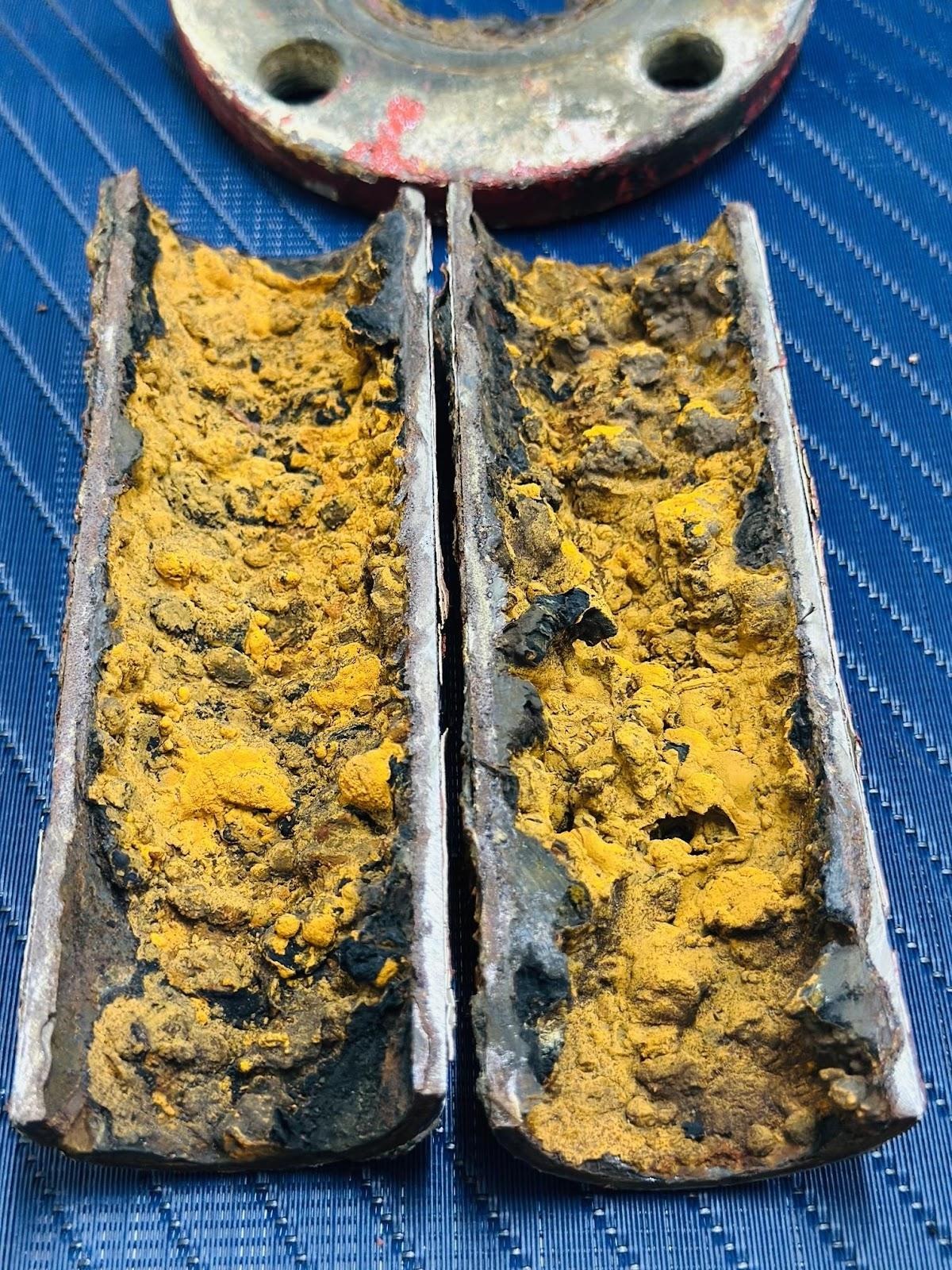
Figure -3 Cross-section of the removed pipeline section illustrating severe internal obstruction caused by corrosion product buildup and localized metal loss beneath deposits.
Corrosion Mechanisms
The internal corrosion observed in this pipeline resulted from the combined influence of chemical, electrochemical, and hydraulic factors associated with intermittent seawater exposure.
Chloride-Induced Corrosion
Seawater contains high concentrations of chloride ions that significantly influence corrosion behavior in carbon steel systems. Chlorides are known to penetrate and destabilize protective corrosion product films that may form on the steel surface under fresh water conditions.
When these films break down, localized anodic regions develop where metal dissolution occurs. The repeated introduction of seawater followed by fresh water operation prevented the formation of stable corrosion layers and sustained localized electrochemical activity within the pipeline.
Differential Aeration
Accumulated corrosion deposits created localized areas beneath the tubercles where oxygen diffusion was limited compared to surrounding surfaces. This oxygen concentration difference resulted in the formation of differential aeration cells.Within these cells, regions with reduced oxygen concentration acted as anodic sites where metal dissolution occurred, while adjacent oxygen-rich regions functioned as cathodic surfaces. The resulting electrochemical potential difference drove localized corrosion beneath the deposits.
Under-Deposit Corrosion
The porous structure of corrosion products allowed retention of electrolyte beneath the deposits. These occluded regions often contained concentrated salts and corrosion byproducts, creating a localized environment that further accelerated corrosion.
Limited fluid movement beneath the deposits also prevented removal of aggressive species, allowing corrosion reactions to continue beneath the surface layer.
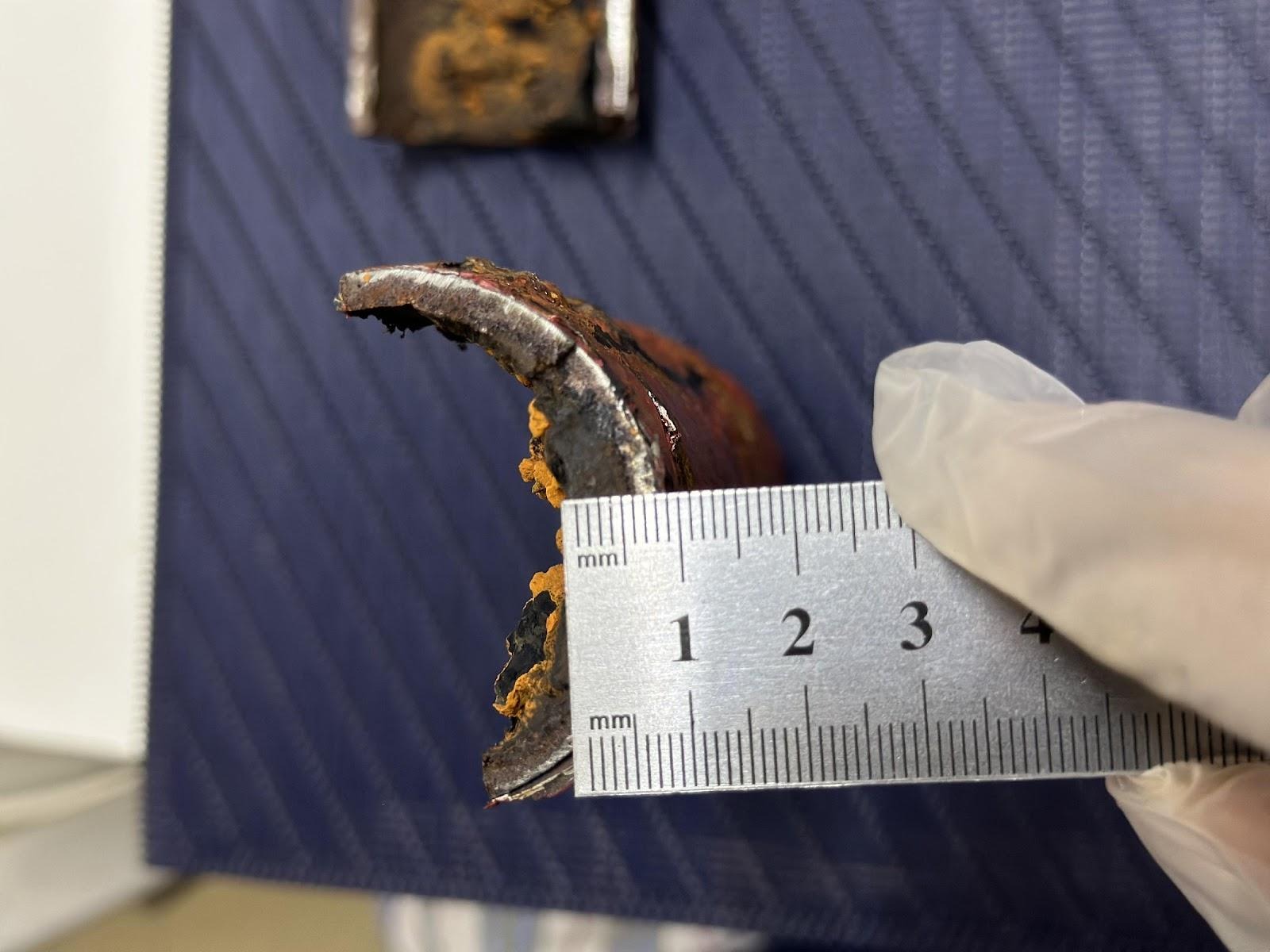
Figure -4 Longitudinal view of the carbon steel spool illustrating severe internal corrosion buildup. The accumulation of corrosion products has considerably restricted the internal diameter. Stratified corrosion layers consisting of porous FeOOH outer phases and darker magnetite-rich inner layers are present. Pitting cavities beneath tubercles indicate localized under-deposit corrosion.
Potential Microbiological Effects
Seawater intrusion may introduce marine microorganisms capable of forming biofilms on internal pipe surfaces. These biological layers can influence local chemistry and create microenvironments that contribute to microbiologically influenced corrosion (MIC). Although microbiological analysis was not performed during this investigation, the operating conditions were consistent with environments where microbial activity may contribute to corrosion processes.
Hydraulic and Structural Implications
The buildup of corrosion products had a significant effect on the hydraulic performance of the pipeline. Measurements indicated that the remaining open flow passage had been reduced to approximately 30%-50% of the original pipe diameter.
This reduction corresponds to an estimated flow area loss of approximately 75%-90%, which can dramatically alter internal flow behavior. As the available cross-sectional area decreases, fluid velocity increases for the same flow rate. Increased velocity and turbulence may elevate wall shear stress and enhance oxygen transport to exposed metal surfaces.
These changes can destabilize corrosion deposits and expose fresh metal to the electrolyte, allowing corrosion processes to continue and potentially accelerate.
From a structural standpoint, localized corrosion reduces the remaining wall thickness available to sustain internal pressure. The integrity of the pipeline therefore becomes governed by the minimum remaining wall thickness, rather than the average wall thickness across the pipe.
Role of Non-Destructive Testing (NDT)
Non-destructive testing plays an essential role in identifying internal corrosion and monitoring pipeline integrity without interrupting operation.
Ultrasonic Thickness Measurement
Ultrasonic thickness testing (UT) is one of the most widely used methods for monitoring internal corrosion in carbon steel pipelines. The technique works by transmitting high-frequency ultrasonic waves through the pipe wall and measuring the time required for the signal to reflect back from the internal surface.This measurement allows inspectors to determine the remaining wall thickness and identify areas of metal loss.
In pipelines susceptible to localized corrosion, UT measurements are typically performed at predefined monitoring points. Areas near flanges, low points, bypass connections, and other stagnation-prone regions should receive particular attention, as these locations often experience accelerated corrosion.
Phased Array Ultrasonic Testing
Phased array ultrasonic testing (PAUT) provides additional inspection capability where corrosion damage is irregular or localized. By steering ultrasonic beams at multiple angles, PAUT allows inspectors to evaluate larger areas of the pipe wall and better characterize corrosion features such as pits and cavities.
Visual and Remote Inspection
When pipeline sections are removed during maintenance, visual inspection of the internal surface can provide valuable insight into corrosion morphology. In some cases, remote inspection tools such as borescopes may be used to examine internal surfaces without dismantling the system.Combining these inspection techniques allows operators to better understand corrosion progression and identify high-risk areas requiring further monitoring.
Risk-Based Inspection Approach
In systems where operational conditions may fluctuate, inspection planning should follow a risk-based inspection (RBI) approach. RBI methods evaluate both the likelihood of corrosion occurrence and the potential consequences of failure to prioritize inspection activities.
In the case of pipelines exposed to intermittent seawater intrusion, corrosion risk increases due to chloride contamination and the potential development of localized corrosion cells. Inspection efforts should therefore focus on areas where corrosion is most likely to occur, including stagnation zones, flange interfaces, and sections exposed to repeated saline intrusion.
By integrating NDT inspection results with operational history and water chemistry monitoring, operators can develop more effective inspection strategies and allocate resources to the most critical sections of the pipeline.
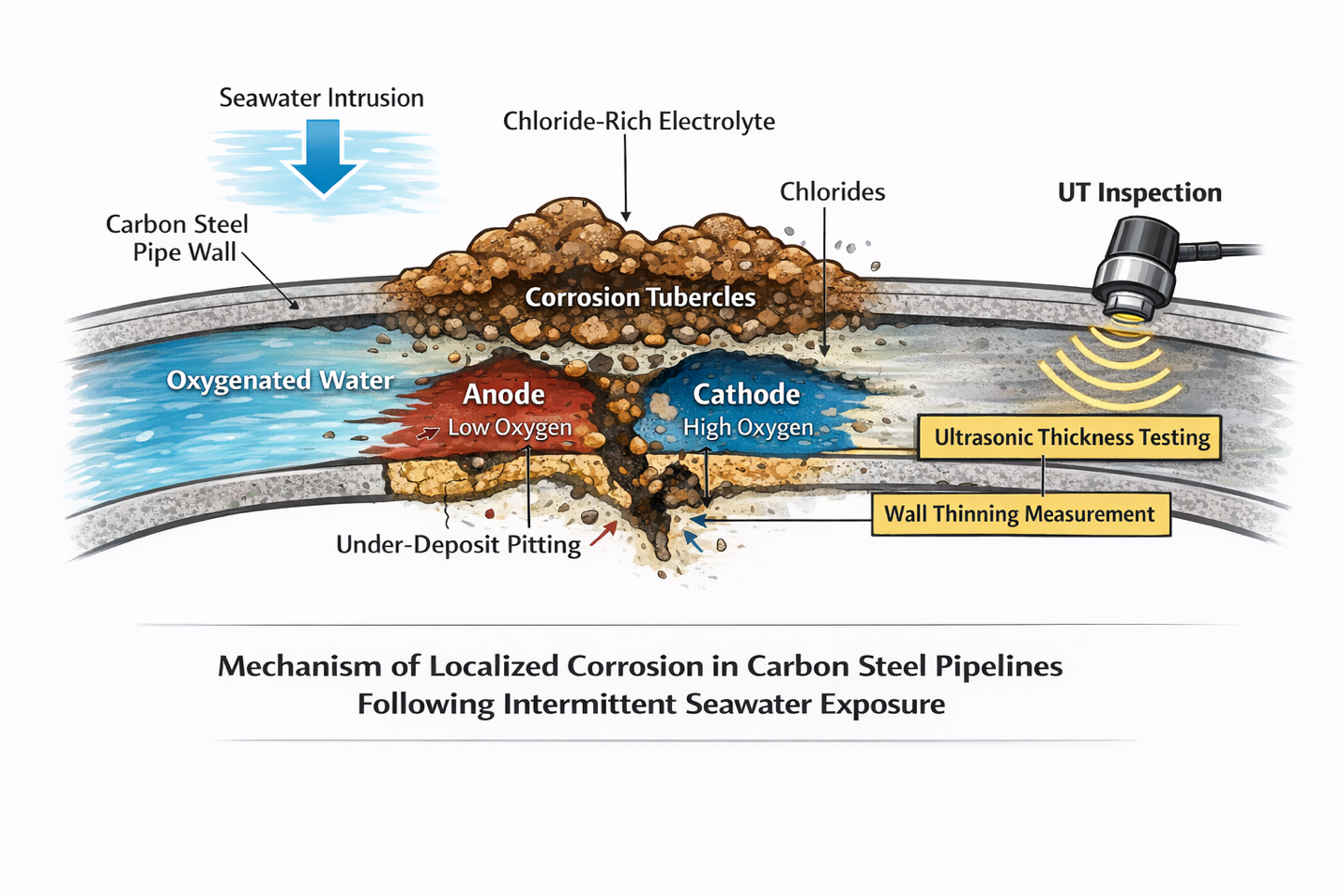
Figure 5. Simplified schematic illustrating localized corrosion development in a carbon steel pipeline exposed to intermittent seawater intrusion. Corrosion deposits create differential aeration conditions that promote under-deposit pitting, while ultrasonic thickness testing is used to detect localized wall thinning.
Integrity Management and Mitigation
Preventing recurrence of such corrosion requires both operational control and engineering improvements. The most important measure is ensuring proper segregation between fresh water and seawater systems to prevent unintended mixing. Isolation valves, bypass controls, and operating procedures should be designed to minimize the possibility of saline intrusion.
Where emergency seawater use cannot be avoided, the pipeline should be flushed with fresh water as soon as possible to remove chloride contamination and restore stable operating conditions. Design improvements may also help reduce corrosion risk. Minimizing dead legs, reducing stagnant zones, and improving hydraulic flow conditions can limit the formation of corrosion deposits.
In systems where intermittent exposure to saline water is unavoidable, internal protective linings may be considered to reduce direct contact between the steel surface and the corrosive environment.
Conclusion:
The case discussed in this article demonstrates how even short periods of seawater exposure can significantly influence corrosion behavior in carbon steel pipelines designed for fresh water service. Intermittent saline intrusion introduced chloride contamination that destabilized corrosion product films and promoted localized corrosion mechanisms including under-deposit pitting and differential aeration. Over time, these processes produced extensive tuberculation, severe flow restriction, and localized wall thinning concentrated in stagnation-prone areas. Such conditions present both hydraulic and structural risks to pipeline operation.
The findings emphasize the importance of integrating operational awareness, non-destructive inspection techniques, and risk-based integrity management practices to detect and control internal corrosion. By monitoring high-risk locations and responding promptly to environmental disturbances, operators can significantly reduce the likelihood of accelerated corrosion and extend the service life of pipeline systems.
References:
- AMPP ( NACE International). Corrosion Basics: An Introduction, 2nd Edition, Association for Materials Protection and Performance, Houston, USA.
- ISO 12944-Paints and varnishes - Corrosion protection of steel structures by protective paint systems, International Organization for Standardization, Geneva.
- NACE SP0775. Preparation, Installation, Analysis, and Interpretation of Corrosion Coupons in Oilfield Operations, NACE International.
- Revie, R. W. and Uhlig, H. H. Corrosion and Corrosion Control: An Introduction to Corrosion Science and Engineering, 4th Edition, Wiley-Interscience.
Author: Dr. Vijeesh Vijayan


There are no comments yet!