
Beyond the Inspection
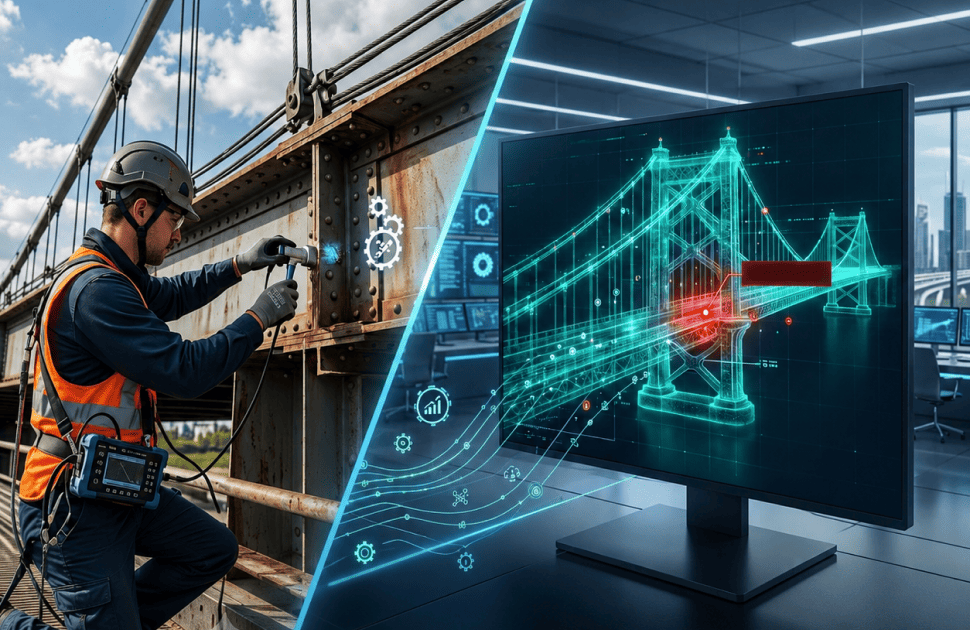
Periodic inspection has always been a core part of industrial asset management for decades, ensuring that equipment remains safe, compliant and operational. However, Non-Destructive Testing (NDT), routine maintenance and condition monitoring are still necessary to determine defects and asset integrity. Inspections alone are no longer enough, however, as critical infrastructure is expected to perform well outside of its design life. Gone are the days of organizations using a strategy that would only capture snapshots of an asset's condition, and now they need one that will preserve knowledge throughout the asset's journey of operation.
Oil and gas, power generation, manufacturing, transportation, and heavy engineering industries are experiencing greater demands to achieve a maximum asset availability, while maintaining control of maintenance expenditures. If 20-year life expectancy is the goal for equipment, it may need to perform at a high level for as long as 30 years. Wear and tear are inevitable as assets are used, and engineers need to know not just what their performance is in the current state, but how it has evolved and the implications for future performance.
This is creating the need for digital twin asset management, and the results of these inspections can be correlated with historic data, maintenance schedules, engineering changes and operation data to provide a comprehensive view of asset health. Organizations no longer view inspection as a one-off process, but as a data-rich, ongoing process that aids in the informed decision-making process needed throughout the digital twin lifecycle.
The challenge today is no longer inspection quality—modern NDT technologies have greatly improved defect detection. The true difficulty is sustaining an exhaustive knowledge of an asset over the course of decades of use, to ensure that every engineering decision is well informed by a knowledge of history.
The Cost of Fragmented Information
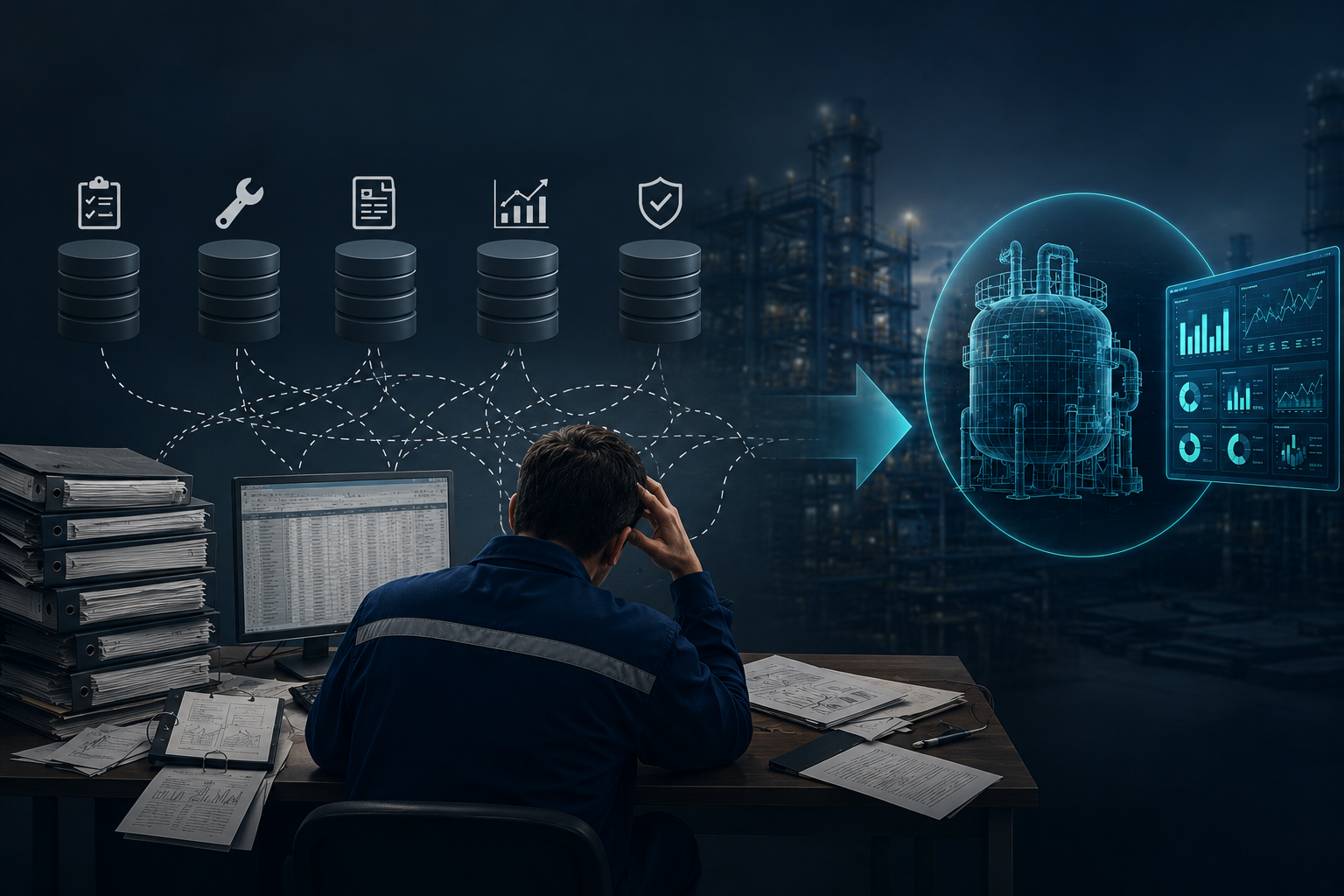
Many organizations already have a lot of data about their assets. Reports, records, drawings, parameters, history, and compliance are created and maintained on an ongoing basis. Unfortunately, this data is often stored in disparate systems across different departments, making it difficult to get a bird's eye view of the whole picture.
Imagine a pressure vessel that is checked periodically, say, every few years. Dozens of inspection reports, corrosion surveys, thickness measurements and repair records can be created during the service life. The result is that engineers have to spend a lot of time reconstructing asset history rather than analyzing degradation trends when these documents are not connected. Loss of key knowledge can also occur when key people leave an organization or retire.
There are multiple challenges with fragmented information:
- An increased challenge to compare historical inspection results.
- Decision based on reactive, not proactive maintenance.
- Slower engineering evaluations.
- Inefficient regulatory documentation.
- Rise in likelihood of not recognizing long-term degradation patterns.
These problems are even more important in places that have thousands of critical assets at multiple sites. Good decisions don't need more information, good decisions need connected information.
The trend has been particularly accelerated in the manufacturing industry where inspection, production, maintenance and engineering data is incorporated into a single environment or a digital twin. Similarly, companies adopting a digital twin in oil and gas will be leveraging decades of operations to enhance asset integrity, asset maintenance planning and engineering confidence.
Information that is connected turns otherwise unconnected records into organizational knowledge that forms the basis for smarter asset management.
Why Digital Twins Are a Strategic Investment
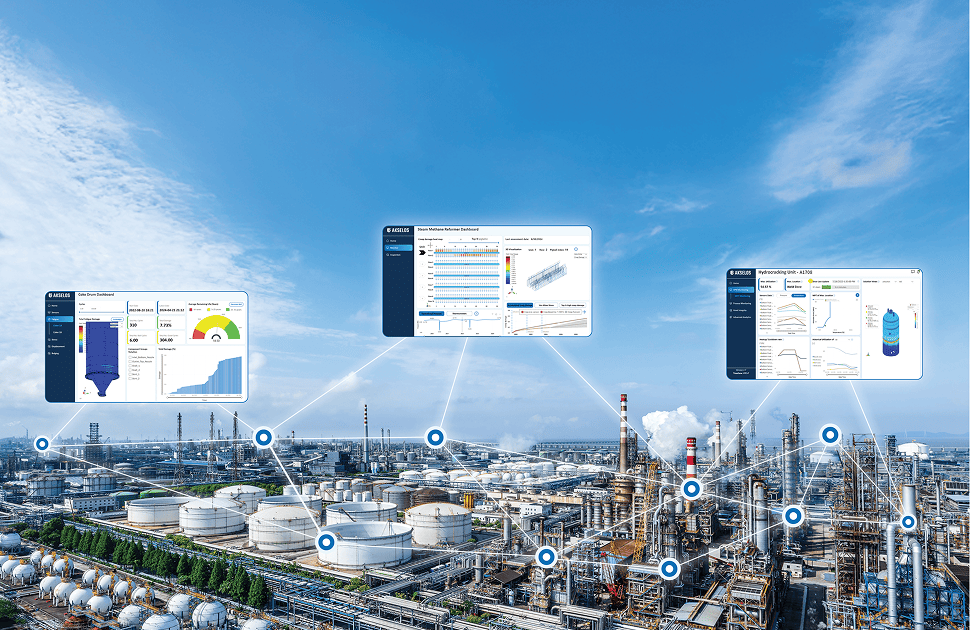
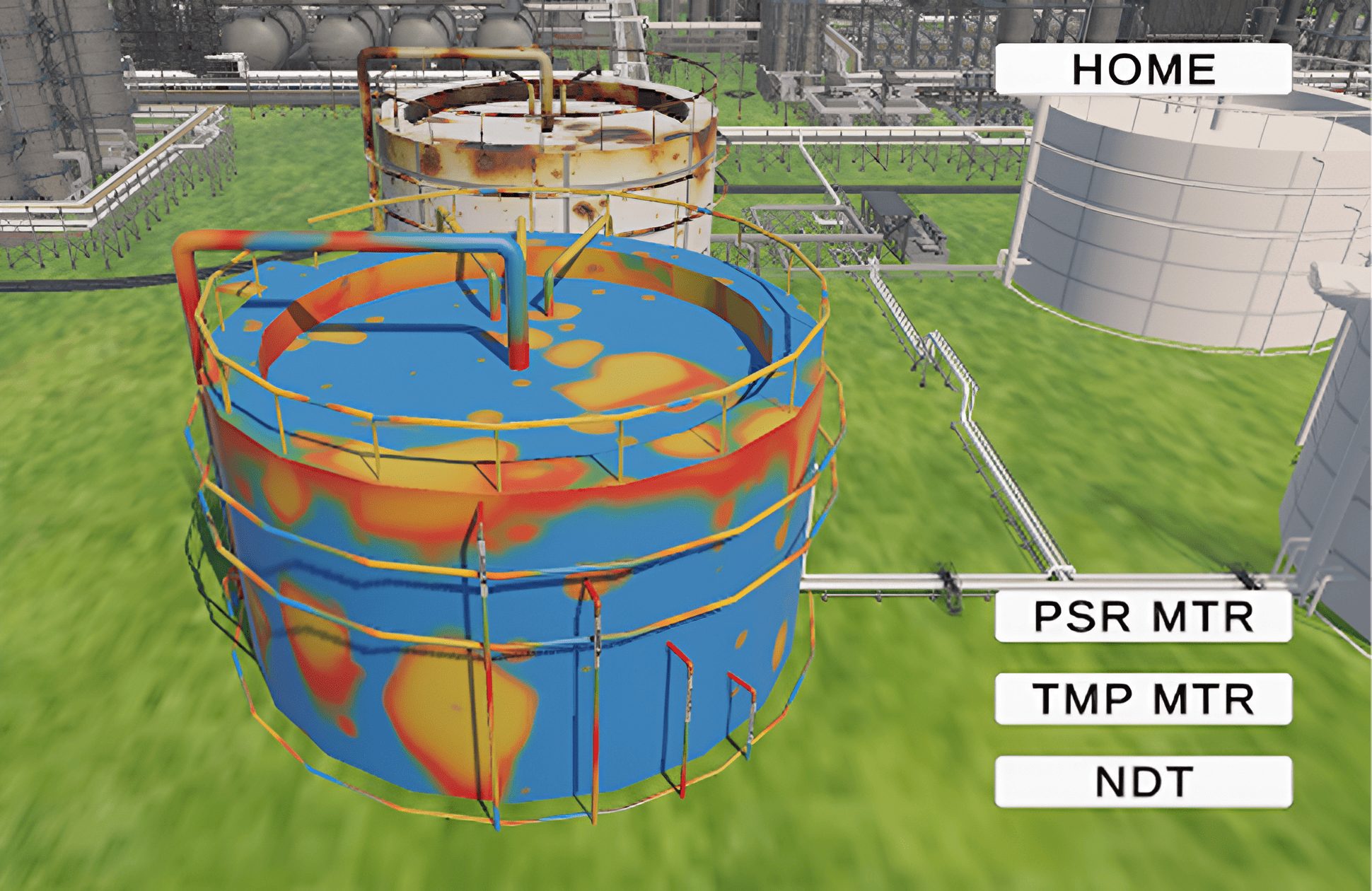
A Digital Twin is much more than a digital duplicate of a physical asset. It's a constantly evolving virtual representation that integrates engineering models, inspections, maintenance, operational conditions and sensor data into an "one source of truth".
A Digital Twin is unlike traditional databases that just store documents, it is constantly evolving throughout an asset's operational life. Each inspection, repair or change in operation modifies the model which enables engineers to gain a more complete understanding of asset performance and integrity.
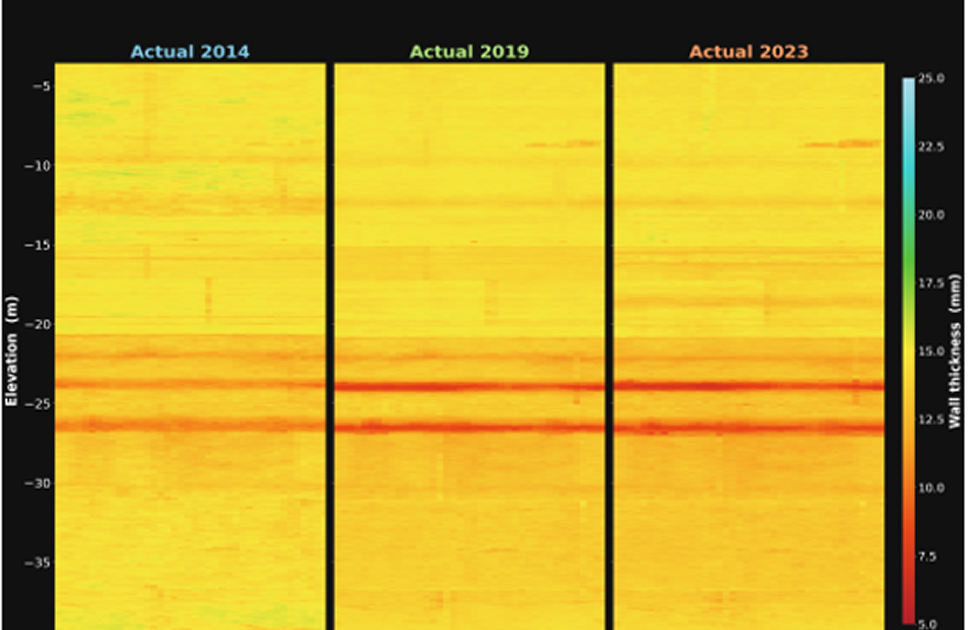
Unlike the current method of analyzing data from a single report, this integrated digital twin asset management enables engineers to study corrosion trends, repair history, operating conditions and inspection data in an integrated way. It helps to handle the whole digital twin lifecycle and ensures transfer of valuable knowledge from design and commissioning stage to its operation, maintenance, upgrade and decommission.
Digital Twins also allow for more proactive maintenance. When combined with historical degradation, the operational data can help predict equipment problems ahead of failure. A digital twin for predictive maintenance becomes a viable choice to mitigate operational risk, optimize maintenance plans and minimize downtime.
In essence, a Digital Twin isn't just another software platform; it's an investment in a long-term solution to get more than just a documented asset condition, it's getting to know asset performance.
Creating Long-Term Business Value
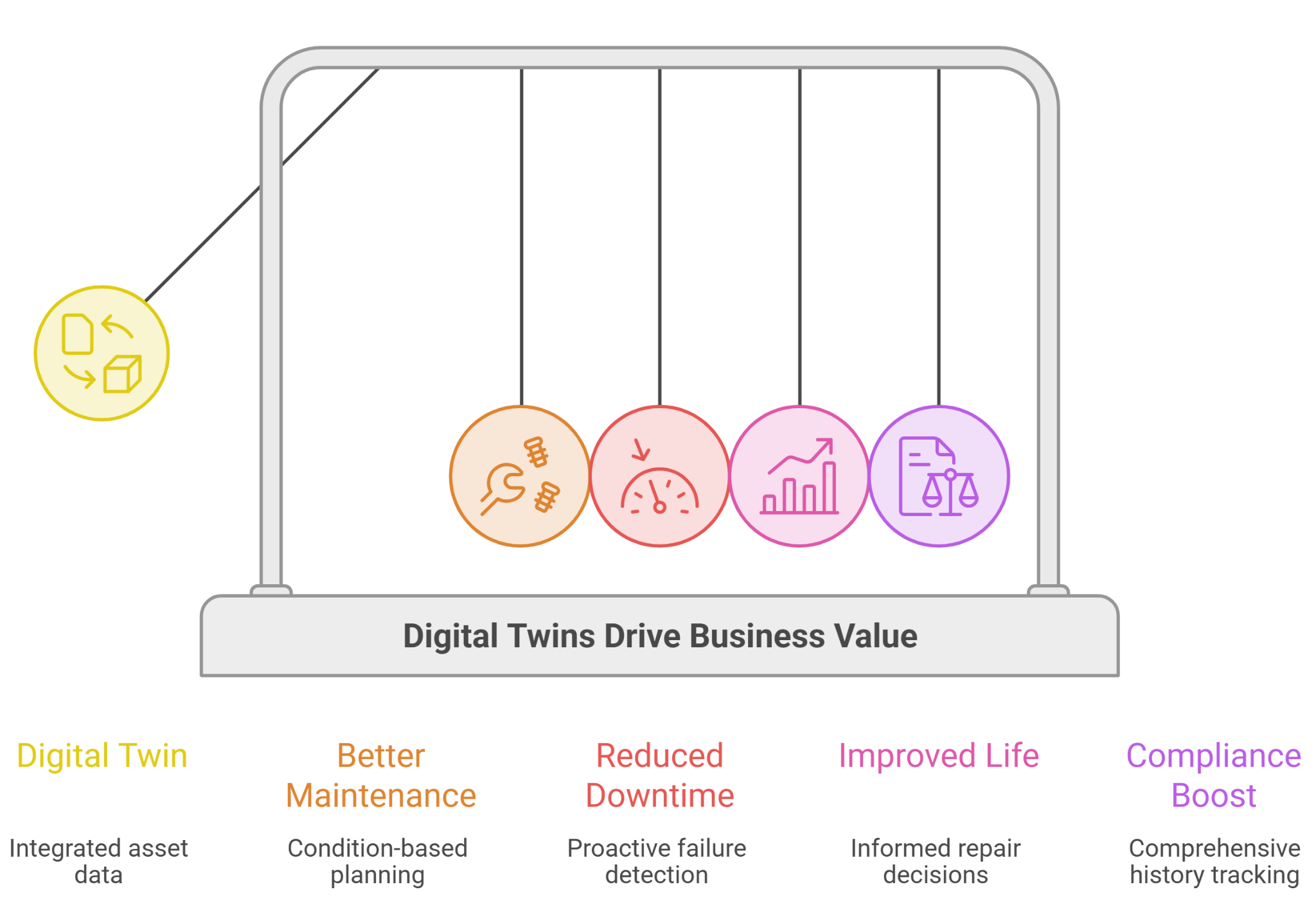
The benefits of Digital Twins go beyond technology and encompass better business performance, better engineering decisions and increased operational reliability.
The best thing about it is that one of the greatest advantages is better maintenance planning. Inspection, engineering, and operational data can all be integrated into a single environment, allowing organizations to make maintenance decisions based on the real condition of the asset, rather than a maintenance schedule. This optimises the use of resources and minimizes unnecessary maintenance activities.
Digital Twins also can help reduce unplanned downtime by detecting trends of degradation prior to failure. This allows maintenance activities to be planned for when the plant is shut down, which will minimize any operational disruption.
Another significant benefit is that of improved asset life management. All of the inspection, repair, modification and operation events build up a knowledge bank that helps to inform decisions on repair, replacement and life extension strategies. Engineers also have access to full asset histories which allows for more rapid fitness-for-service assessments and efficient planning.
On top of that, Digital Twins improve regulatory compliance by providing a comprehensive and traceable history of inspections, maintenance work, and engineering decisions, making audits and documentation easy.
Manufacturing companies are leveraging digital twin to increase equipment reliability and boost production efficiency, while oil and gas companies are using it for integrity management of critical infrastructure.
In the end, it's about making better decisions over and over again. The advantages in terms of operational and financial savings due to reduced downtime, optimized maintenance, improved resource allocation and extended asset life are measurable and make the investment worthwhile.
Building the Right Foundation
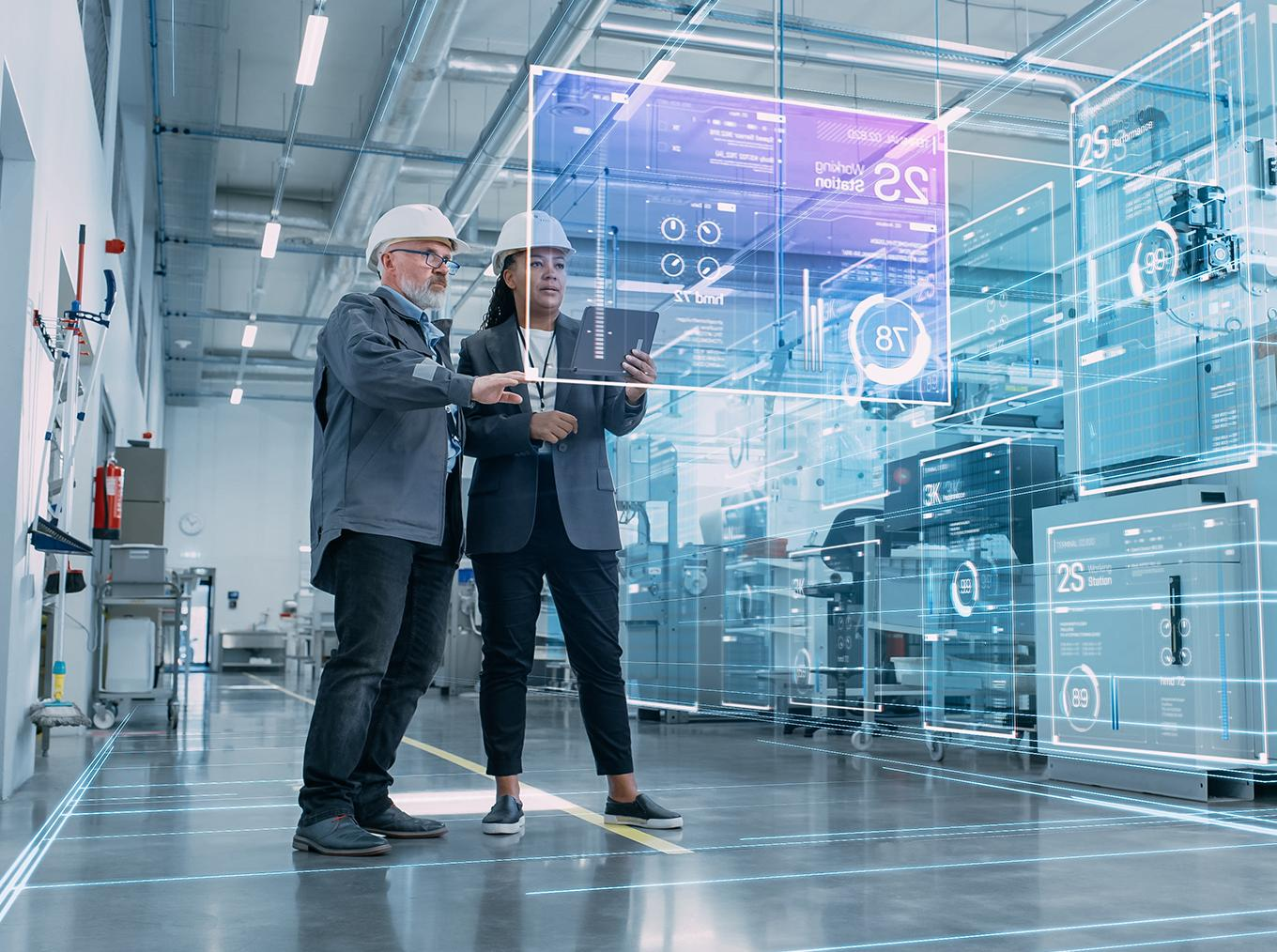
While Digital Twins provide great potential, technology is not the only factor that will drive success. They are worth only as much as the information and processes they are based on.
A solid digital twin asset management system starts with high-quality inspection data. NDT inspections, condition monitoring and integrity assessments can deliver the correct information necessary to accurately represent an asset's condition. Inadequate or inconsistent data decreases the accuracy and usefulness of the Digital Twin.
It's also crucial to have consistent data management across the digital twin lifecycle. Inspection records, engineering works, maintenance actions and operational information should be standardized and compiled into a central system where information is accurate and readily available to aid decision making.
It is also important to have good engineering processes and collaboration. A Digital Twin should be used to assist with activities like fitness-for-service, risk based inspection planning, maintenance optimization and allow inspection, maintenance, operations and engineering teams to collaborate from the same source of truth. This new collaborative model has proven to be beneficial for organizations implementing digital manufacturing and digital oil & gas, by enhancing efficiency, compliance, and long-term asset reliability.
A Digital Twin is only as useful as the knowledge, engineering and quality of the information that goes into it. Only those companies who make these kinds of investments in addition to technology will see much greater long-term gains.
Conclusion
A Digital Twin is not just a digital technology – it is an investment in knowledge of the asset. Organizations can gain a better understanding of asset performance over the digital twin life cycle by integrating inspection data, engineering records, maintenance history, and operational information. The most important value is to make smarter decisions, mitigate risk and prolong the useful life of critical infrastructure in the cases of digital twins for predictive maintenance, in manufacturing or in oil and gas operations. Today's investments in connected asset intelligence will pay off for organizations tomorrow when facing operational challenges.
There are no comments yet!