
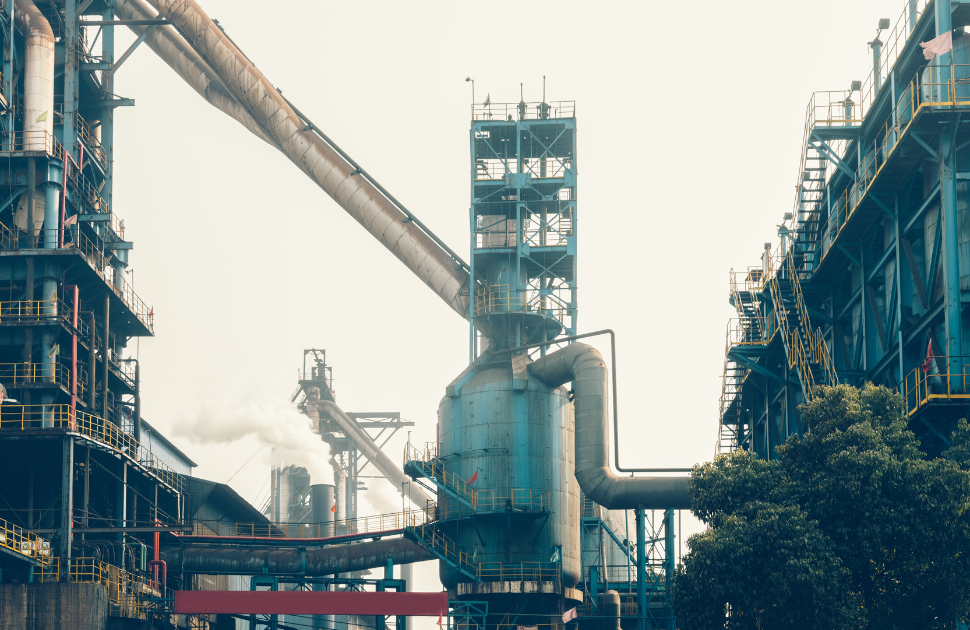
The Oil and Gas industry is undergoing a profound transformation as digital technologies reshape how operations are managed and how asset integrity is preserved. At the core of this evolution is Non-Destructive Testing (NDT), which is advancing from traditional manual inspections to digital, connected, and automated systems. This shift is driving significant improvements in how asset integrity is maintained, enabling safer, more efficient, and more reliable operations across upstream, midstream, and downstream sectors.
Asset integrity has always been fundamental to operational safety, environmental protection, and long-term reliability. Conventional NDT methods such as manual ultrasonic testing, radiography, and magnetic particle inspection have supported the inspection of pipelines, pressure vessels, offshore structures, and production facilities for decades. However, as operational complexities have increased, regulations have become stricter, infrastructure has aged, and environmental scrutiny has intensified, the limitations of traditional approaches have become evident. Inspections performed at fixed intervals, often requiring shutdowns and reliant on human interpretation, delay the detection of early defects or degradation, increasing the risk of costly failures and unplanned downtime.
Digital transformation is addressing these long-standing challenges by modernizing inspection technologies, integrating data systems, and enabling more intelligent, predictive asset management. A defining feature of this transformation is the growing use of advanced NDT tools such as robotics, drones, and online monitoring sensors. These innovations have redefined what is possible in terms of access, inspection speed, accuracy, and safety. Robotic crawlers equipped with ultrasonic and electromagnetic testing systems can perform detailed internal and external inspections of tanks, vessels, and pipelines without requiring confined space entries or halts in production. Drones fitted with high-resolution cameras, thermal imaging, and LIDAR sensors provide rapid visual and thermal inspections of flare stacks, pipelines, offshore platforms, and other inaccessible areas, significantly reducing the risk to personnel and minimizing operational disruption.

Alongside these, online monitoring sensors play a pivotal role in enabling real-time, continuous inspection. These sensors, installed permanently or semi-permanently on critical assets, provide operators with constant feedback on parameters such as corrosion rates, wall thickness, pressure fluctuations, and temperature profiles. The data they generate feeds directly into cloud-based platforms and digital twins, allowing for instant analysis and remote oversight. This capability has moved asset integrity management from periodic snapshots to a continuous, always-on discipline, where potential issues are identified and addressed before they escalate.
Beyond the tools themselves, digital transformation involves integrating inspection data with advanced analytics, artificial intelligence, and cloud platforms. This integration transforms static inspection programs into dynamic, data-driven integrity systems. Operators can now monitor assets in real time, detect early signs of degradation, forecast future performance, and prioritize maintenance based on asset condition rather than fixed schedules. This predictive, risk-based approach ensures that resources are directed where they are needed most, extending asset life, improving safety margins, and reducing overall inspection and maintenance costs.
The strategic benefits of advancing digital NDT are numerous. Improved inspection accuracy through advanced imaging and AI-powered defect detection reduces the potential for human error and missed indications. Data collected by drones, robotics, and sensors is processed faster, providing near-instant actionable insights. Predictive maintenance becomes achievable, driven by AI models trained on historical and real-time data. Digital records, securely stored in cloud-based systems, simplify regulatory compliance, support auditing processes, and provide a traceable history of asset condition and integrity interventions.
Operational safety and continuity are equally enhanced. The ability to conduct inspections using remotely operated vehicles, drones, and autonomous crawlers reduces the need for manual, high-risk procedures such as confined-space entries, work at height, and shutdown-dependent evaluations. Online monitoring sensors remove the reliance on manual readings in hazardous areas, while robotics eliminate the need for scaffolding and other temporary access structures, reducing operational hazards and downtime. As oil and gas operations grow more complex, especially in remote or offshore locations, these technologies deliver clear safety, operational, and economic benefits.
Collaboration and decision-making also benefit from digital transformation. Cloud-based platforms allow inspection teams, engineers, integrity managers, and corporate stakeholders to access inspection data, reports, and real-time asset condition dashboards from any location. This connected approach improves communication, speeds up decision-making, and ensures that asset health issues are identified and addressed quickly and consistently across geographically dispersed operations.
As digitalization progresses, asset integrity management is evolving into a continuous, data-driven discipline. The combination of digital twins, IoT sensors, AI analytics, and advanced robotics enables operators to build and maintain real-time models of asset condition. These digital environments provide early warnings of potential defects, predict degradation rates, and simulate asset behavior under different operating scenarios. By doing so, companies can optimize maintenance intervals, plan more effectively for shutdowns, extend the service life of critical infrastructure, and ensure compliance with increasingly rigorous industry regulations.
A notable development within this landscape is the industry’s adoption of what is now referred to as NDT 4.0. This concept marks the convergence of Industry 4.0 technologies such as big data, IoT, AI, robotics, and cloud computing with advanced NDT practices. It represents a step-change in the way inspection data is collected, analyzed, and applied to asset integrity management. NDT 4.0 enables superior defect detection through automated imaging systems, real-time data processing via AI algorithms, enhanced safety by performing remote inspections, and reduced downtime through non-intrusive online monitoring systems. The predictive capabilities it offers allow maintenance activities to be prioritized based on actual asset condition, rather than conservative scheduling or reactive interventions following failures.
Digital transformation in NDT is no longer a future concept. It is a present reality, actively advancing asset integrity in oil and gas around the world. Companies investing in these technologies and embedding data-centric integrity programs into their operations are already seeing tangible benefits, from improved inspection performance to reduced operational risks and extended asset life. These operators are also better positioned to navigate the energy sector’s evolving regulatory landscape and meet growing stakeholder expectations around safety, environmental responsibility, and operational efficiency.
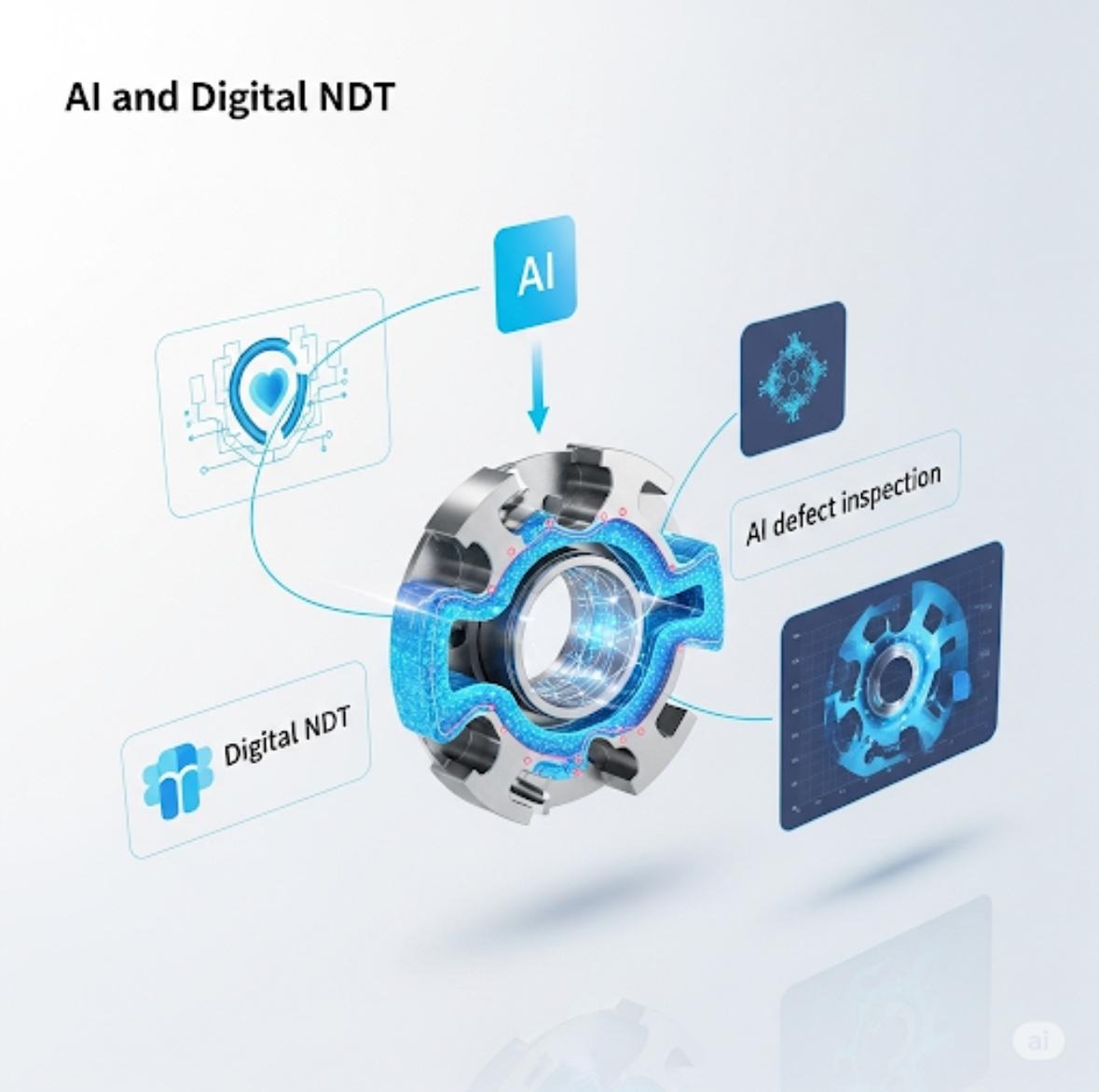
What makes digital NDT especially powerful is its ability to turn disconnected, raw inspection data into meaningful, actionable insights. AI-driven defect recognition, coupled with real-time monitoring from sensors and drones, empowers asset owners to move from reactive decisions to proactive, predictive maintenance strategies. This transition enhances operational safety and reliability while lowering total lifecycle costs. It also enables companies to demonstrate robust, data-backed integrity management programs to regulators and clients, an increasingly critical requirement in today’s highly scrutinized oil and gas industry.
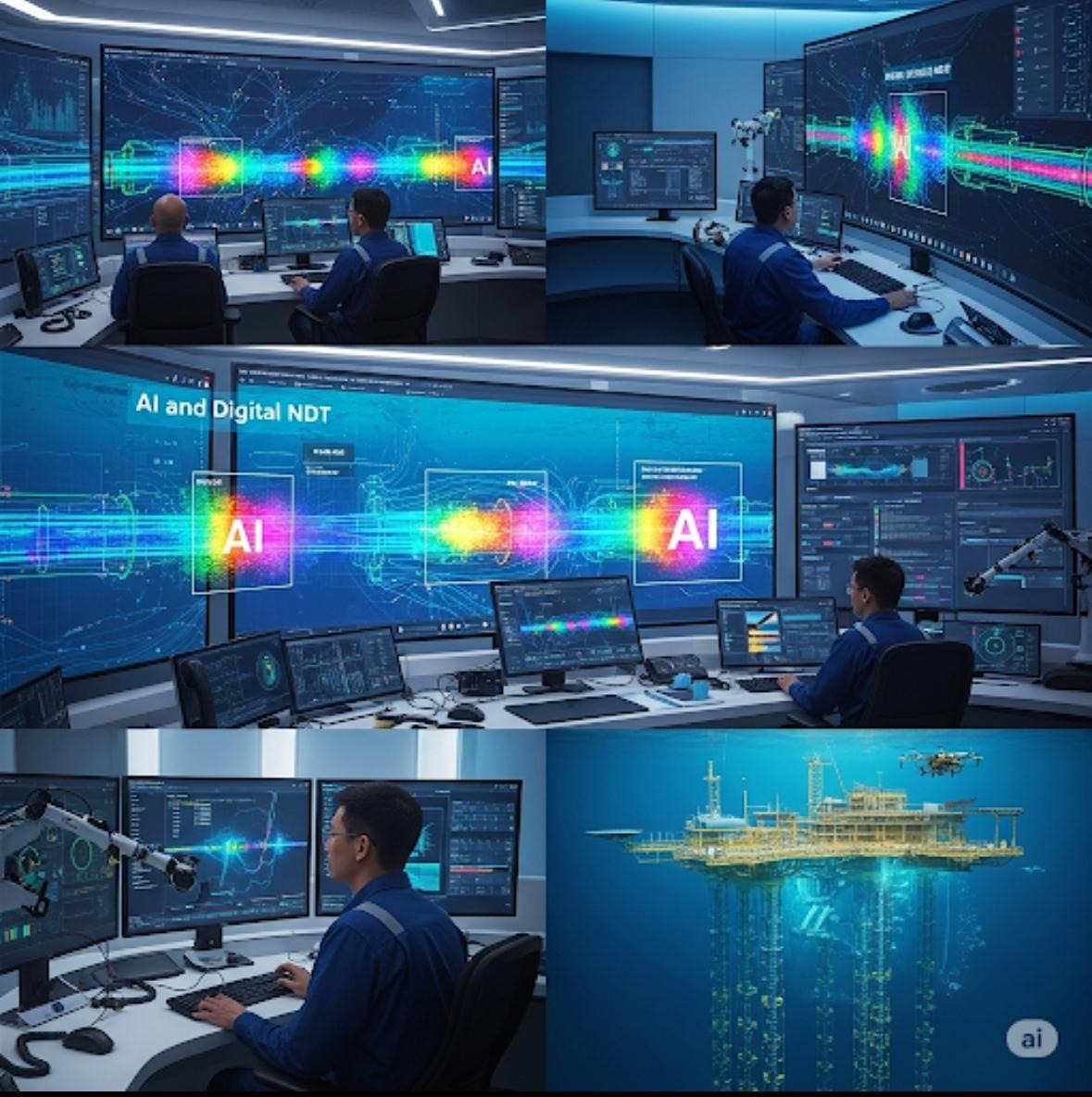
Looking forward, the future belongs to AI-driven asset integrity ecosystems. Digital twins, integrated analytics, robotics, and real-time data streams will allow organizations to simulate asset performance, detect emerging issues earlier, and optimize maintenance strategies proactively. This is more than adopting new tools; it represents a decisive shift in leadership mindset. Organizations that embrace advanced digital NDT technologies today — especially robotics, drones, and online monitoring sensors — will set new benchmarks for operational safety, asset reliability, and competitive advantage in tomorrow’s oil and gas industry. Those who hesitate risk falling behind as the industry redefines its expectations for operational excellence in a digital age.
Author: Mohammed Abufour


There are no comments yet!